There’s no business quite like the business of luxury. It’s not just the glamor, or the rarified service levels, it’s also the unique psychology of the customer-brand relationship and the influence this has on brand strategy.
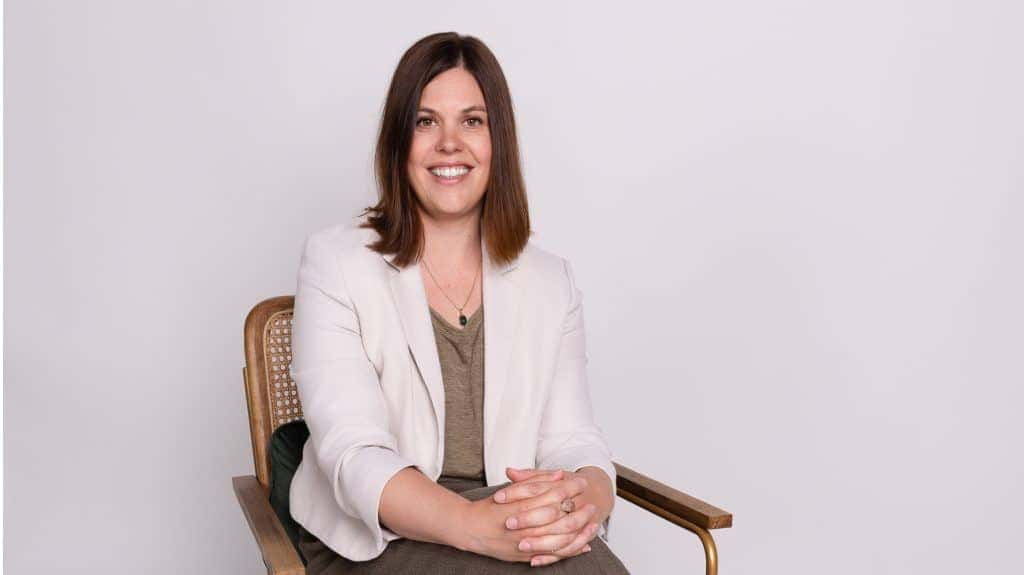
All these nuances – and more – are laid out before Glion students who choose the Luxury Brand Strategy specialization for the final academic semester of their Bachelor’s in International Hospitality Business. A few months ago, this perennially popular specialization option received a new leading light in the form of Mikèle Landry. As is the way with The Insider, we were curious to discover more about this recent recruit to our senior faculty team.
“I’ve always been fascinated by the level of service excellence demanded within the luxury sector,” she explains. “It stems from my time working in hospitality at an operational level, where I saw the impact of delivering the ultimate level of customer satisfaction, and how this helps fulfil the brand promise that’s inherent to the luxury segment.
“It’s this customer-oriented vision which I try to bring to the curriculum and teaching of the Luxury Brand Strategy specialization. We really dig deep into who the customers are, going beyond the classical segmentation models such as demographic, geographic and others. Then we look at the value which is created through the various interactions between brands and their customers.”
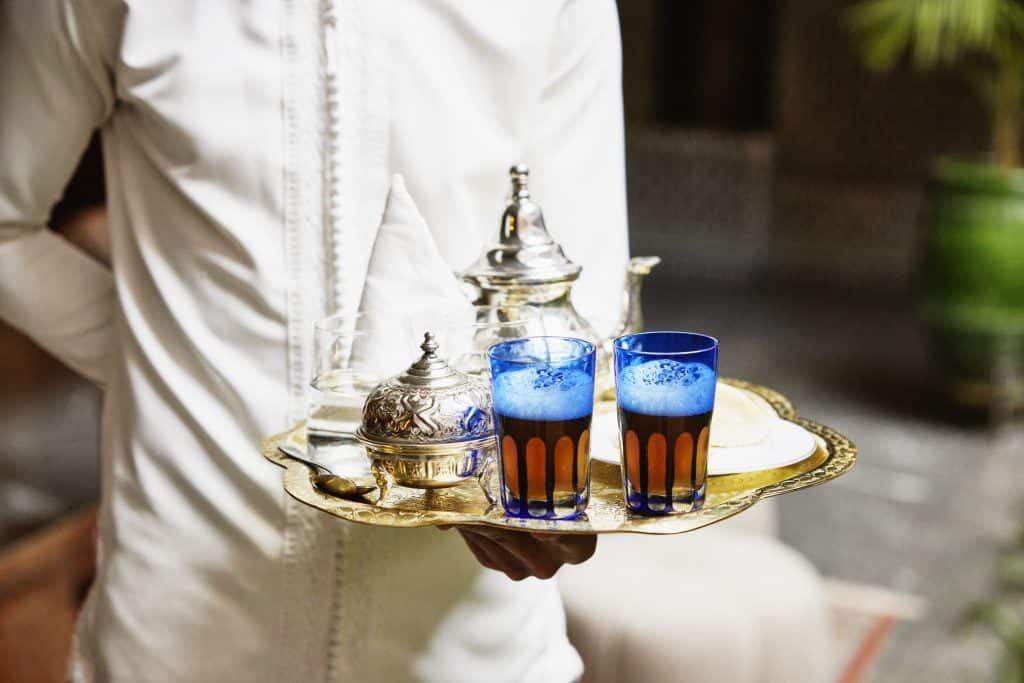
The psychology of luxury and the conscious – sometimes unconscious – reactions of customers is another topic the students of the specialization get to explore. And here Mikèle draws upon the support of another recent academic hire to Glion, Dr. Evrim De Groot.
“We both have a background in marketing, but Evrim also brings this psychological dimension through her consumer-focused research and her PhD studies. Between us we challenge the students to look beyond luxury as a status symbol and to explore the other dimensions of value that are based around human connections and relationships.”
Mikèle’s own PhD studies, at the University of Fribourg, are nearing their conclusion. Her work is focused on value co-creation frameworks across the broader ecosystem of services, with a particular focus on wellbeing.
“Here I’m not referring to ‘wellbeing’ in the sense of physical wellness; it’s more around the impacts of service interactions on areas such as psychological wellbeing, self-accomplishments, plus the wellbeing of the wider community. My research embraces not just hospitality but also other sectors where there are high levels of service interactions.”
Turbulent times
Provoking plenty of interest from an academic and research standpoint, the past year has seen the luxury sector experience a relatively rare phenomenon: market – and organizational – turbulence.
“There certainly has been some impact at an organizational level, with quite a few changes in senior leadership teams. That’s included bringing in expertise from other business sectors,” Mikèle notes. “I’m curious to see how this will play out for the brands that have gone down this pathway. At the same time, market turbulence isn’t affecting all parts of the industry: the ultra-luxe segment is still performing very strongly, plus we’ve also seen continued growth in high-end hospitality.
“In fashion and accessories, the brands which have been less impacted have tended to be those which are confident in their positioning and pathway – Hermès being a good example. And that’s an important message I try to get across to my students: that in luxury it’s not always about following popular trends; it’s about having a more strategic approach and always trying to ensure that decisions are informed by the brand’s consistency and authenticity.”
Spot the difference
Another important class for students – and one that occurs quite early in the specialization – ensures they understand the difference between brand identity and brand image; at the same time developing an appreciation of why the two should be aligned.
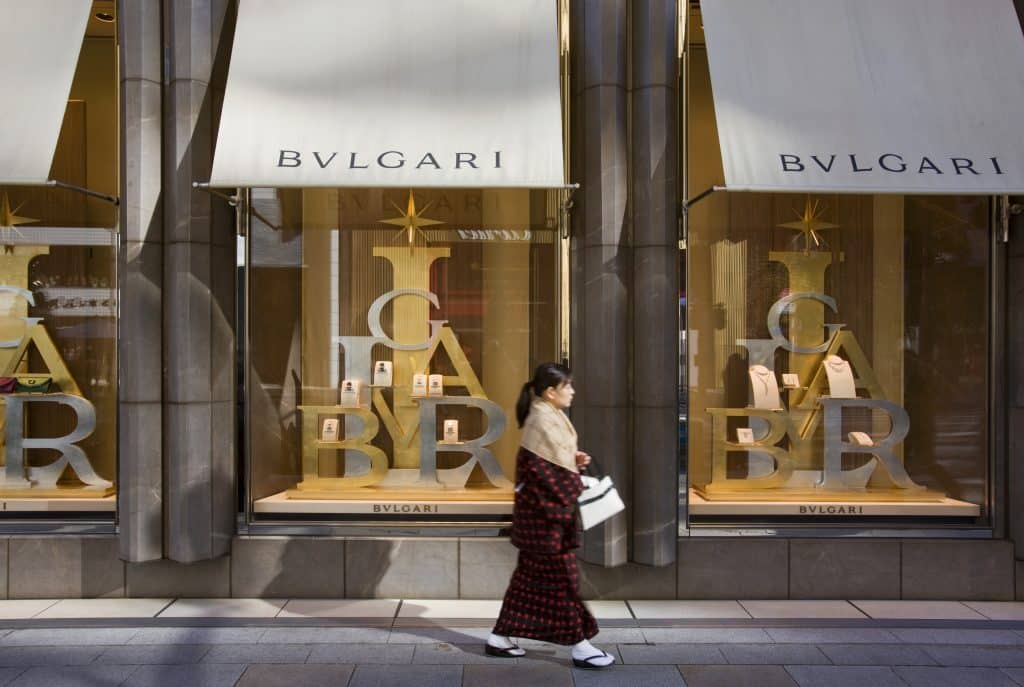
“We begin by explaining brand identity and how this concerns elements like logo and messaging that the brand transmits to the consumer. Then we contrast this with brand image, which relates to how consumers perceive a brand. There should be alignment between these two elements, but often we see discrepancies between them. It’s useful to explore these differences because very often they can enable a brand to understand more about where the market is going, as well as helping to uncover structural issues that need to be addressed.”
Their generation
As representatives of Gen Z, the current crop of Glion Bachelor students personify another big talking point for the luxury sector: generational change.

“Luxury brands are undoubtedly interacting more with the younger generation of consumers, adapting to the fact that Gen Zs typically come to that relationship more informed than any previous generations, due to the prevalence of online communication and social media. They know about the brand, they know what the brand is doing, and they have conversations about the brand to which the brand itself is not necessarily invited.
“There’s also this notion of seeking a higher purpose which we often associate with millennials and Gen Zs. That’s a really interesting topic to explore, because what exactly is this higher purpose? We can link it to sustainability perhaps; but I feel we have a genuine research opportunity to delve deeper into what the consumer really wants from their brand interactions. This takes us into the realms of storytelling and how to put across a brand’s values in a compelling manner.”
Embracing contemporary luxury
If you follow Glion, you will have spotted a recent communication relating to the school’s embrace of contemporary luxury as both an educational ethos and a mode of behavior on and off campus.
As the custodian of the luxury-focused specialization, what is Mikèle’s take on contemporary luxury?
“It’s a very interesting question, and one that will definitely become a discussion point in the specialization, given the different ways such a concept can be interpreted and understood,” she says. “Luxury is not something that you can just put in a specific box – we can use criteria to help us define and frame when we are experiencing true luxury, and when we are not. But these criteria may be evolving to reflect new aspects of contemporary luxury, and that would be interesting to observe.
“As the business of luxury evolves, the eternal values of craftsmanship, expertise and savoir-faire should never be sacrificed in favor of short-term gain from pursuing trends. At Glion, we give our students the skills and knowledge that will help them to be agile in the way they manage and develop brands, adapting to the changing needs and behaviors of consumers but at the same time making responsible choices which are aligned to the consistency of the brand. We mustn’t forget that these core brand values have often been built up over decades and sometimes centuries.”
The research imperative
Aside from her obvious suitability to lead this specialization, Mikèle also represents an important hire with regard to academic research – a field in which we are making serious moves right now, having launched the Glion Research & Innovation Center (GRIC) last year.

In addition to the aforementioned Dr. Evrim De Groot, our research capability has also been augmented recently by the recruitment of Dr. Alessio Delpero, another star contributor to this issue of The Insider.
“What I love about applied research is that we can start from a problem or challenge observed in the real world, either on the business side or the consumer side, and build from there. As we grow our understanding of the problem and consider potential solutions, it gives us this wonderful opportunity to disseminate that knowledge through our teaching in class and to interact with the businesses directly impacted to get their perspective.
“As a researcher, I am personally fascinated by the notion of ethics and what it means to be an ethical brand in luxury; also what consumers expect from an ethical brand. It comes back to that sense of higher purpose I mentioned earlier, and I’m really looking forward to exploring this topic more within my research activities at Glion.”
Luxury: the future
For her final question, The Insider put Mikèle on the spot, with a demand to predict the future – and more precisely how she thinks the luxury sector will look five-to-ten years from now.
“Coming back to this notion of consistency, I’m sure that the brands on top today who are still on top in 2035 are going to be the ones who’ve mastered that consistent, authentic approach. But at the same time, brands will have to understand how to incorporate innovation – and here I’m thinking about AI notably – in a relevant way that supports this consistency and authenticity.
“The brands on top will also be those who are able to actively participate in this kind of broader cultural movement we see happening; trying to find a way to contribute to that instead of just being a follower. Luxury brands face the challenge to predict which markets are going to prevail, or which new markets are going to emerge from cultural shifts or technological advancements.
“Moreover, the ways brands communicate and serve customers are constantly evolving. It may well be possible for brands to reach different consumer segments with which they’ve not previously been involved – and that would certainly be interesting to see.
“Ultimately, though, I would say that long-term success is a matter of making sure your strategic choices work with both the brand DNA and core audiences, and that comes from talking with them and understanding what makes sense for them. Sometimes surprises are a good thing, but sometimes listening is also good.”
Photo credits
Thomas Barwick/Getty (tea tray)
Bulgari storefront: B.S.P.I./Getty
Gen Z: Alena Frolova/Getty