Put some food out for wild birds like blue tits and you’ll quickly discover the dominant creatures which see off others to enjoy the largest share. On another level, chimpanzees and other primates determine hierarchical status through physical confrontation, winner takes all.
Humans, as the most complex animals of all, are unique in having evolved prestige-based hierarchies, where status is bestowed on those who possess skills, knowledge or competencies which are deemed useful – or even essential – to sustaining a healthy society1. This has been true from the skilled hunters of prehistoric times to the medical doctors of today.
Where humans also differ from the animal kingdom is in the way our social hierarchies are constantly evolving and multiplying, offering almost all of us some potential to acquire status in a particular domain.
As an academic specializing in status signals and luxury consumer behavior, Dr. Evrim De Groot finds this an ever-fascinating topic to explore; both through her own research and when teaching Glion Bachelor students who opt for the Luxury Brand Strategy specialization. For our students this represents a highly appropriate subject matter, given the innate connection between the luxury sector and the notion of social status.
“Status is a universal human drive, as it is throughout the animal kingdom,” Evrim explains. “And that’s because high status brings out survival benefits. At a fundamental level, individuals with higher social status have more friends, they deter their competitors more easily, they have greater access to potential mates, and so on.”
Times are a-changing
Revisit luxury-related advertising from the last century and you’ll find these kinds of status signals front and center in the messaging. Less so today.
“You cannot separate luxury from the concept of status, but the way this manifests itself has changed quite significantly over the last decades,” Evrim notes.
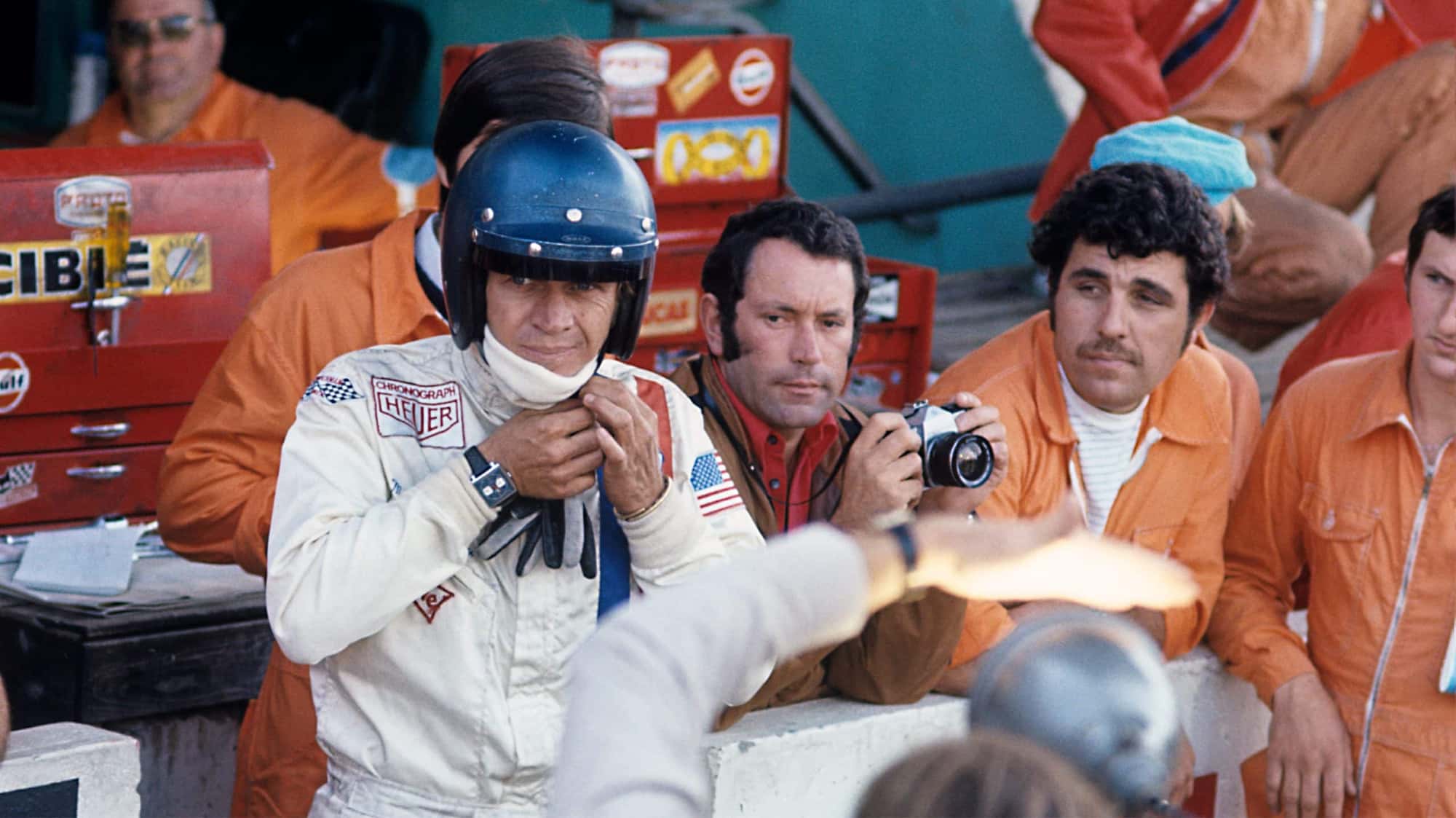
“Where in the past superficial cues – like the watch you wear or the car you drive – provided clear indicators of social status, today that picture is much more complex. Large price tags and conspicuous logos may no longer be as sufficient as they once were. Consumers increasingly seek alternative ways of signaling social status, one of which can involve expressing moral commitments. A widely cited article2, for instance, has examined environmentally conscious consumption practices as being motivated, at least in part, by status considerations.”
Evrim adds that this evolution has been partly driven by the ‘democratization’ of luxury, whereby brands in search of growth have devolved from their traditional ultra-wealthy clientele into the upper middle-class demographic.
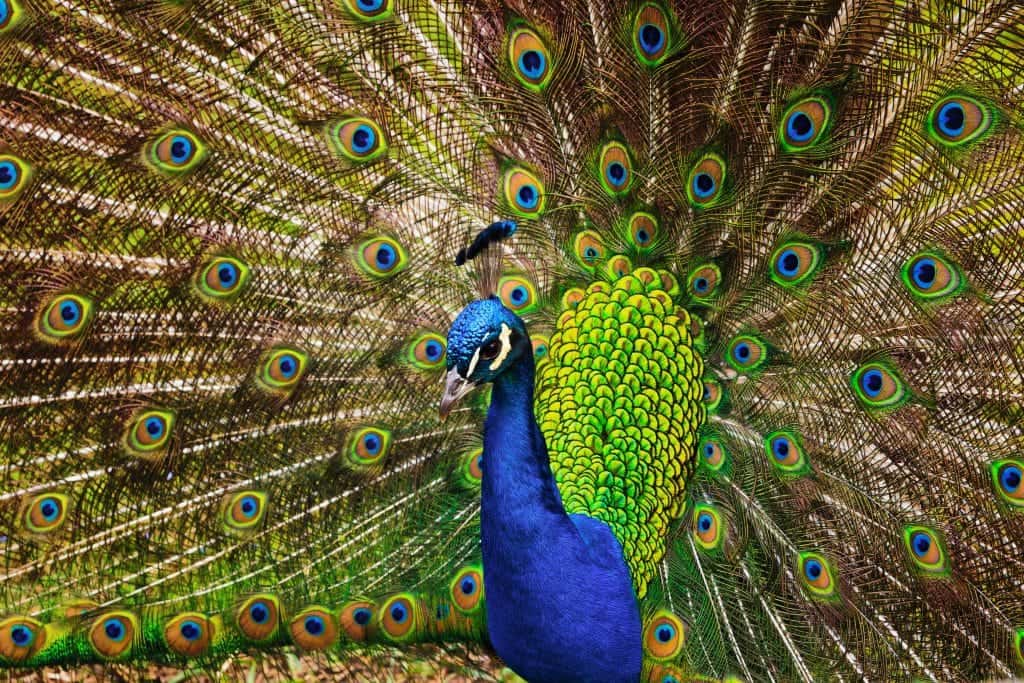
“Here we can apply the theory of ‘costly signaling’ and how this contributes to social status. For an example in nature, think about the male peacock, with its highly ornate tail feathers. These have no practical function; on the contrary, they are a handicap because they make the bird less able to escape from predators. Yet it is precisely this cost imposed by the tail that makes it an effective signal, as it communicates to potential mates that the peacock is strong enough to survive despite the burden of the tail itself.
“Now if I come back to what I’d call the ‘mainstream’ luxury products, of course these by their nature are still not universally accessible. But within an economically developed society it is possible to acquire them – it’s just a matter of priorities. Buy pre-owned, buy on credit, or go without something else to get that bag you’ve always wanted. This dilutes the costly signaling element.”
Mixed signals
Some wealthy, high-status consumers have responded to the middle-class ‘incursion’ by breaking established social norms and etiquette in ways that few others would attempt. In academia this phenomenon has a name, the ‘Red Sneakers Effect’.
“In one study3, employees in luxury boutiques were asked to estimate how likely a client was to make a purchase and to be a celebrity. Interestingly, clients who entered wearing causal outfits, such as gym clothes and a Swatch watch, were rated as higher in status than those wearing luxury items, such as an elegant dress and a Rolex. The interpretation is that individuals dressed casually are perceived as autonomous enough not to care about conventional displays of status,” Evrim notes.
High-status consumers may even go a step further by adopting items associated with lower-status groups, secure in the knowledge that middle-class consumers are unlikely to take such risks. As such, research suggests that status signals do not only trickle down from elites to lower groups, but may also originate in lower-status groups and move directly to the upper class before diffusing to the middle class4.
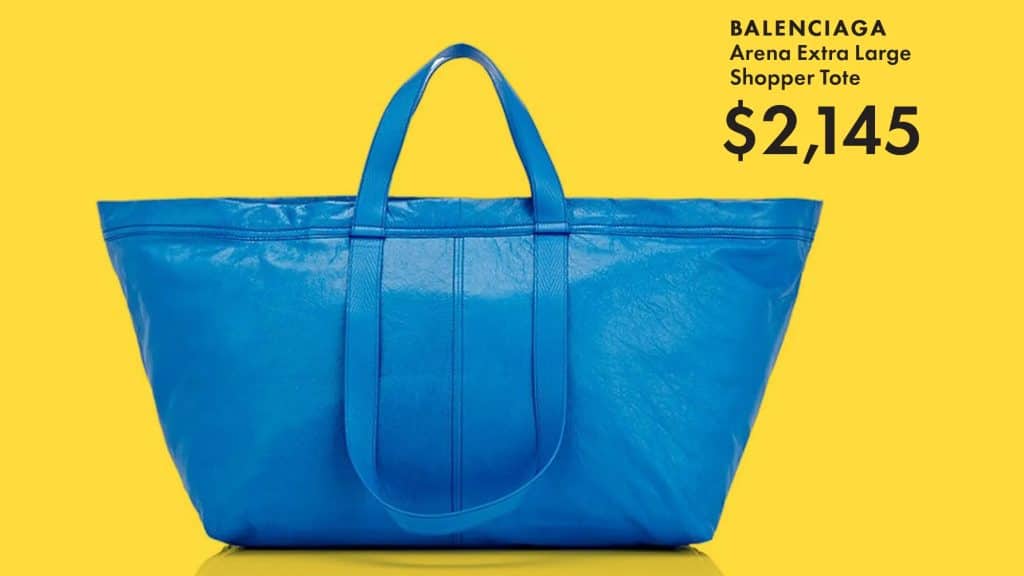
For a real-world example, consider the luxury bag created by Balenciaga which resembled a humble, everyday IKEA shopping bag, albeit at a price tag a couple of thousand dollars higher.
“By carrying that bag, you are signaling that you can afford the social risk of adopting lower-class aesthetics – that by itself is a very strong status signal4,” says Evrim.
While Balenciaga was no doubt delighted with the media frenzy generated by its ‘IKEA bag’, the luxury industry has continued to put its brands in more mainstream locations. Evrim points out that some luxury brands can even be found today in football stadiums, a position which would have been unthinkable a generation ago.
And of course, there have been well-documented collaborations between luxury and mass-market brands, of which perhaps the most famous remains the 2017 tie-up between Louis Vuitton and Supreme.
“According to one report I read from Luxurynsight, these collaborations have grown by a factor of five in the past five years,” Evrim notes. “They have undoubtedly helped the luxury brands to grow their audience, which is essential to building market share. At the same time, though, it provides a dilemma, because in order to provide an aspirational offer to the masses it’s essential to maintain desire among the elites. Otherwise, the social signaling ceases to function.”
No faking it
At the other end of the spectrum, within the rarified heights of the ultra-luxury segment, there’s an in-built exclusivity which cannot be faked. It makes status a guaranteed part of the equation.

“Private jets, for example, are luxuries that cannot be faked. Even if you wish to rent one the cost is still huge. And the very exclusive private wellness clinics also belong in this segment. That said, the number of people who can access these ultra high-end products and services, while important, is very small in terms of the overall market. The luxury sector thrives because more than 40%5 of its customer base are middle class consumers,” Evrim says.
Another avenue to set oneself apart through an honest signal that cannot be faked, Evrim believes, is to cultivate status signaling based on expertise or knowledge in the products themselves – such as understanding watch complications or having the ability to distinguish between different textiles – a concept referred in academia as ‘luxury competencies’6.
“This relates to ‘cultural capital’, a term first coined by the sociologist Pierre Bourdieu, through which cultural resources – often handed down through the generations – help individuals gain status and succeed in society. The exquisite craftsmanship and premium materials associated with luxury products play perfectly into this notion.”
Don’t fall behind
For luxury marketers, the trick going forward will be to keep a close eye on how their consumers are navigating the ever-changing social hierarchies, while also tracking the new ways that the élites find to distinguish themselves from the masses. Because where the élites go, the aspirational will always follow.
“In luxury there’s always a need for balance between heritage and modernity,” Evrim says. “As a brand, you have to know who you are, your heritage and so on. But you also need to be flexible enough to change a little bit when your brand is diluted, or perhaps take a risk or two by diverging from traditional luxury norms. The cross-genre collaborations we have seen are an excellent example of this.
“The one thing we can be certain of is that today’s notions of luxury and status will be different tomorrow. And not just in terms of taking a new direction; sometimes we simply revert to the codes of the past. A great example of this is leisure time, which was a high-status symbol in the past but then research showed that it flipped, such that high-stress, highly rewarding jobs, and busy lifestyles became signs of status with the development of knowledge-intensive economies7. Now we seem to be going back to leisure as status signal, especially when connected to wellness and wellbeing practices.”
Maybe time will turn out to be the greatest luxury of them all…?
• Click here to take another deep dive into the business of luxury in the company of Mikèle Landry, who heads our Bachelor specialization in Luxury Brand Strategy
Article notes and further reading on the topic
1Cheng, J. T., Tracy, J. L., Foulsham, T., Kingstone, A., & Henrich, J. (2013). Two ways to the top: Evidence that dominance and prestige are distinct yet viable avenues to social rank and influence. Journal of Personality and Social Psychology, 104(1), 103–125. https://doi.org/10.1037/a0030398
2Griskevicius, V., Tybur, J. M., & Van den Bergh, B. (2010). Going green to be seen: Status, reputation, and conspicuous conservation. Journal of Personality and Social Psychology, 98(3), 392–404. https://doi.org/10.1037/a0017346
3Bellezza, S., Gino, F., & Keinan, A. (2014). The Red Sneakers Effect: Inferring Status and Competence from Signals of Nonconformity. Journal of Consumer Research, 41(1), 35–54. https://doi.org/10.1086/674870
4Bellezza, S., & Berger, J. (2020). Trickle-Round Signals: When Low Status Is Mixed with High. Journal of Consumer Research, 47(1), 100–127. https://doi.org/10.1093/jcr/ucz049
5D’Arpizio, C., Levato, F., Steiner, A., & Montgolfier, J. de. (2025, January 17). Luxury in Transition: Securing Future Growth. Bain. https://www.bain.com/insights/luxury-in-transition-securing-future-growth/
6Wang, Y. (2022). A conceptual framework of contemporary luxury consumption. International Journal of Research in Marketing, 39(3), 788–803. https://doi.org/10.1016/j.ijresmar.2021.10.010
7Bellezza, S., Paharia, N., & Keinan, A. (2017). Conspicuous Consumption of Time: When Busyness and Lack of Leisure Time Become a Status Symbol. Journal of Consumer Research, 44(1), 118–138. https://doi.org/10.1093/jcr/ucw076
Photo credits
Main image: David Lopez Pelaz/Getty
Private jet: Jetlinerimages/Getty
Evrim De Groot portrait: Stephane Kurdyban