According to the United States’ Population Reference Bureau, there were 58 million individuals aged over 65 in 2022 – a number that’s forecast to increase to 82 million by 2050.
Assisted living for seniors has thus become a critical business sector in the US, as it is in many Western societies dealing with similar demographic challenges.
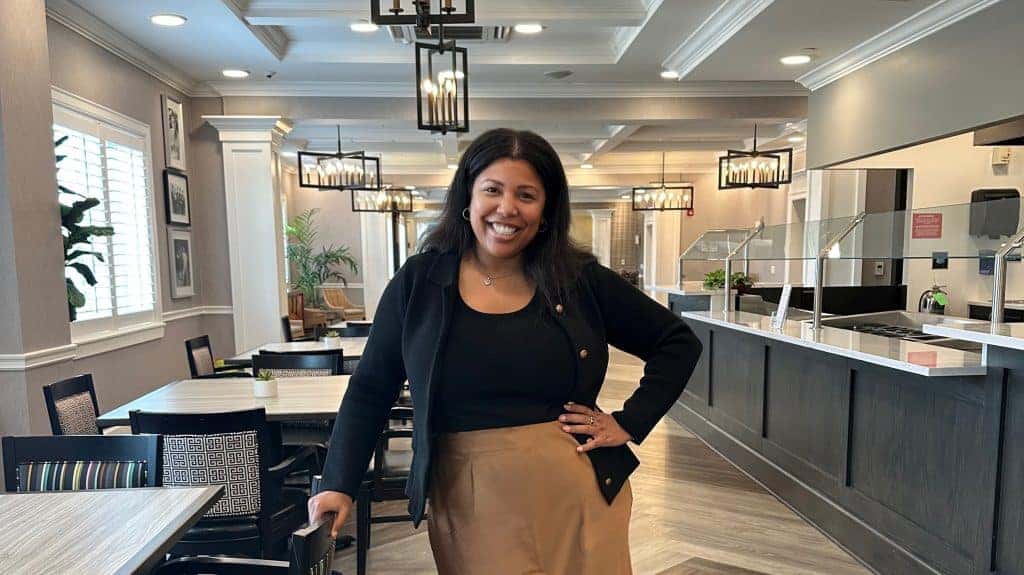
Into this field has stepped a Glion alumna, Lina Boulalli, for whom assisted living has kindled a new passion; while also enabling her to utilize her hospitality education and professional experience to the full.
After graduation, Lina initially forged a career in hospitality, with a first job at The Parker New York (now Thompson Central Park). Her move into the assisted living sector came about during the Covid pandemic, which prompted enforced shutdown of the hospitality industry in the US.

“I was offered an opportunity in the senior living sector by a mentor and friend, and what began as a practical decision quickly turned into a passion. I came to realize that the core principles of hospitality – genuine care, service excellence, and attention to detail – are just as essential, if not more so, in senior living,” she explains.
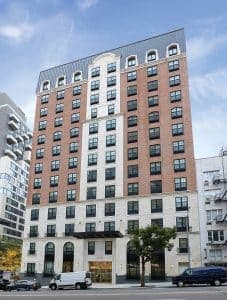
A swift career progression followed, and today Lina is Regional Director of Hospitality at The Bristal Assisted Living, which operates communities on Long Island, in Manhattan, NY, in Westchester County, NY, and in New Jersey. In this role she supervises the overall hospitality experience across all departments within these communities.
“My focus is on maintaining consistency in service standards, improving resident satisfaction, and supporting resident retention,” she says.
“A typical day involves visiting properties, reviewing operations, and identifying opportunities for improvement. I also dedicate time to strategic initiatives – whether it’s launching new training programs, developing solutions to improve resident retention, or conducting quality audits.
“No two days are ever the same, but whatever I do I’m guided by a single goal: to enhance the daily lives of our residents and empower the teams who care for them.”
New perspectives
Lina adds that her background in luxury hospitality has allowed her to bring a fresh perspective to the resident experience, enhancing the focus on personalization, dignity, and the thoughtful touches that make people feel truly at home.
“It’s incredibly rewarding to apply these skills in a setting where we’re making a real, daily impact on people’s lives.”
She’s also drawn inspiration from her luxury hospitality background to implement training programs aimed at elevating the guest experience provided to residents. She notes, “High-quality care isn’t always about high spending – it’s about how residents feel when they’re with us. When staff are well-trained and genuinely engaged, residents feel valued, safe, and supported, which ultimately defines quality in our communities.”
Another key initiative has zeroed in on the all-important first 30 days of residency at a Bristal community.
Lina explains, “This is often a challenging transition for seniors; so we’ve worked to dissect every step of the move in process to ease anxiety and to ensure their emotional, physical, and social needs are met. Today’s baby boomer generation is familiar with – and expects – concierge-level service, so we’ve tailored our approach from the very first interaction. This has helped us not just to boost resident satisfaction, but has also strengthened our culture of hospitality-driven care and meticulous attention to detail.”
Glion days
A similarly challenging transition awaited Lina when she arrived on campus as a callow 18-year-old, needing to get used to a new country – Switzerland – and the exceptionally diverse Glion student body.
“Being immersed in an international community taught me how to collaborate effectively with people from diverse cultural backgrounds – a vital skill in the hospitality industry,” she remembers.
“The way my degree balanced academic rigor and practical experience allowed me to build a strong foundation in service excellence, leadership, and business management. When I think back to the hands-on operational training, insightful industry visits, and the lifelong friendships I formed along the way, it means Glion is a source of great memories.”
Access to the Glion alumni network has proven to be another enduring benefit of her education. “It’s a tight-knit community where people genuinely support one another. When I first moved to New York City and didn’t know many people, the alumni network helped me build a close circle of connections. Once again, it reflects the enduring Glion Spirit – a sense of loyalty, support, and community that stays with you long after graduation.”
The innovation effect
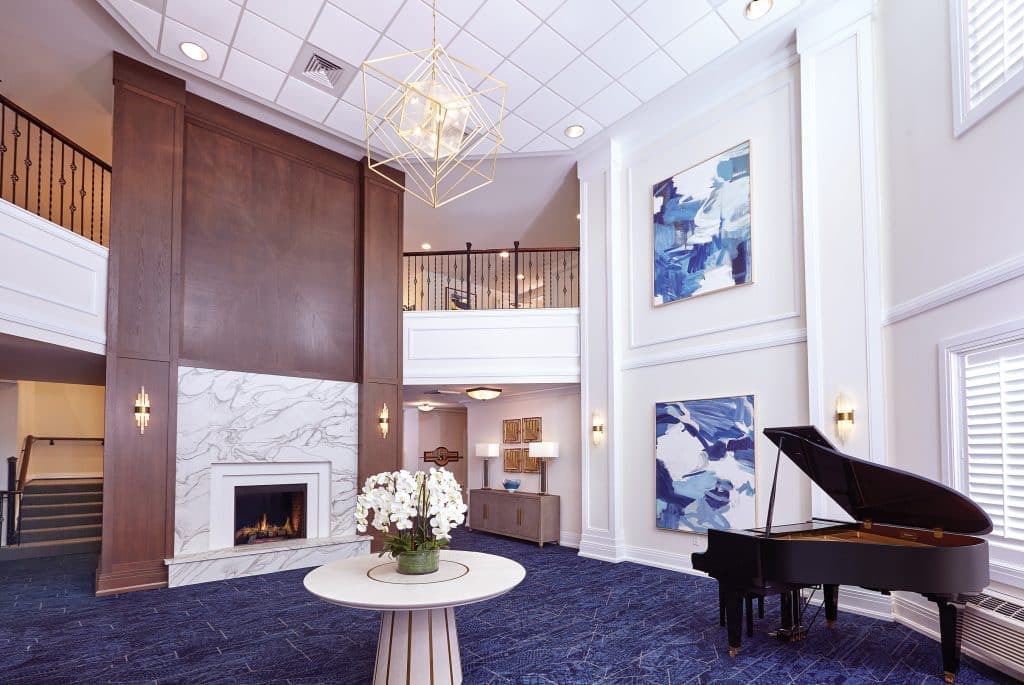
Looking towards the future, the senior living industry – like hospitality – seems set to experience a period of tech-driven innovation; something that Lina feels is a definite positive.
“I’m particularly excited about the integration of wellness-focused design, smart technology, and personalized service plans,” she says. “Innovations like predictive health monitoring and digital engagement platforms are reshaping how we deliver care and also how our communities can be brought closer together. These tools offer incredible potential to enhance residents’ independence, safety, and daily connection.
“We’re also seeing a growing range of technologies aimed at cognitive stimulation and engagement – tools that help to keep our residents mentally sharp and actively involved every day. That said, we never lose sight of the human element. Technology should enhance relationships, not replace them. It’s about finding the right balance between innovation and personal touch to enrich the resident experience.”
In fact, the ‘human element’ means hospitality-standard customer experience has become a major focus not just within the Bristal group but right across the US senior living sector.
“Through my work I’m trying to position hospitality as an essential part of senior living – not just a value-add – by demonstrating its positive impact on both resident satisfaction and revenue growth. My vision is for communities that feel vibrant, inclusive, and deeply personal – places where residents are not just cared for, but celebrated.
“Ultimately, I want to help create a model of senior living that future generations look forward to, rather than fear.”
• To discover more about The Bristal Assisted Living, visit the website