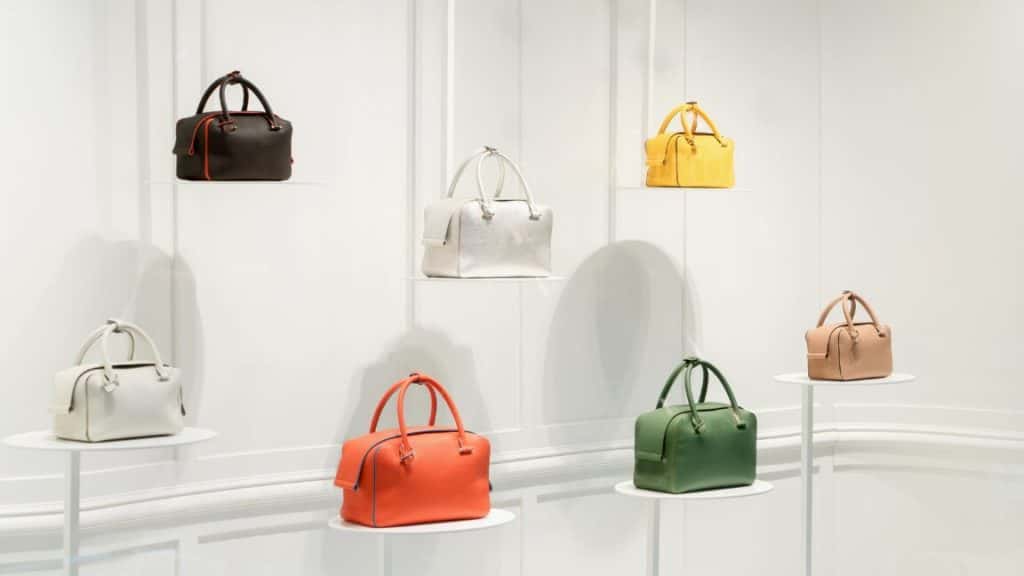
Luxury brands didn’t begin online. Their strength has traditionally come from rarity, craftsmanship and rich heritage, qualities once showcased in quiet showrooms rather than on a phone screen.
When digital marketing first began, it wasn’t immediately clear how it could serve the luxury world.
But things have changed. Today’s luxury consumers scroll through websites, click on ads and expect brands to meet them on digital platforms.
A strong online presence must now convey that same sense of care and quality.
The real challenge lies in striking the right balance: embracing new digital tools while maintaining a calm, refined voice. This balance is what allows a luxury brand to remain both timeless and relevant.
In this article, we will be discussing luxury brand strategy and how you can build a career in the field.
What sets digital marketing strategies for luxury brands apart?
Luxury brands don’t aim to reach everyone. Instead, they focus on reaching the right people. While many mainstream brands launch broad campaigns to attract as many consumers as possible, luxury brands concentrate on building deep connections with a select audience.
Their primary goal is to establish trust and forge long-term relationships.
The power of storytelling
Luxury brands speak to individuals who appreciate quality, style and exclusivity. Rather than simply selling a product, they aim to evoke a feeling or tell a compelling story.
This emotional connection is why storytelling plays such a vital role in luxury marketing.
Reaching the right target audience
A luxury brand might use slow, elegant visuals or compelling narratives to highlight what makes its product unique.
This kind of marketing campaign may not reach millions, but it can leave a lasting impression on the affluent consumer who truly matters to the brand.
A new kind of exclusivity
While exclusivity has always been a cornerstone of luxury, it's taking on new forms in the digital era. Today, many luxury brands are creating unique experiences such as private product launches, invitation-only events and tailored email campaigns for a carefully chosen audience.
These personalized touches elevate the shopping experience, making customers feel recognized, appreciated and truly special.
Staying consistent online
Luxury brands typically avoid chasing every social media trend and prioritize consistency instead. Their Instagram pages, websites and emails all maintain a polished, cohesive aesthetic.
The goal is visual appeal that reflects quality, intentionality and brand integrity at every touchpoint.
It’s not about trends
While new interactive marketing trends are emerging all the time, luxury fashion brands know that chasing the latest fads isn’t the path to lasting success. What matters most is staying true to the brand’s values.
Compelling storytelling, a clear message and personalized touches are more impactful than fleeting trends.
Digital tools are valuable, but they should improve rather than dilute the sense of exclusivity. A personalized message or a private online event can make someone feel uniquely selected.
When a luxury brand maintains consistency in messaging and design across all digital platforms, it builds a powerful and enduring brand image.
Tell stories that sell without saying a word
Discover how storytelling, guest experience design and brand integrity come together in Glion’s immersive luxury marketing curriculum.
Key strategies in digital marketing for luxury brands
While many companies rely on constant content and quick impressions in their digital marketing, luxury brands take a different approach.
Every choice is intentional and carefully measured. Let’s explore some of the key strategies that help build desire among the industry’s ideal target customers.
Social media marketing
Luxury brands use social media to communicate in a distinctive, artful manner. Chanel and Dior, for example, treat their social platforms more like curated galleries than traditional feeds.
Instead of frequent updates, they showcase high-quality visuals that highlight their heritage, intricate embroidery, serene atelier scenes and timeless moments from past collections.
Dior’s Rouge Dior campaign used cinematic visuals to convey strength, femininity and classic beauty without a single hard sell. Each post contributes to a larger narrative, meticulously crafted for a luxury audience.
Influencer marketing with exclusivity
While influencer marketing is common, luxury fashion brands approach it with a heightened sense of curation. Rather than casting a wide net, they choose ambassadors who naturally embody their brand image.
Dior’s ongoing partnership with BLACKPINK’s Jisoo is a prime example.
She appears in carefully managed shoots, attends exclusive brand events and authentically represents Dior.
The collaboration feels organic, not transactional. It’s the kind of alignment often examined by students pursuing a Bachelor of Hospitality Management when exploring how long-term brand image is developed.
Personalization and CRM
Affluent customers notice how they’re treated, and that’s where personalization plays a crucial role. Luxury hotel brands such as the Ritz-Carlton use advanced CRM tools to go beyond surface-level data and build a richer profile of each guest.
This allows them to offer personalized welcome amenities, curated local experiences and tailored recommendations that genuinely resonate.
These gestures feel intentional and tailored. Such attention to detail defines an exceptional guest experience and underscores why luxury brands are so committed to getting it right.
Video and immersive content
Sometimes words and still images are not enough. That’s where video and immersive experiences come in. Gucci’s mixed-reality fashion film allowed viewers to explore collections as if they were stepping into a dreamlike narrative.
Similarly, Louis Vuitton’s 3D runway presentations offered a sense of intimacy. Audiences could attend from anywhere, yet the experience still felt exclusive.
These digital experiences extend luxury in ways that are just as meaningful, creating lasting impressions and emotional connections.
SEO and branded content
Even in luxury, content must be discoverable online, but the goal is to create something that reflects their unique voice rather than to chase clicks.
Bottega Veneta and Hermès, for instance, invest in designer interviews, stories of craftsmanship and editorial pieces that articulate their vision.
According to luxury digital marketing experts, this kind of content performs well in search engines but, more importantly, aligns with the brand’s identity. There’s no urgency, just a consistent, refined presence.
Predictive AI
Artificial intelligence allows luxury brands to stay close to their customers discreetly. AI can predict when a client may return or suggest products based on subtle behavioral cues.
These insights enhance CRM systems, enabling precise timing and relevance without the need for loud messaging. The result is a smoother, more satisfying shopping experience that fosters deeper loyalty.
Across all these strategies, one principle remains: Luxury branding is defined by deliberate exclusivity. It speaks with intention, connecting authentically with a discerning audience at precisely the right moment. That’s what keeps it relevant and rare.
The role of education in mastering luxury marketing
Once driven largely by intuition, luxury marketing was often led by individuals with refined taste and an eye for detail. But today, things have changed. To succeed, professionals need the right combination of skills, tools and formal training to stay ahead.
Why skills matter more than ever
Digital marketers working with luxury brands must be adept at planning smart strategies, analyzing data and navigating various platforms.
They also need to understand the emotional appeal of luxury. What makes someone choose one brand over another? What builds lasting loyalty? Education plays a key role in helping marketers grasp the psychology and emotions behind consumer behavior in the luxury space.
Career paths in luxury marketing
If you're considering a career in luxury marketing, there are many potential ways in. You could become a digital strategist designing campaigns that feel exclusive and personalized.
Or you might focus on storytelling as a content lead, ensuring every message aligns with the brand’s voice. No matter which path you pursue, the right education can provide the strong foundation needed to help you gain entry and launch your career.
The power of specialized education
Roles in luxury marketing require a blend of creativity and structure. That’s why specialized programs such as a master’s in luxury management and guest experience combine traditional brand knowledge with modern tools, data literacy and real-world projects.
Students learn from industry experts and graduate with a strong understanding of how the luxury sector really works.
Trends to watch in 2025 and beyond
The luxury industry carefully adopts innovations that exude exclusivity, design and meaning. Several subtle shifts are now reshaping how luxury brands approach the digital space, including:
- AI-powered services: luxury brands increasingly use AI to determine the right moment, message and product for each customer, helping them deliver service that feels more personal, timely and thoughtful
- Transparency: today’s luxury buyers want transparency. How a product is made, where the materials come from and who is behind the craftsmanship are all increasingly important. By sharing authentic stories and clearly showing their process, brands can build deeper trust
- Web3 and digital collectables: brands are exploring new opportunities in Web3 to offer value. Some, such as Louis Vuitton, have launched limited-edition digital collectibles that unlock access to unique products or experiences. These offerings are designed to feel exclusive, like a modern take on invitation-only access
- Blending physical and digital experiences: imagine browsing a virtual showroom from your couch, then booking a private in-store visit. These ‘phygital’ experiences will make personal service smoother, more tailored and more memorable
Final thoughts
Luxury brands set their own pace. While mainstream marketing emphasizes speed and reach, luxury takes a more deliberate, thoughtful approach.
It’s about being remembered for the right reasons, not just being seen everywhere.
As consumer expectations evolve, luxury brands are discovering new ways to connect. They use carefully curated content, personalized experiences and a seamless blend of digital and real-world interactions.
The true challenge is staying meaningful in a fast-changing world. That’s why specialized education is essential for the next generation of luxury brand leaders.
Photo Credits:
Main Image: onlyyouqj