One of the biggest issues facing industry today is staff turnover. And it's a particularly acute problem in hospitality, where operators still find it difficult to fill all the positions vacated during the Covid pandemic and to hold on to valued members of staff.
While salaries and working conditions play a part in retention, one of the biggest factors in ensuring employees stay with an organization is its culture. And there is often no better driver of a healthy and thriving company culture than engaged and ethical leadership.
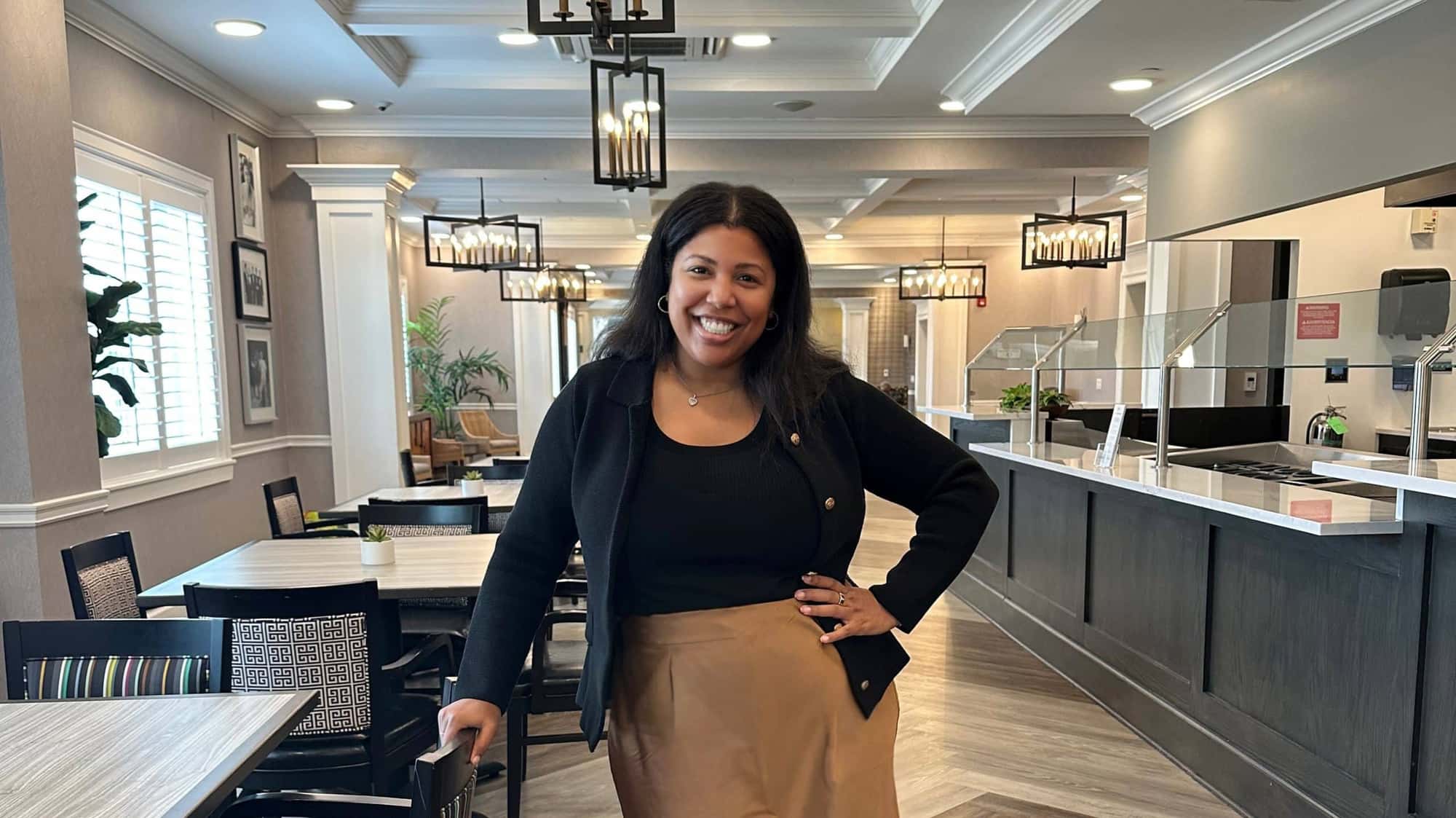
Having spent several years in travel, tourism and the aviation industry, Glion alumna Christine Maillochon now runs her own business focused on helping emerging leaders act with integrity and make decisions based on ethical leadership principles. She took the time to speak to The Insider about what constitutes ethical leadership, why it’s important and how a Glion education instills the ingredients of it in students.
Integrity under pressure
“I'm currently coaching leadership and ethical positioning, which in simple terms means I help leaders – often emerging ones – listen more deeply and act thoughtfully and with care,” she says. “We live in a fast-paced world and leaders are under increasing pressure to make quick decisions. They come to me for assistance when they feel they’ve lost touch with what’s important when making tough choices. So in a way, it’s about reconnecting leaders with their values.”
Christine works with individuals from a range of organizations, including NGOs on a pro bono basis, aviation industry professionals and clients in banking and finance.
“I came quite naturally to coaching,” she adds. “I had worked for many years in tourism and afterwards in aviation technical sales and, during that time, I noticed most businesses are less about the products than they are about people. So I focus on leadership and emotional intelligence because, nowadays, leading is not just a question of technical abilities, it's more about understanding people and leading by example.
“What differentiates my practice from general leadership coaching is the integration of concepts from philosophy and social epistemology. During sessions, we cover ethics, bias awareness and epistemic injustice versus fairness to cultivate ethical reflexes and deeper self-awareness.”
Catalyst for change
Christine developed her understanding of what constitutes ethical leadership during years working in tourism, aviation and for airlines following graduation from Glion.
“I started working with Diethelm Travel, part of the Diethelm Keller Group, in southeast Asia,” she says. “It was hands-on, highly operational management and focused on the customer and I’m really grateful for that experience because it shaped how I now see business in a holistic way.
“After around seven years, I moved into aviation, working for a subsidiary of Boeing and GE Aviation, where I took on more leadership responsibilities. There, I learned how to navigate complex technical sales and make high-stake decisions on a range of international projects.”
Like many people in the tourism and travel-adjacent industries, Christine found her role was surplus to requirements when the global pandemic hit.
“It felt like a natural continuation, bringing together everything I’d done before in hospitality and aviation combined with my interest in human behavior”
“That’s when I decided to make official what I'd actually been doing informally for so many years,” she adds. “It felt like a natural continuation, bringing together everything I’d done before in hospitality and aviation combined with my interest in human behavior.”
If Covid was the catalyst, the seed of Christine’s career switch had been planted much earlier when she was working in Cambodia.
“I was in one of the poorest countries in the world and I’d just come from a private school in Switzerland,” she says. “I was confronted with the reality of history and poverty. And I saw people rebuilding their lives with dignity and resilience despite the huge challenges they faced. That touched me deeply. So over the years, I mentored and coached at work, ran small workshops and supported refugees. I think that’s where I developed the empathy and understanding I need today and, combined with my professional experience, is what ultimately led me into ethical leadership coaching.”
Leading by example
So what exactly is ethical leadership and what kind of attributes do leaders need to display in order to be considered ‘ethical’? According to Christine, a Google search of the term can only get you so far.
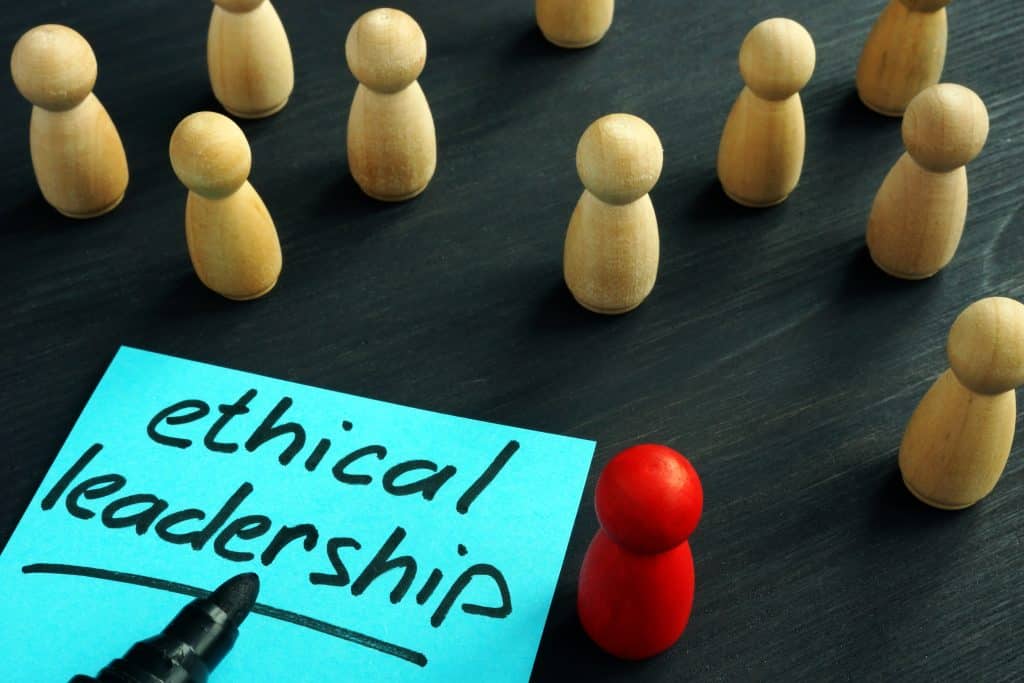
“There are many definitions of ethical leadership, but when asked, I always think it’s better to give an example,” she says. “And in my case, that example is another Glion alumnus – Jean-Stéphane Grasset – who graduated a couple of years before me. Sadly, he passed away in 2009, but we were very close and we often spoke about tough decisions, the ripple effects they create, the weight of leadership and the loneliness of it.
“And what struck me the most about him was how much he cared for his people, even when he wasn't sure of what constituted the right decision. As a General Manager, he never lost that genuine respect for his staff and their families. And that’s important, because when you hire people or they are on your payroll, it's not just about them, it’s also about their families. Jean-Stéphane asked questions, he shared doubts and he listened. And that's ethical leadership for me. Being anchored in your values and staying human when things get tough.”
Counting the cost
A quick glance at any business periodical or the finance pages of national newspapers would often reveal many examples of companies that are seemingly thriving while not necessarily acting responsibly or with integrity. So why is ethical leadership so important? For Christine, there are both moral and economic arguments for it.
“Not every unethical leader gets caught or sanctioned and there are many businesses that appear to thrive without ethical leadership,” she says. “But you don’t always see what’s happening on the inside and, in my opinion, unethical leadership always comes with a cost.

“For example, hospitality is built on trust and emotions. It's about how people feel and that includes guests, staff and partners. You cannot fake authenticity because people sense it. That's why I think leading with integrity and creating a culture where people feel safe and valued but also where their energy flows through everything is so critical – and can make all the difference. How you welcome guests, how problems are solved and how teams work together are all governed by a culture that’s set by leadership.”
According to Christine, while it’s true some companies can thrive under bad management, unethical leadership eats away trust and adversely affects businesses from the inside.
“You get demotivated staff, more sick leave and an internal culture that starts to rot,” she says. “Some people imitate the bad behavior they see at the top, others disconnect or become disengaged and many simply walk away.
“That’s why I place so much focus on emerging leaders. If they develop strong ethical reflexes, there is real hope for them to shape healthy cultures early on. But it is equally important for current leaders to recognize the need and pave the way for future generations too.”
Sense of solidarity
While much of Christine’s expertise in the field has been gathered over many years of work and life experience, alongside her ongoing philosophy studies at Oxford Lifelong Learning, it’s also worth noting she credits Glion with giving her a solid foundation.
“A hospitality education necessarily means you are focusing on people, but what I found was that Glion was teaching us to be emotionally intelligent in what we were doing as well,” she says. “I’ve attended and worked with other schools and universities and they don’t have that same focus. Looking at my time at Glion, what comes back to me is how much value was placed on leading with emotional intelligence.
“Glion also gave me an entrepreneurial mindset, which has definitely been helpful over the years. It’s enabled me to see businesses holistically and find solutions much faster than my former colleagues. And something I also really value is the Glion spirit – the sense of belonging to something and of shared history. It really is like a family in that respect.
“As an example, many years ago I set up an action to support homeless people and I reached out to alumni in France, Germany and the Middle East. The response was immediate. I felt a real sense of solidarity and that’s one of the reasons I think Glion is something special.”
Photo credits
Wooden figures: designer491/Getty