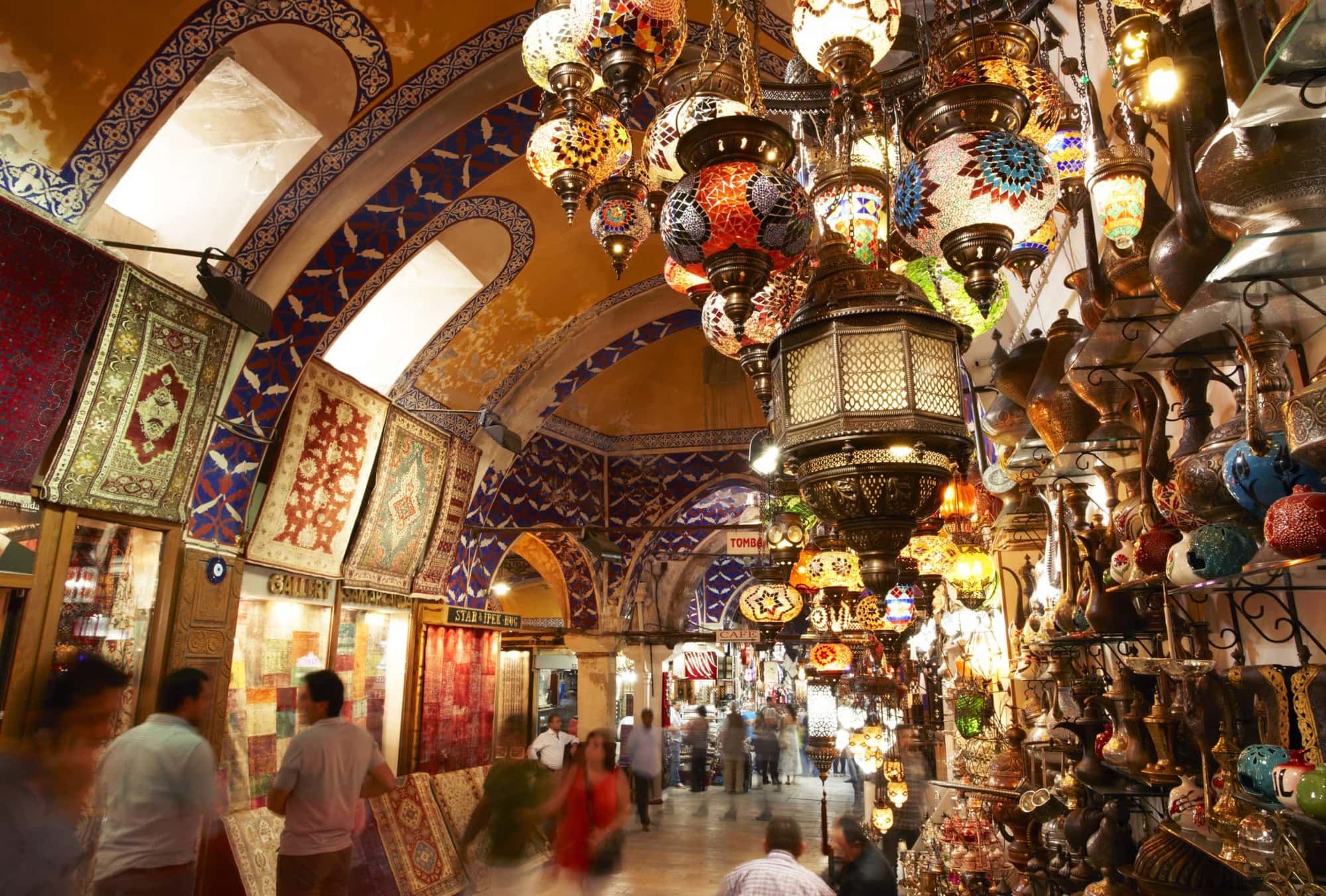
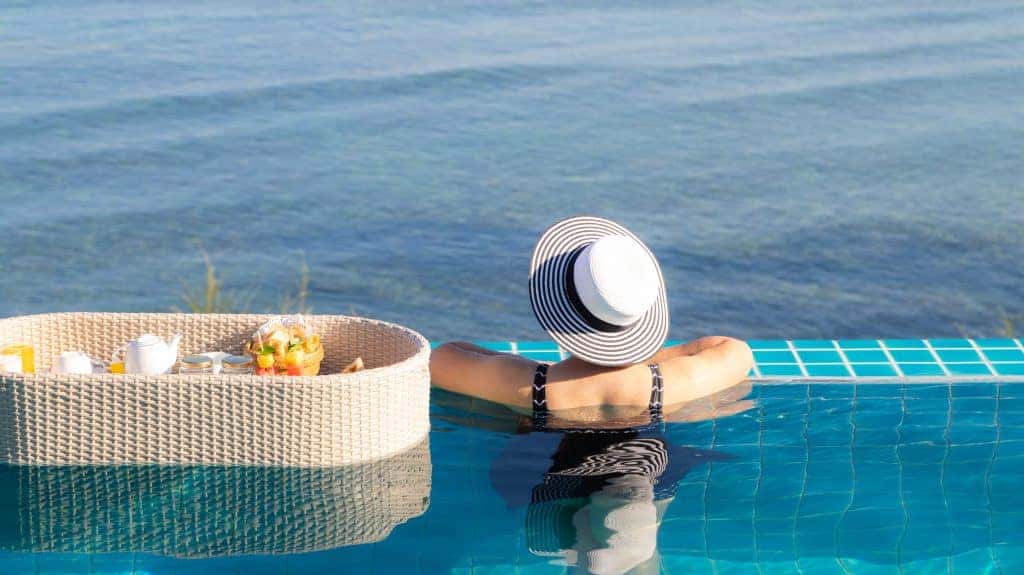

Imagine walking into a boutique hotel in Paris. It’s not just the lavish decor that leaves an impression; it's the warm welcome from a staff member who remembers your name, the personalized itinerary they have curated just for you, and the feeling that this experience is uniquely tailored to your desires. As you settle in, you realize that this isn’t just a moment in a boutique; it is a memory being created, one that you will remember long after you’ve left.
This story illustrates the powerful shift occurring in today’s marketplaces, driven by what is now known as the Experience Economy*.
Once, business success was often measured by sales figures, market share, or product durability. But times have changed. Today, consumers are hungry for more than just a product; they crave meaningful, memorable experiences that resonate deeply with their personal values, ambitions, and identities. This emerging landscape is revolutionizing the way brands operate, compelling companies to craft moments that make their customers feel understood, valued, and inspired. This is the essence of the Experience Economy, a paradigm shift that is unlocking new opportunities for business growth.
Immersive journeys
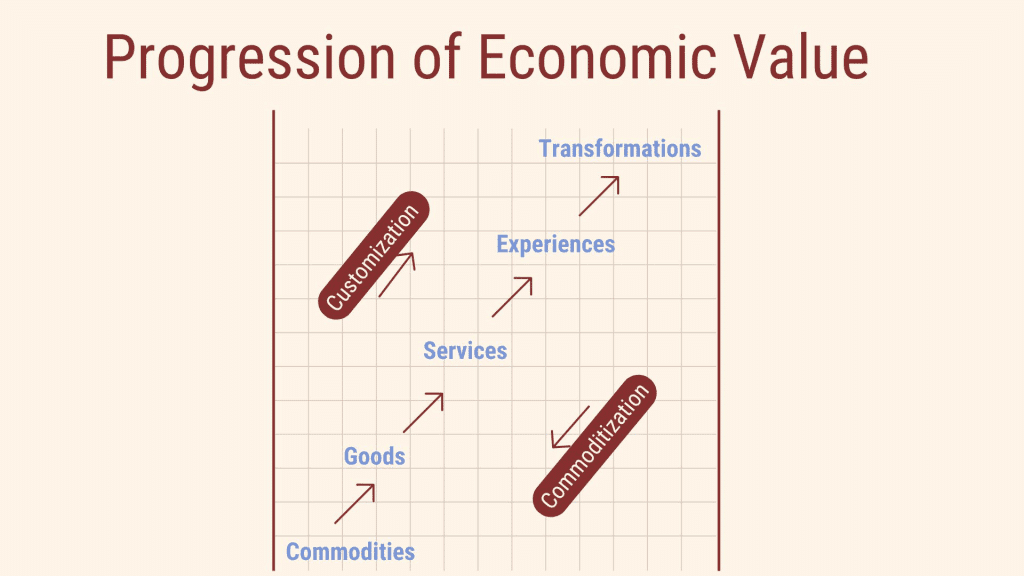
There is a new customer mindset that goes beyond transactions to more immersive journeys. Picture the experience of a luxury traveler. It’s no longer enough to offer exclusive access or high-end amenities; today’s discerning travelers seek genuine connections and immersive storytelling. They want experiences that reflect their aspirations, cultural enrichment, personal discovery, or a sense of belonging. An experience that feels transformative is what new generations find so captivating, and it is also the final step in the evolution of economic value creation.
This trend has prompted brands across industries to think beyond traditional offerings and focus on creating engaging moments that resonate with their audiences on multiple levels. A brand that excels in this trend is Aman Hotels, known for their unique blend of luxury, authenticity, and experience.
Take, for example, a high-end fashion brand like Dior. Instead of simply selling clothes, they host behind the scenes experiences, fashion shows, visits to ateliers, or if you are lucky enough, personalized styling sessions that turn shopping into a journey of discovery. The immense heritage is captured in the essence of each piece, book, and documentary. These experiences transform the brand from just a retailer into a storyteller, building loyalty through emotional engagement that lasts much longer than a purchase.
In this new economy, the power of art, culture, and authenticity can't be denied (see here for more on this topic); this last one has become a currency more valuable than gold. Today’s consumers are experts at spotting inauthenticity. They can tell when a brand is just riding trends versus truly embodying its values. That is why art and culture have become essential tools for brands trying to stand out.
The perfect blend
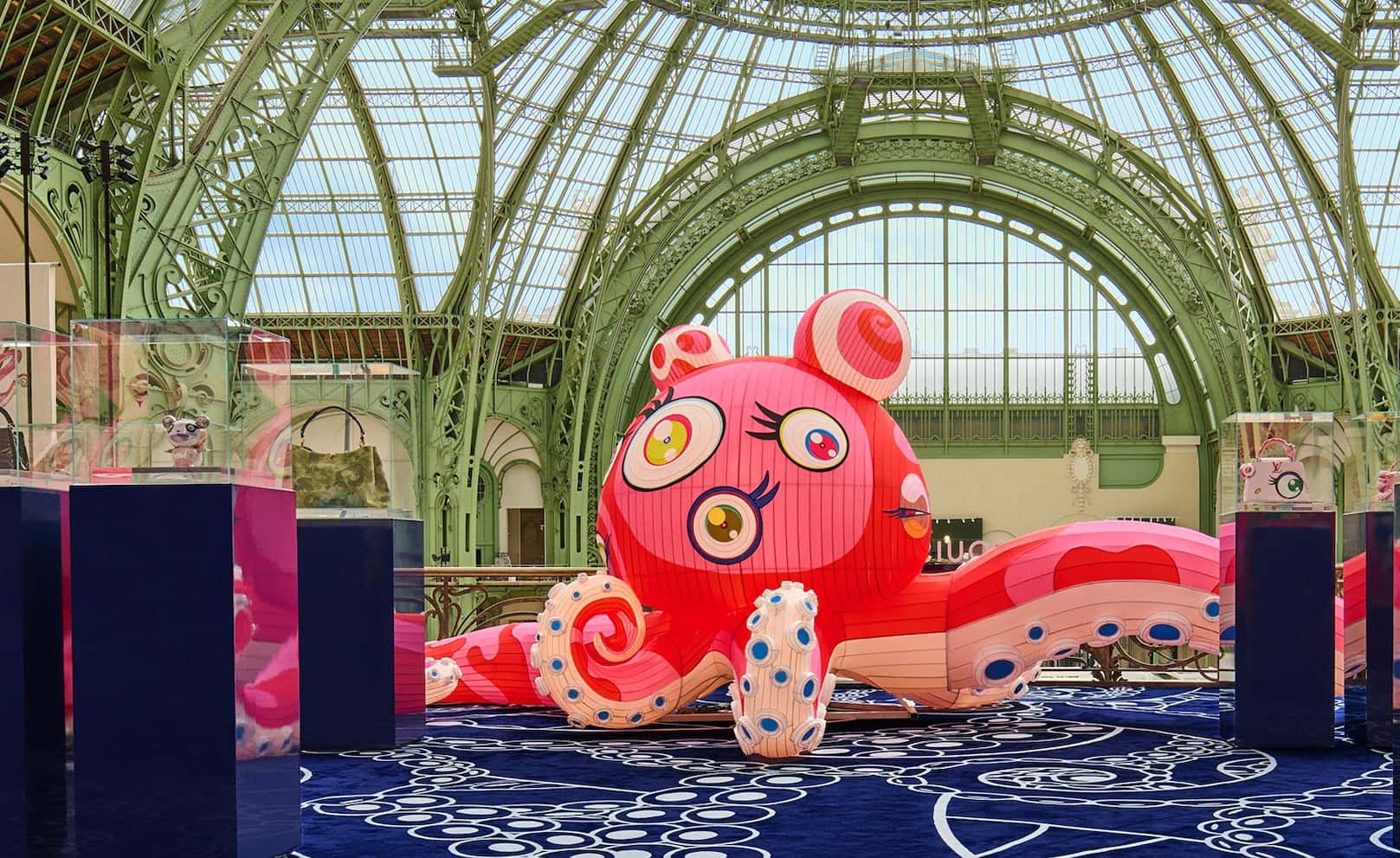
Luxury brands have become experts at combining artistry with commerce. Instead of relying solely on traditional advertising, many now partner with well-known artists, sponsor cultural events, or incorporate captivating art installations into their retail spaces. These efforts do more than boost prestige; they create emotional connections, turning products into meaningful symbols of identity and values, thereby reinforcing the notions of scarcity and rarity —qualities that art and luxury are happy to share.
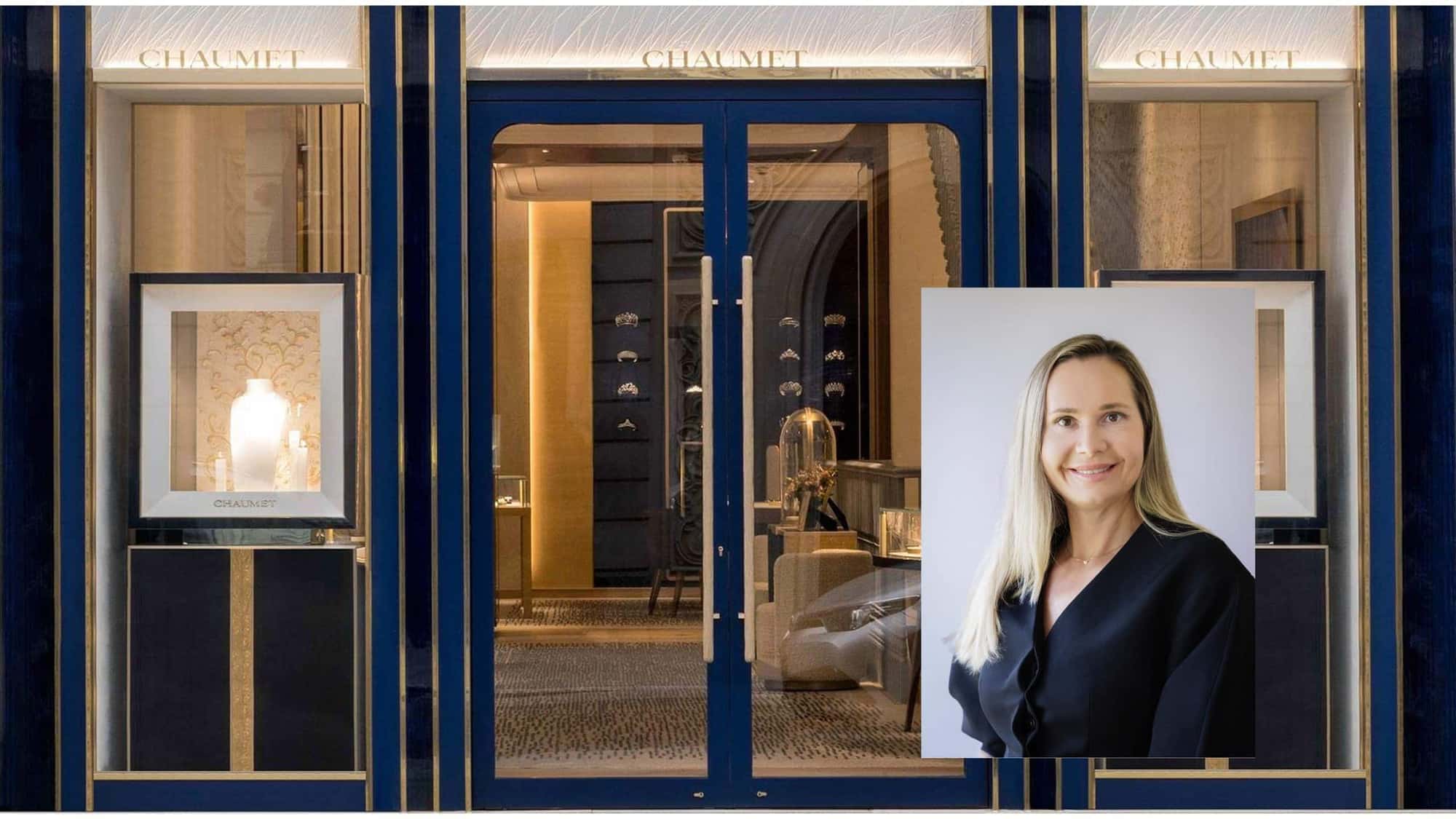
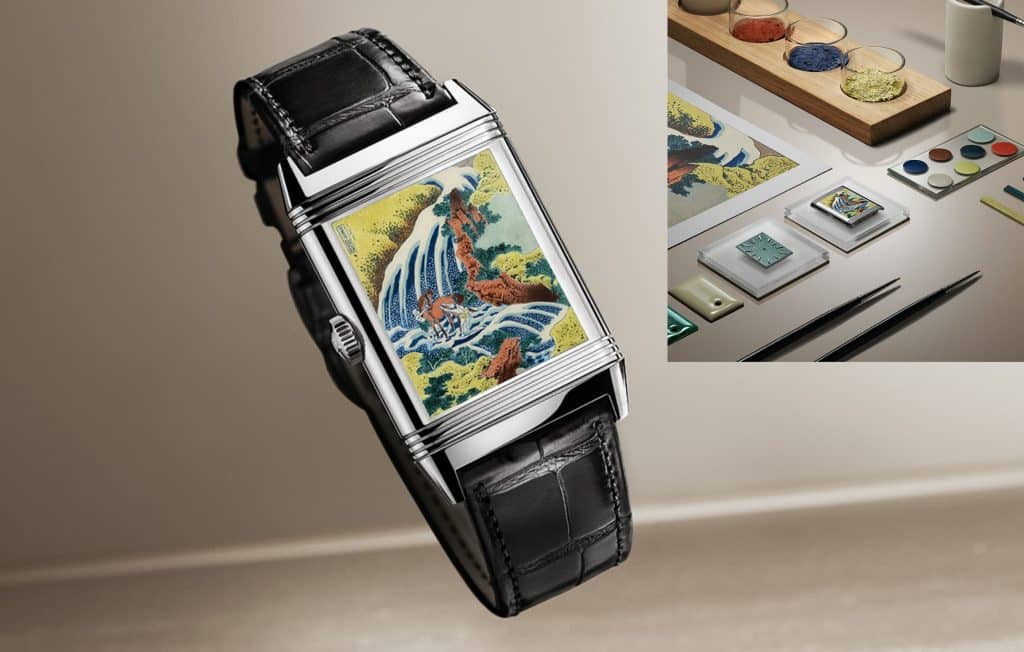
Consider the story of a jewelry house that partners with contemporary artists to create limited edition collections. Each piece becomes more than jewelry, it’s a work of art, a conversation starter, a symbol of cultural capital. Such collaborations tell stories that resonate, connecting consumers not just to a product but to a broader narrative of creativity, authenticity, and shared values. Such a case has happened with many brands, for example my personal favorite Jaeger–LeCoultre and its hand-painted Reversos by Enamel Hokusai (see below).
Authenticity is all
Imagine the disappointment of ordering “champagne” only to receive a sparkling wine from elsewhere; real Champagne is from Champagne, and this authenticity adds intrinsic value. Brands that embrace and communicate their genuine origins, stories, and craftsmanship build customer trust and loyalty that can withstand market fluctuations and justify high prices through the principles of scarcity and rarity associated with luxury.
Authenticity has become the new luxury; it’s no longer just a word but a competitive factor. Consumers scrutinize every detail: where a product originates, how it’s produced, and whether it’s genuinely unique. Legal protections for regional names, such as Champagne, Parmigiano-Reggiano, or Prosciutto di Parma, highlight the growing importance of authentic origins. This emphasis on place based authenticity helps consumers distinguish real from fakes, fostering a sense of trust that’s essential in today’s saturated markets.
The relationship between art and luxury has evolved dramatically, and now they can't be understood one without the other. Once, art patronage was reserved for kings and aristocrats. Today, luxury brands serve as cultural curators, integrating art into their brand’s DNA through collaborations, installations, and storytelling that turn their products into living works of art.
Take, for example, a renowned fashion house that collaborates with street artists to create exclusive collections, or a maison that sponsors contemporary art exhibitions. These initiatives do more than attract attention; they elevate the brand’s cultural status and deepen emotional connections. Consumers are no longer just purchasing a product; they’re investing in a story, a symbol of artistic expression that enhances their narrative. The same applies to foundations and schools where maisons like LVMH and Kering sponsor young talent and preserve traditional craftsmanship.
Tapping into the romance of Rome
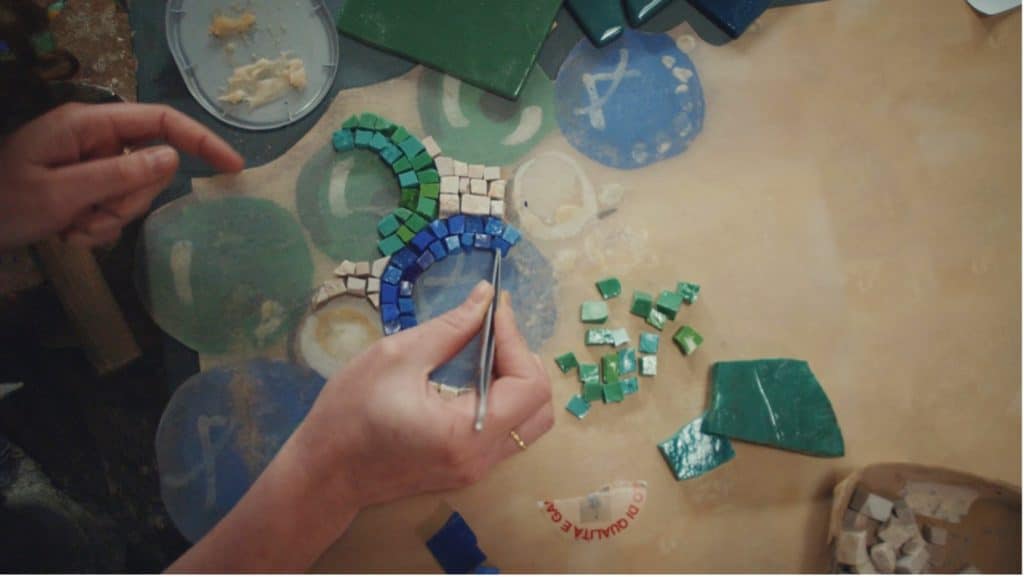
To illustrate the connection between luxury, art, and authenticity, and how they have become mutually reinforcing, we can examine the Bvlgari Hotel Rome. This concept resonates so deeply that it even feels romantic. They have mastered key service elements such as speed, efficiency, and attentive, capable staff, but each interaction is also an experience. Every curtain, door, plate, dessert, and sculpture in the hotel is carefully curated, making it impossible not to remember, time stops in every interaction. The craftsmanship, with hours committed by artisans, and each original piece, embody abundant rarity, scarcity, and luxury, which are evident at every step across the property. The documentary "The Emperor’s Jewel" inspires viewers enough to ignite a desire to see everything firsthand, demonstrating how storytelling always pays off.
Outperformance through experiences
Regarding the practical aspects of the business concept, according to a 2023 report by McKinsey & Co, companies adopting experience-led growth strategies outperform their competitors in revenue by nearly two times, while significantly enhancing customer engagement, satisfaction, and retention. These organizations focus on understanding and addressing customer pain points, such as complex purchasing processes, delivery delays, and poor channel integration. They redesign customer journeys, assemble cross-functional teams, and develop innovative offerings to uncover new revenue streams. Success measurement combines real-time voice-of-the-customer data with operational KPIs that evaluate process efficiency and effectiveness.
The core aim of this strategy is to deliver exceptional experiences to existing customers, which increases wallet share, promotes cross-selling, and fosters long-term loyalty, key drivers of sustainable growth. In B2B contexts, customer experience differs from B2C due to deeper relationships, longer journeys, multiple stakeholders, and high-stakes, customized interactions. In complex sectors like industrial services, many clients now seek experiences similar to those found in consumer interactions, especially post-pandemic, when quality experiences have become even more critical.
Additionally, Bain’s Net Promoter Score (NPS) has emerged as a vital metric for predicting growth and cultivating loyalty, motivating both customers and employees towards long-term success. Meanwhile, McKinsey’s 'Cashing in on the US Experience Economy' highlights how consumers of all ages, particularly millennials, value shared experiences for their psychosocial benefits over material possessions.
That research, co-authored by Goldman, Marchessou, and Teichner, further observes that FOMO (fear of missing out) and social media amplify this trend, creating lucrative opportunities for investors targeting brands focused on experiences with lasting consumer appeal.
Services come to the fore
From 2014 to 2016, services like travel and fine dining grew nearly four times faster than tangible goods. This supports the views expressed by Gilovich and Kumar in 2014, that experiential purchases foster longer-lasting happiness than material possessions, as they strengthen personal relationships, enhance identity, and generate fewer regrets, unlike material items, which often evoke envy or dissatisfaction.
Research published last year by Bain & Company projects that in 2025, the luxury market will reach around US$495.2 billion, with watches and jewelry leading the way, particularly in China, expected to contribute US$110 billion. Approximately 13.4% of revenue is expected to come from online sales. The industry is evolving, and experiential luxury sectors, such as travel, dining, and yachting, are thriving, while traditional luxury products remain stable or experience slight decline. Consumers are increasingly seeking personalized, authentic, and memorable experiences a trend poised for continued growth.
Major brands like LVMH and Kering dominate the market, with China remaining the largest consumer base. Although a slowdown is forecasted for sectors like gastronomy and travel, they continue to outperform traditional luxury categories, reflecting changing consumer preferences.
As consumers prioritize experiences over products, businesses must decide when and how to adopt experience-driven strategies, emphasizing personalization and digital innovation to succeed in this increasingly experience-focused market. Understanding the symbiotic relationship of luxury, art, and authenticity within experiential economics will be crucial for business growth in the near future.
Footnote
*This term was introduced in 1998; however, it had not necessarily been embraced by business until more recently. According to Pine and Gilmore (2013), experiences are a distinct economic offering from services just as services differ from goods. An experience is not an undefined concept; it is as tangible as any service, good, or commodity.
Connect with Ana Cristina Rodríguez on LinkedIn here
Photo credit
Main image: JaruekChairak/Getty