As the luxury industry evolves it’s endeavoring to do so by creating a ’wow effect’ through both physical and digital channels.
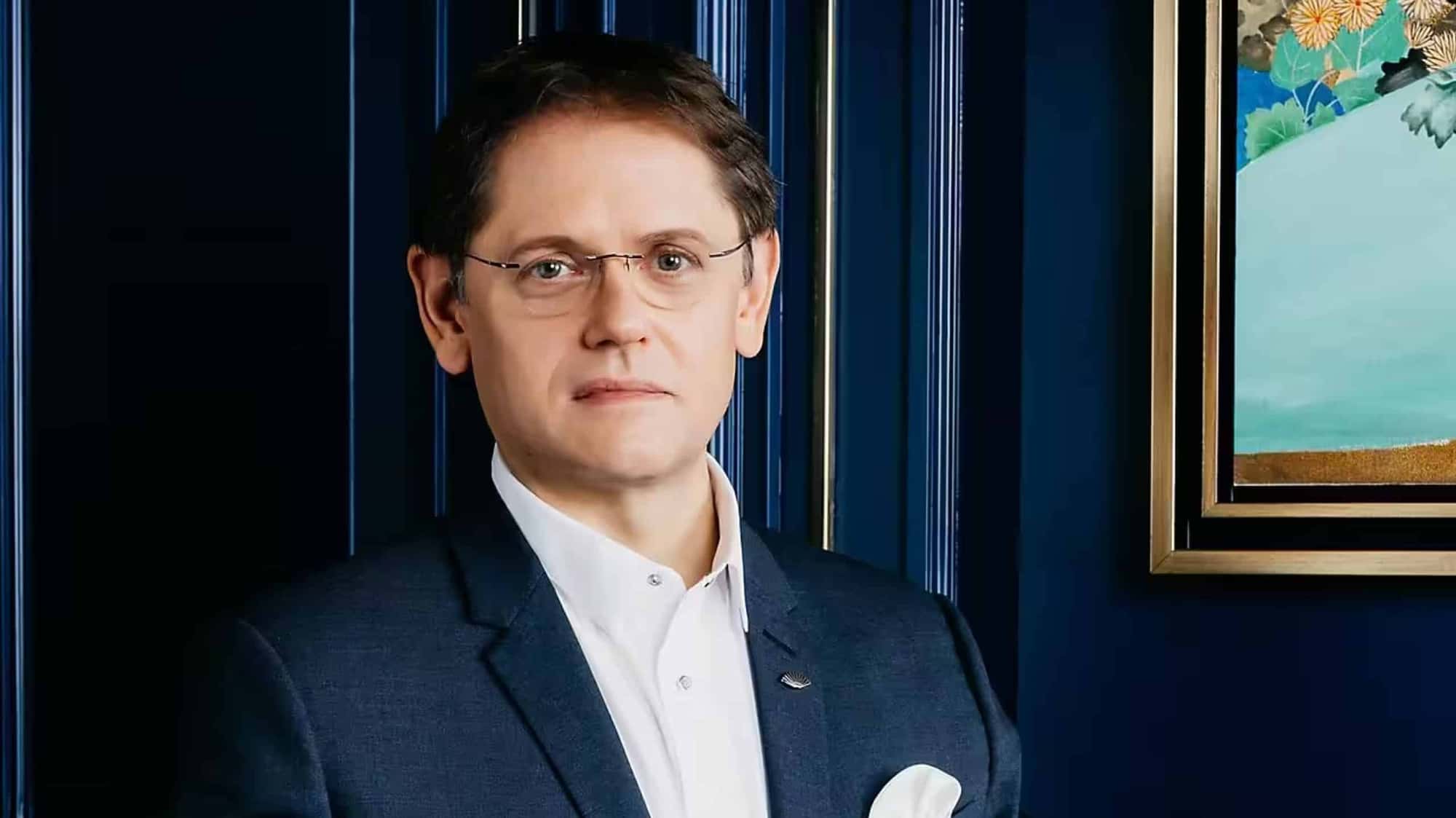
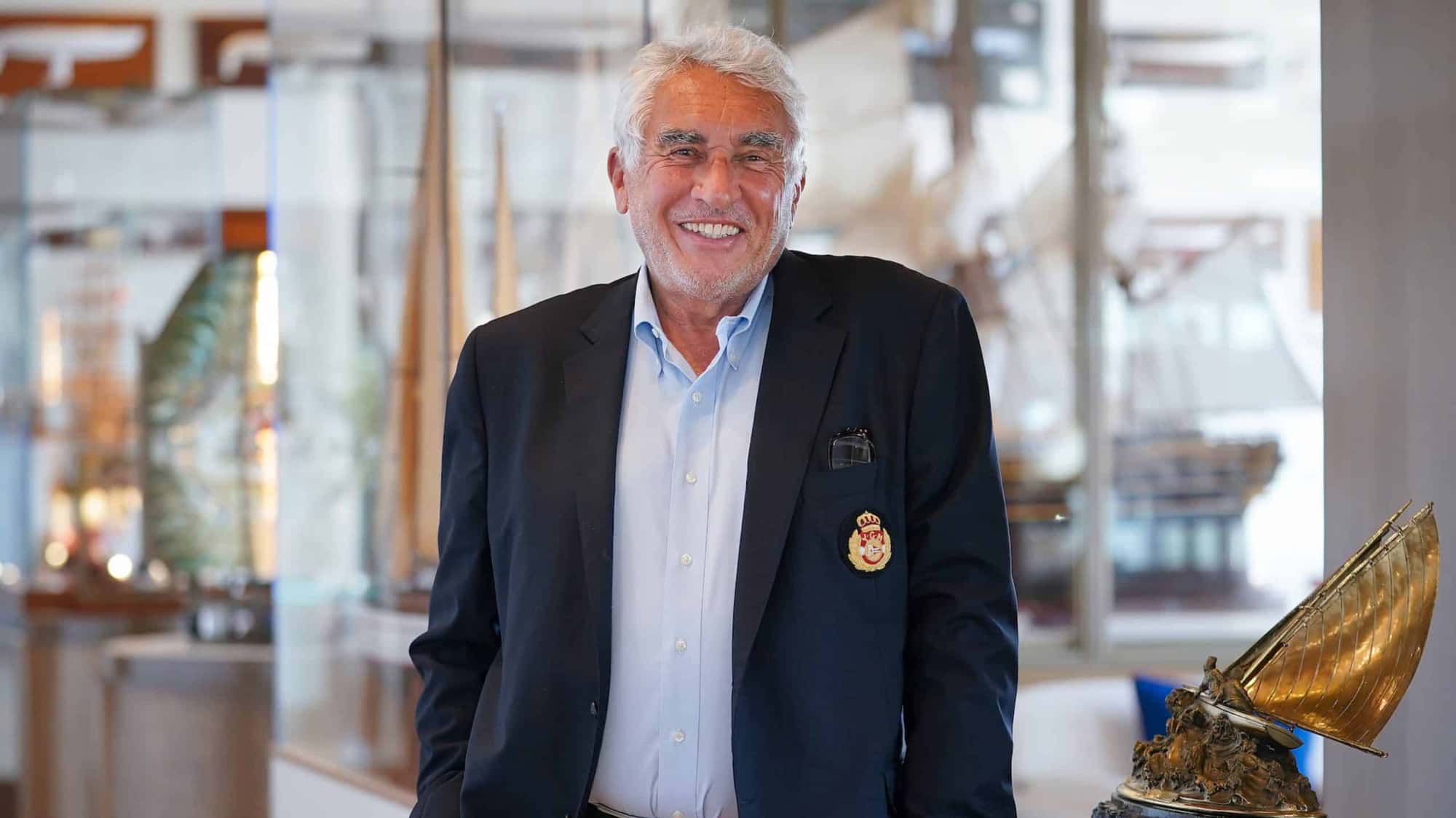
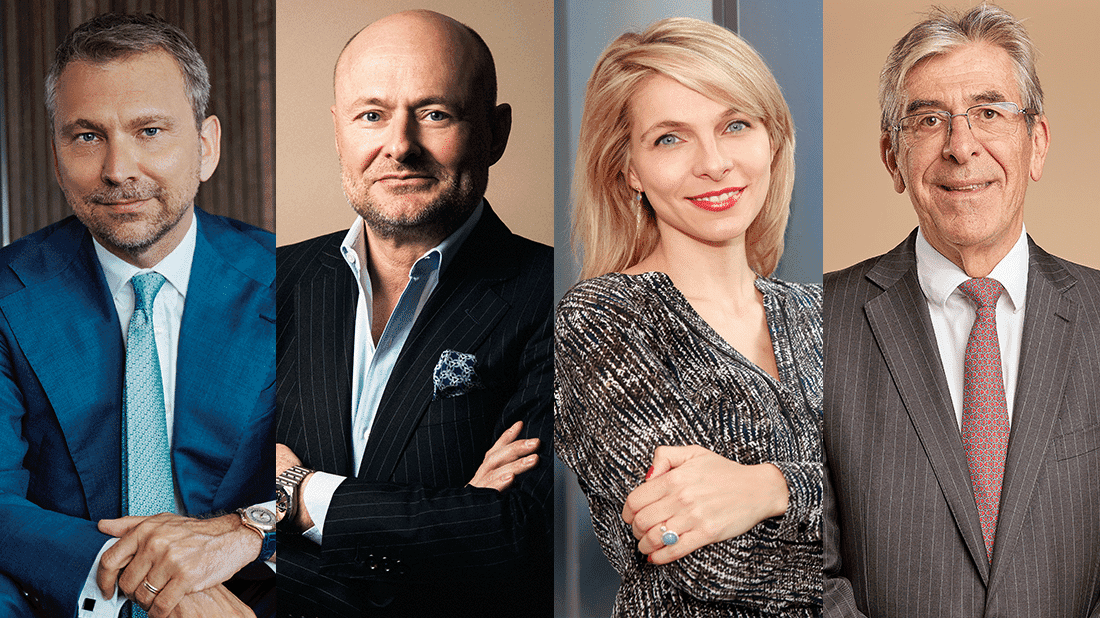
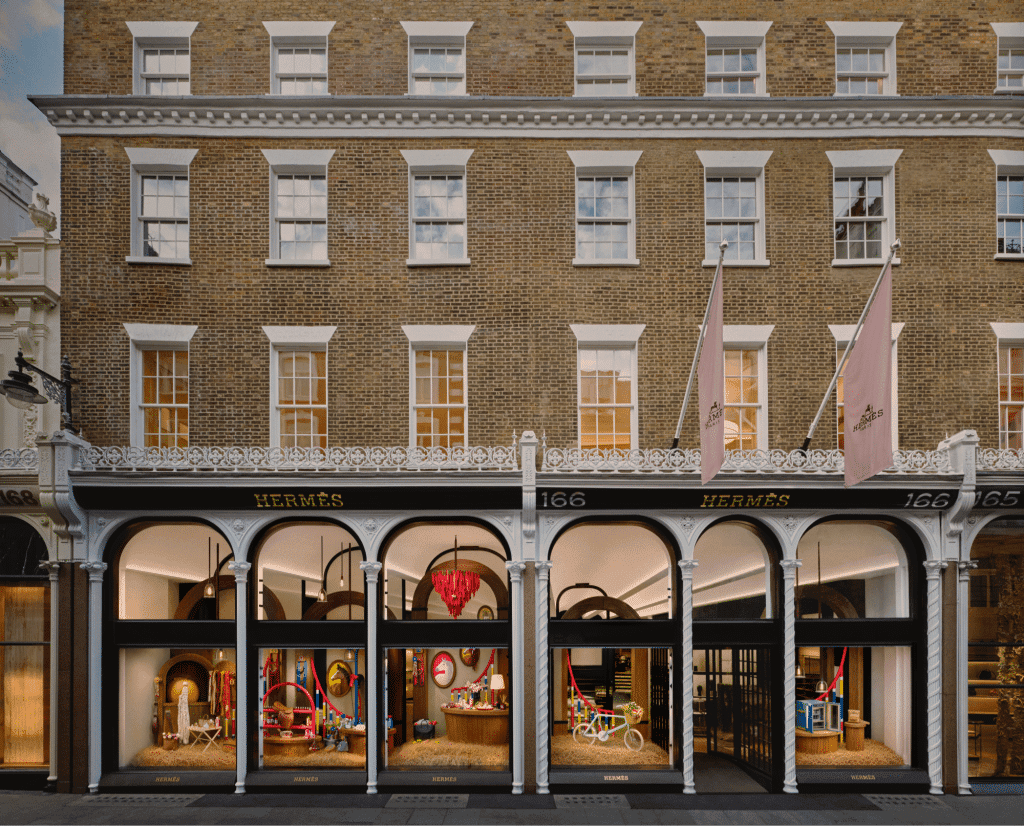
A fresh example of the former approach is the spectacular new Hermès Maison in London’s New Bond Street, which opened its doors on 16 June this year. One early visitor to the store is a familiar name to our readers: former Executive at Tiffany & Co. and Luxury Senior Advisor Fabrice Gautron.
After visiting the property, Fabrice spoke to The Insider to give his opinion on how luxury is currently adapting to an omnichannel world; and why brands should still go the extra mile to delight their VIP clients.
The Insider (TI): Fabrice, thanks once again for sharing your impressions with our readers. Let’s begin by talking about a luxury sector which – either willingly or by force – is embracing the omnichannel approach.
Fabrice Gautron (FG): Yes, despite years of predictions that luxury would never move online, high-value purchases have gone digital anyway. At the same time, the generation now entering the luxury world has grown up on social media; they live online, and they're shaped by it.
So the real question isn't ‘physical or digital’ anymore. Instead, we must look at what happens to the relationship with the client when so much of it now starts, and sometimes ends, on a screen? By the way, in recent McKinsey and Business of Fashion studies on luxury clients in the US and China, I found something that should reframe how we think about this: emotional connection is now the single biggest driver of brand desirability in both markets, far ahead of craftsmanship, heritage, even the logo itself. Clients aren't buying to display anymore. They're buying to feel understood.
Imran Amed, who runs Business of Fashion, put it sharply when he noted ‘luxury brands spent the last few years chasing the clients least affected by economic headwinds and, in doing so, lost touch with everyone else’. With that in mind, I believe desirability cannot be manufactured through price or scarcity; it has to be earned, market by market, client by client.
TI: We've seen something of a democratization of luxury in recent years, but the top clients, the VIP and VVIP individuals, are still of paramount importance. You work and have contacts with that clientele, so tell us more about the ethos of going the extra mile for them.
FG: Before I get into the VIP piece, I want to state something that I think underpins everything: at the end of the day, luxury doesn't compete on product anymore; it competes on experience. A bag, a suit, a bottle… all of that can be replicated, discounted, or shipped overnight from somewhere else. What can't be replicated is how someone feels while they're obtaining it.
You see this in the study findings I mentioned a moment ago. Emotional connection now outranks craftsmanship and heritage as the top driver of desirability. But you see it even more clearly in what brands are choosing to build.
TI: And it’s absolutely centered on the human-to-human interaction, right?
FG: This is where the very top players in luxury still have an ‘unfair’ advantage over almost every other industry, through their ability to make one person feel like the only person in the room. That doesn't happen through a personalization algorithm, although AI certainly has its uses in preparing for a client’s visit by collating useful information that will help in welcoming and surprising them when they arrive. Primarily, though, it happens because a human being remembered something about you, anticipated something you didn't ask for, or simply gave you their full attention for ten minutes.
What's changed is the scale at which brands are expected to do this. Clients now compare the attention they get from a luxury house to the attention they get from a five-star hotel. The bar has moved. The brands getting this right are the ones training their teams to treat every interaction, not just the big-basket ones, as an opportunity to build that kind of intimacy.
TI: At its core, omnichannel represents blend of physical and online retail – and like any blend the mixture must be right. What does good, and bad, look like for you in terms of putting physical and online channels in harmony?
FG: Well, the mistake a lot of brands made early on was treating e-commerce and the boutique as if they were competing for the same client. They are not, and actually they had to re-train or re-teach their staff who were thinking exactly the same way. Still a very common issue by the way!
The online relationship, i.e. browsing, following, engaging with content, is where the desire is qualified. The brand then learns what someone is drawn to, what they hesitate on, what stage of the relationship they're at. The boutique, or the hotel, is where that desire becomes real, where it's confirmed, deepened, and often converted into loyalty that outlasts any single purchase or stay.
Éric Briones, who I had the chance to speak with during a conference, has been one of the most consistent voices on luxury and digital in France. He made a point I keep coming back to: brands need a coherent, harmonious experience across every channel – physical boutiques, websites, social media, etc. – which blends traditional craftsmanship with technological innovation. The channels aren't separate battles; they're one continuous conversation with the client, just conducted in different rooms.
TI: What role does demography play in all this, thinking in particular about the younger generations who’ve grown up in a digital world?
FG: Éric has a nice way of describing what younger clients are actually looking for; what he calls the ‘desire prism’: emotion, virality, resilience of the house over time, money seen as cultural investment rather than pure status, positive impact, and – the one I think matters most for this conversation – intimacy. He defines intimacy as exclusivity redefined around personal relationship and experience: literally, ‘what money can't buy’ as a kind of mantra in luxury.
It seems basic, and we have been talking about this mantra for years, but let’s be honest; while this is usually well executed during events – I was amazed, for example, at what Golden Mama implemented for an Audemars Piguet event – it’s not so much ‘in place’ for regular interactions with clients. And it should be; it's the piece no algorithm can fully deliver.
Between you and me, I would completely agree with what Eric insisted on in a piece for Influencia back in May when he takes this notion even further. It’s something I can see when working with brands. In his article, he argues that the sector is coming out of what he calls a dissonance crisis, prices detached from perceived value, scarcity that's lost its mystery, brands everywhere but felt nowhere, largely self-inflicted by chasing the ultra-wealthy while letting the aspirational dream that actually built the industry wither.
His read on how to escape this crisis is that houses stop selling a memorable moment and start accompanying a life trajectory, closer to an architect of someone's potential than a maker of objects. For me, a client you help transform doesn't just buy from you again, they hand you something more personal than a purchase.
TI: We can't really talk about omnichannel without talking about data – in terms of both collecting it and using it. Data-driven personalization is seen by many as a bit of a holy grail for brands, how useful do you regard it, and in what ways?
FG: The online relationship generates an enormous amount of signal, which, used well lets a brand personalize outreach, recommendations, even the way a store team prepares for a client's visit before they walk in. That's a real and growing advantage. But there's a limit which we must also be honest about: data can tell you what a client is likely to want. It can't tell you how to make them feel something. That's still a human skill. We’re talking here about reading a room, sensing hesitation, knowing when to step back instead of pitching. The brands that get this balance right use data to prepare the human moment, not to replace it. Technology is very good at qualifying what a client needs. It's still people who create the desire to buy the product or to consume the hospitality experience.
TI: So there are definitely limits to what technologies such as AI can contribute to the luxury sector?
FG: Yes, and we have a live example of this worth mentioning. NSS Magazine reported in August that Hermès had handed the visual redesign of its website to illustrator Sarah Martinon, who created hand-drawn paper illustrations which were later animated by Armand Béraud. It took months to illustrate every section of the site that way, as opposed to using generative AI, which could have produced the same visuals in a fraction of the time. It goes past the graphics too: Hermès still won't hand customer service to a chatbot. The site ends up functioning as a real digital extension of the boutique rather than a separate, faster-moving channel.
TI: So, from a career perspective, we can say that luxury remains relatively ‘AI proof’ then?
FG: I think that’s fair, and in terms of actual numbers we saw this different approach in last year’s Comité Colbert/Bain & Company study of European luxury houses, which included Chanel, Hermès, LVMH, Richemont, Longchamp, among others. The report found that luxury spends 40% of its transformation budget on the client relationship, well above the 32% and 36% seen in retail and consumer goods generally, but only 21% on enterprise data and AI, versus 26–36% elsewhere.
In other words, the sector already puts its money where the human relationship is. The study also found 60% of houses plan to raise their tech budgets over the next two to three years, with much of that going toward data and AI specifically to support higher-end personalization, not to replace the relationship piece. So yes, data prepares the human moment rather than being a substitute for it.
TI: Let’s get back to the ‘real world’. We are speaking in London and, while you have appointments with clients, one thing I know you were impatient to do is visit the new Hermès Maison. Tell us more about what you found in your exploration of the store and what you think it means to the wider luxury sector.
FG: Let’s first recount a few facts and figures about the project, because these say something about the brand’s intent. Indeed, The Maison is the result of a 17-year project, since Hermès bought the freehold back in 2009, and, as we know, it replaces both the old 155 New Bond Street store and the Selfridges concession. So it's a consolidation of the brand's entire London presence into one address.
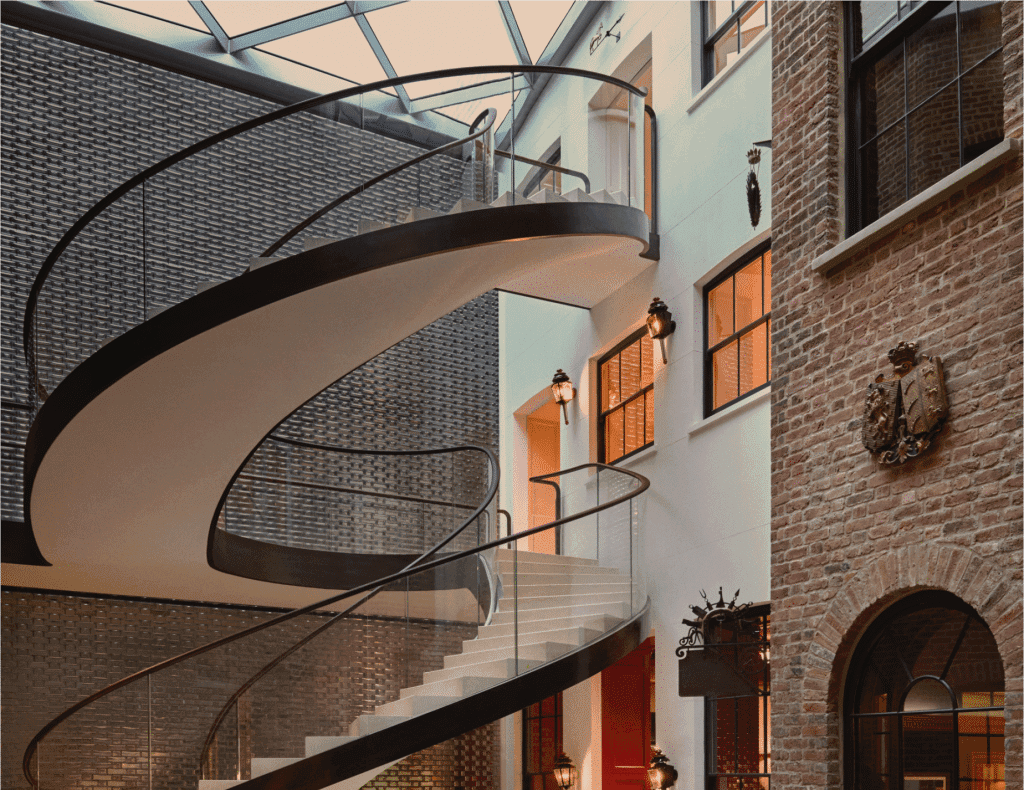
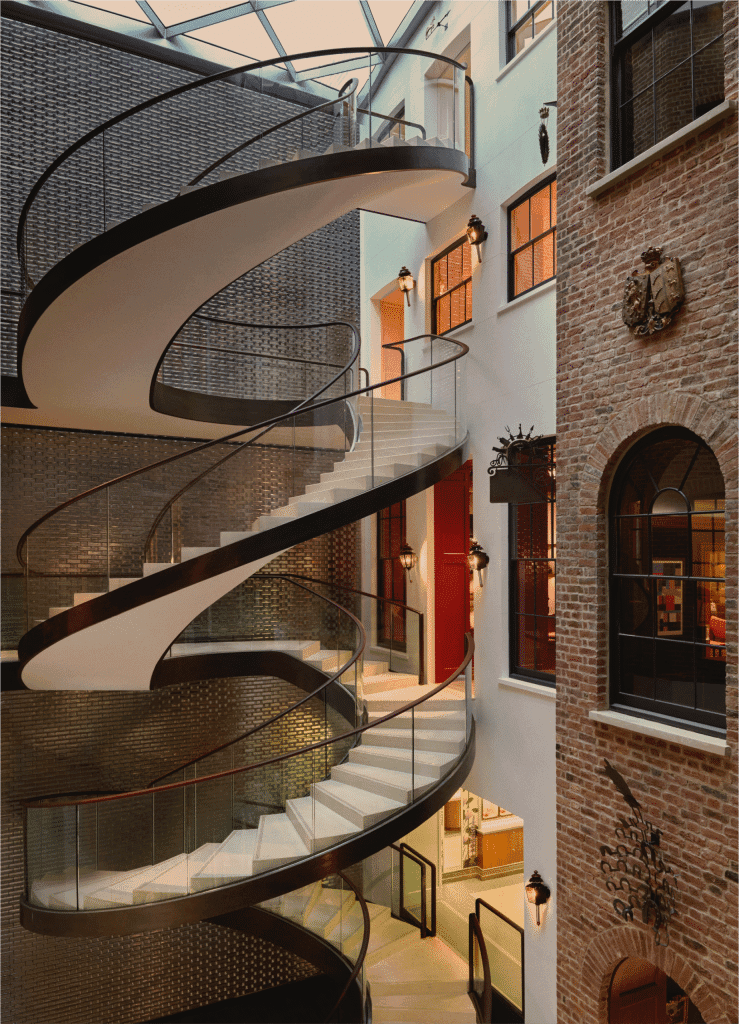
In fact, I remember having visited this building not long ago, while the jeweler Asprey was in the premises; what I find amazing is the overall architectural feat: at its heart are six Grade II-listed Georgian houses – I think this is a never seen before concept! It spans nearly 2,000 sq. m and contains 55 rooms. The atrium and stairs - a genuine masterpiece – have been designed by Foster + Partners. Staircases are a Hermès differentiator if you are used to their stores, but this one is stunning!
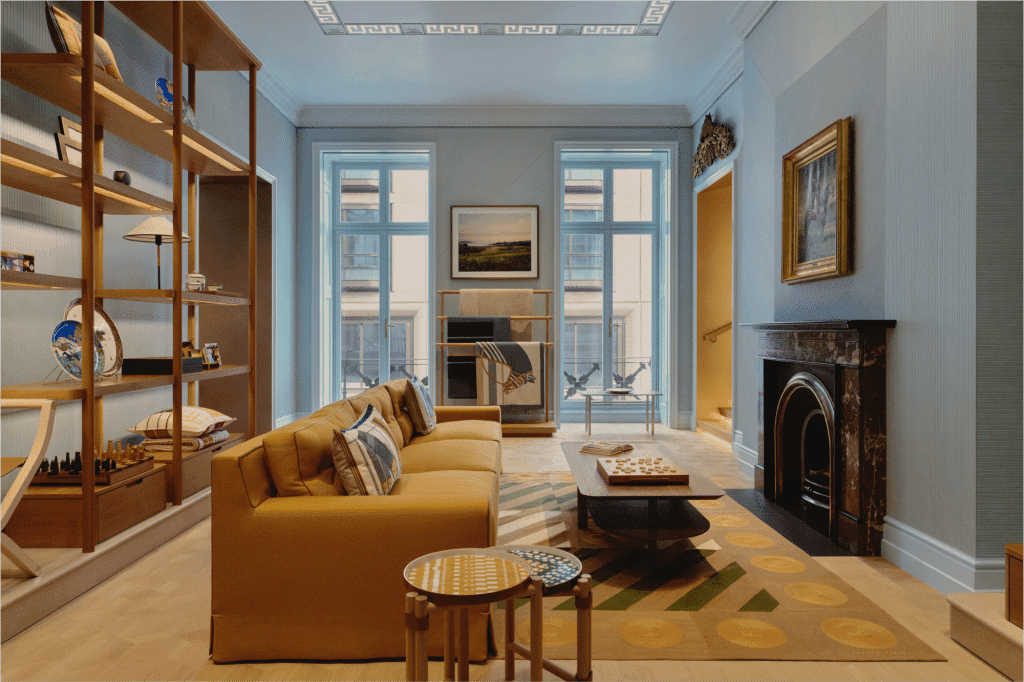
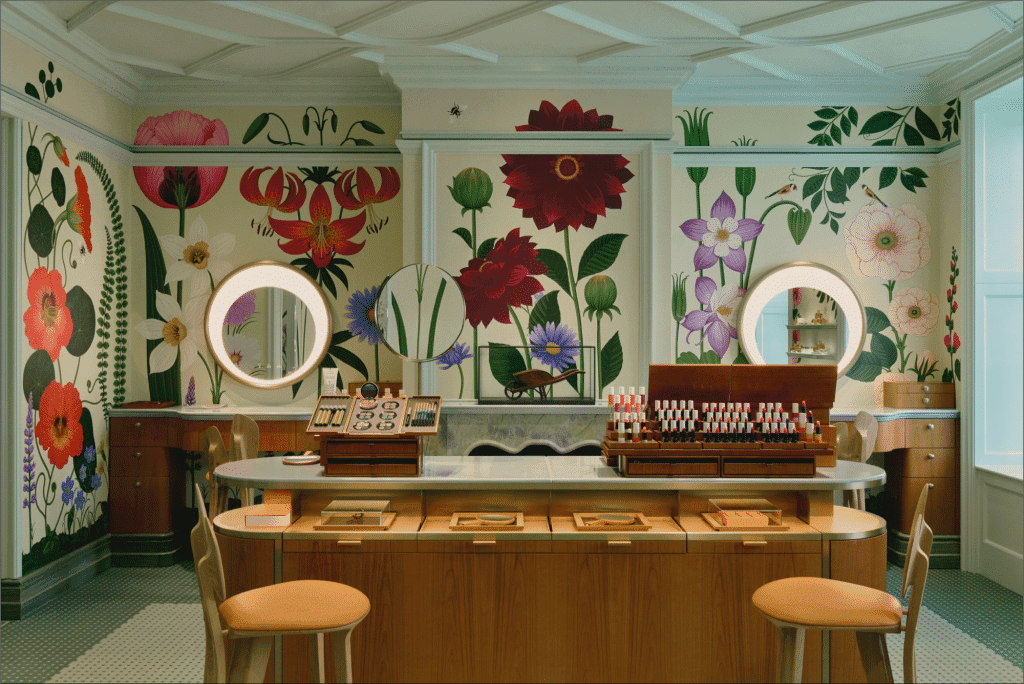
Inside there are hundreds – I think I was told more than 500 – works of art, curated with artistic director Pierre-Alexis Dumas, giving the space the feeling of being almost like an exceptional private residence rather than a retail parade.
TI: An extraordinary undertaking in every respect – and definitely a statement of intent by Hermès!
FG: It's no accident that the brands doing best right now are still pouring money into flagship stores, even as digital sales grow. A flagship isn't a point of sale anymore, it's proof. It's the physical demonstration of everything the brand promises online.
What I find telling about this particular project is the deliberate refusal of what one could call ‘commercial spectacle’. Each room has its own character, a succession of discoveries rather than a display of collections like you usually see, unfortunately, with many brands. That's a strong statement in itself: at a moment when everyone assumes flagships need to be louder to compete with digital, Hermès went the opposite way: quieter, more intimate, more like being received in someone's home.
Just so that one captures even more the luxury experience, should you wish for some refreshment, there is no formal bar service. Your Sales Ambassador will take your order on his or her mobile device and you will be directed into ‘your room’. That is Hermès’ own definition of luxury, very different from many, many other flagships where there is almost always a bar and restaurant area.
TI: And perhaps another example of the luxury-hospitality crossover we’ve spoke about before?
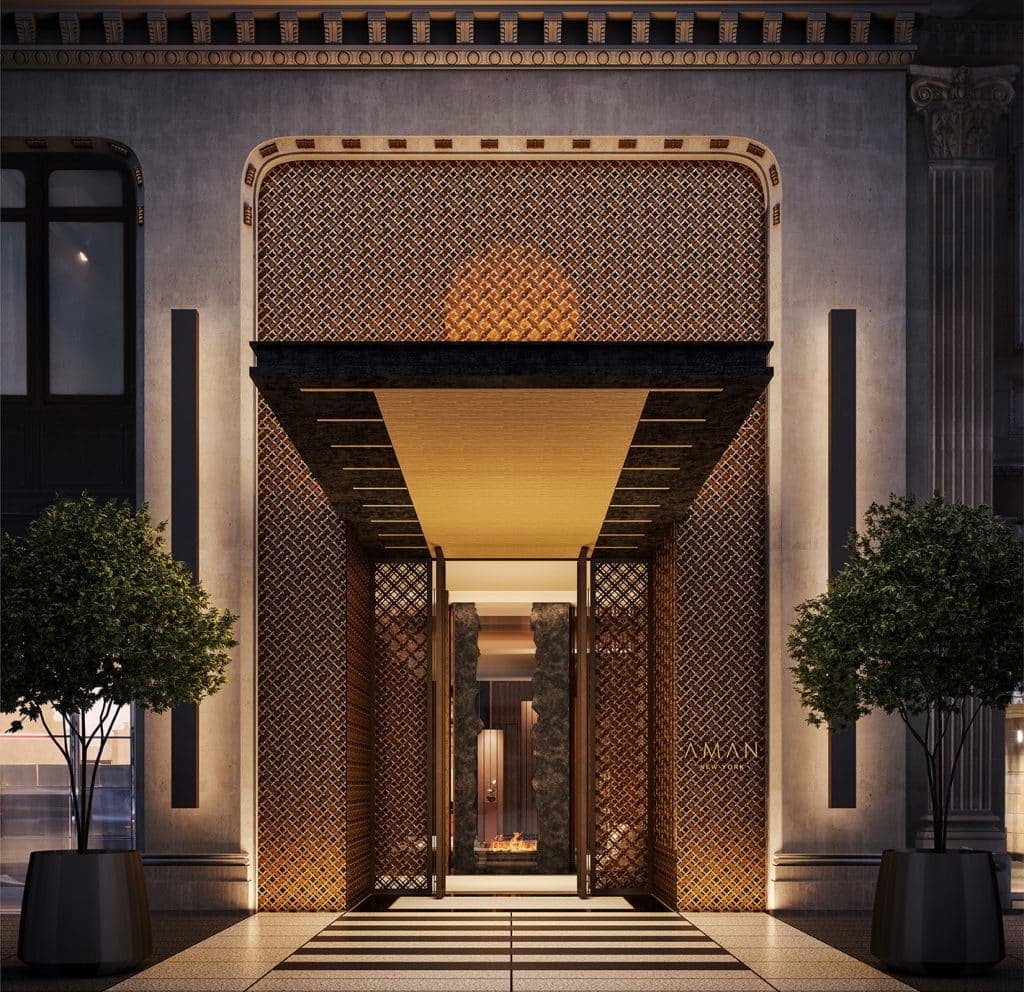
FG: From what I recall from my last trip to New York, the Aman hotel there makes the identical bet, one industry across. There's no showpiece entrance at street level, just a small, easy-to-miss plaque (see photo). The lobby isn't even at ground level, it's on the 14th floor, so arrival becomes a threshold guests have to earn rather than a window they walk past. It’s the same underlying logic as Hermès Bond Street: withholding spectacle reads as more luxurious than performing it.
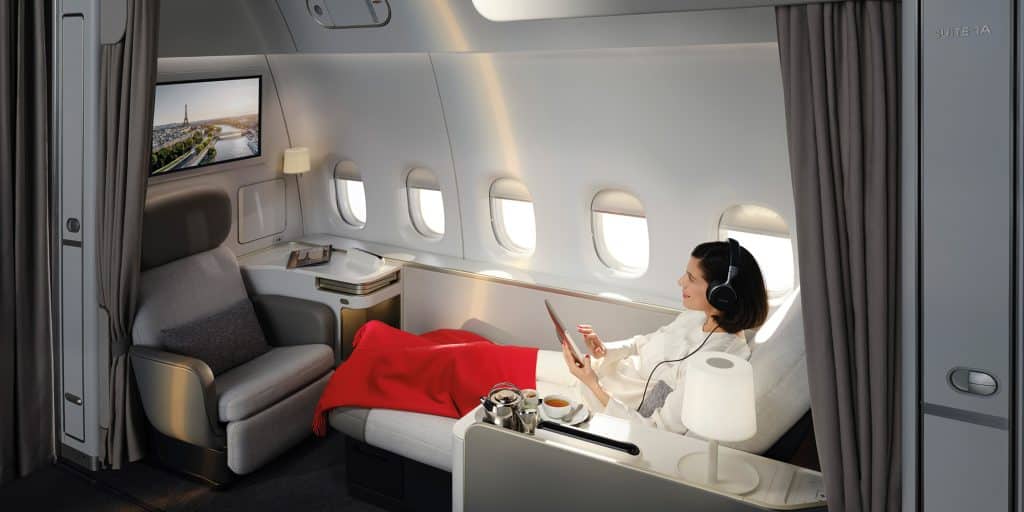
What struck me even before setting foot inside the Hermès Maison is that a store like this isn't built to move volume. It's built to be unforgettable enough that the online relationship you had with the brand for months suddenly becomes real, physical, personal, in the space of one visit. The way it has been designed – and here I cannot talk about the private top floor – makes it so intimate, so personal, it is a true one-to-one with a Brand Ambassador. This feels almost like the same treatment you get when you travel on Air France La Première, with the Roissy Charles-de-Gaulle La Première Salons totally yours, a succession of small spaces, designed uniquely. Welcome home!
One more thing I just want to mention here: it’s Axel Dumas, who said luxury today runs on wealth, not income. Financial performance follows the desire, it was never supposed to be the starting point. A flagship like Bond Street fits that thinking. It is not there to sell faster, it's there to feed a desire that generates the performance later on.
TI: Let’s talk a little about what this evolving luxury landscape means in terms of the leadership role, something that I know you are familiar with. What does it take to be a successful leader in luxury today?
FG: From my contacts with brands and their leadership teams, I would say for sure that leading a luxury organization right now means holding several transitions at once: channel, generation, and the very definition of exclusivity. My own experience of running current interim assignments and advisory in international premium and luxury retail organizations taught me that the instinct to control everything centrally is exactly the wrong instinct here. The local team, in the boutique, in the hotel, closest to the client, needs enough trust and enough training to make judgment calls that no headquarters playbook can fully anticipate.
I know that someone reading this might think ‘yes, thanks Fabrice, we know this!’. But still I see so much centralization… and I just don’t understand it.
A useful hospitality parallel here concerns One & Only Resorts, which uses a single wordless gesture, hand over the heart, at every resort worldwide, from the Maldives to Dubai to Rwanda. What makes it relevant to my point is that Kerzner didn't try to script the moment. They ran a global embedding program across every General Manager and more than 9,000 staff to instill the underlying value, then trusted local teams to express it their own way.
It’s the same bet that many luxury brands are making within their physical stores: train the instinct, not the script, and let the boutique decide the rest.
The leaders who will do well over the next few years are the ones who treat digital and physical as one team with one goal, rather than two departments competing for budget and credit.
TI: And lastly, I cannot let you go Fabrice without seeking your insights on trends for the rest of 2026 and into next year. How do you see the luxury market performing in the upcoming period and what are the key factors behind this view?
FG: The industry is coming out of a prolonged slowdown, with growth now projected at a more moderate 4% to 6% a year through 2030. So …clearly slower than the high single-digit growth rates – and in some sub-sectors low double digits growth – of a few years ago. Actually since almost 20 years!
Looking ahead, I would point to two trends that are especially worth watching. First, spending is shifting toward experiences, notably travel and with particular interest in longevity – in fact, we could do a whole piece just on that latter segment, how luxury approaches this theme! As a result, the money is moving away from products, with clients increasingly resistant to price increases that aren't backed by real product innovation. That hits the aspirational client hardest and it's exactly the client segment brands neglected while chasing the ultra-wealthy.
Second, the brands that may win the rest of this year and into 2027 won't be the ones doubling down on artificial scarcity. They'll be the ones that rebuild a genuine relationship with the client in the middle: neither the ultra-wealthy nor the passive spectator. That client has been underserved and re-engaging them, one relationship at a time, is where I think the real growth sits.
If there's one thought I'd like to leave you with, it's the one with which I opened our conversation. The product was never really the product. The experience was. Every Maison and every Hotel Group I've mentioned today is making some version of the same bet: that in a world where anyone can copy an object, no one can copy how you made someone feel.
That's not a trend to react to. It's the actual job.
• For more Insider insights from Fabrice Gautron, click the following story links:
Is retail expertise becoming a stronger currency in hospitality?
Be brave: why managerial courage matters in the modern workplace
The luxury-hospitality crossroads – part 1: the consultant’s view
Photo credit
All Hermès Maison images ©Hermès / Photography: Valérie Sadoun
You cannot get closer to the business of luxury
Created to provide a pathway to senior roles in luxury, the MSc in Luxury Experience and Brand Management encompasses all major components of the luxury industry, from fashion design to fine dining. The comprehensive curriculum delivers a career-oriented learning experience that combines luxury brand management, customer experience, business strategy and practical industry application.