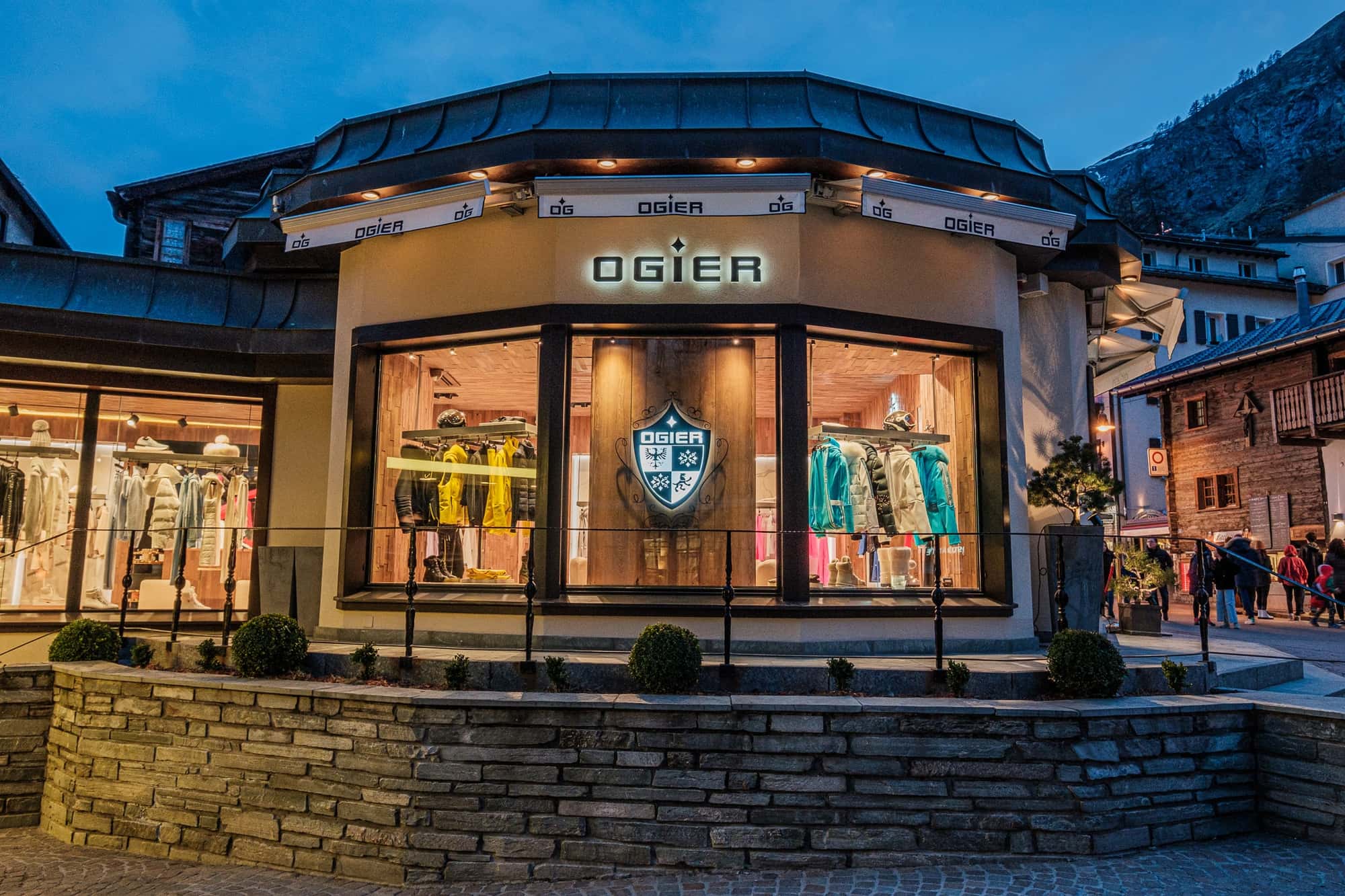
Scarcity, heritage and craftsmanship, the traditional markers of luxury, are being tested by globalisation, digital visibility and a new generation of consumers who value experience as much as prestige.
Today’s luxury brands are under pressure to grow and innovate without losing what made them desirable in the first place. That’s where luxury brand management comes in.
This discipline sits where branding, product development and customer experience meet. It requires good market research, deep cultural understanding and a commitment to preserving value in an increasingly saturated space.
For students exploring careers in fashion or hospitality, mastering the core principles of luxury management can unlock opportunities across a wide range of luxury lifestyle industries.
Why exclusivity matters in the luxury market
A product is perceived as premium because of its sense of rarity, the attention to detail that’s gone into it and emotional appeal, all qualities that set it apart. That’s why managing brand exclusivity is critical to maintaining long-term value.
In the context of the luxury industry, exclusivity drives desirability, which sustains brand identity. When everyone can access a product or experience, it no longer feels exclusive, even if the price tag remains high. Once exclusivity is compromised, it’s difficult (and expensive) to regain.
Take Louis Vuitton, for instance. Its decision to limit the number of handbags customers can purchase each year was about maintaining mystique. That’s a classic example of supply control reinforcing brand value in the luxury goods market.

Key strategies for luxury brand management
So, how do brands maintain their edge in this fast-moving, hyper-competitive market? Let’s look at some core strategies shaping luxury brand management today.
Premium brand positioning
This strategy refers to where your brand sits in the consumer’s mind. Premium brand positioning is defined by perceived value and product features. In luxury brand marketing, perception is everything, so this strategy involves tightly curating brand experience across digital, physical and emotional touchpoints.
The concept of ‘quiet luxury’ is a great example. Think Loro Piana or The Row. They cater to discerning consumers who value understated elegance over obvious branding. This approach speaks volumes to those targeting high-net-worth individuals who don’t need to show status, since they live it.
Niche marketing strategies
In a saturated market, going broad often means going bland. Many luxury brands now favor niche marketing strategies focusing on smaller, more defined market segments.
For example, Aman Resorts is a luxury hospitality brand and a wellness escape for ultra-wealthy travelers seeking privacy and personal transformation. This refined targeting builds deeper engagement and strengthens the brand’s market position.
Students studying fashion and luxury brand management frequently examine how market segmentation and targeting drive product differentiation and strategic messaging.
Supply control and limited editions
One of the most powerful tools in a luxury brand’s arsenal is scarcity. By deliberately restricting supply, brands create anticipation and elevate desire. Supply control in luxury markets is about meeting demand and shaping it.
This can take the form of:
- Limited edition product releases
- Geographic exclusivity (only available in select markets or boutiques)
- Personalized buying experiences (e.g., by invitation only)
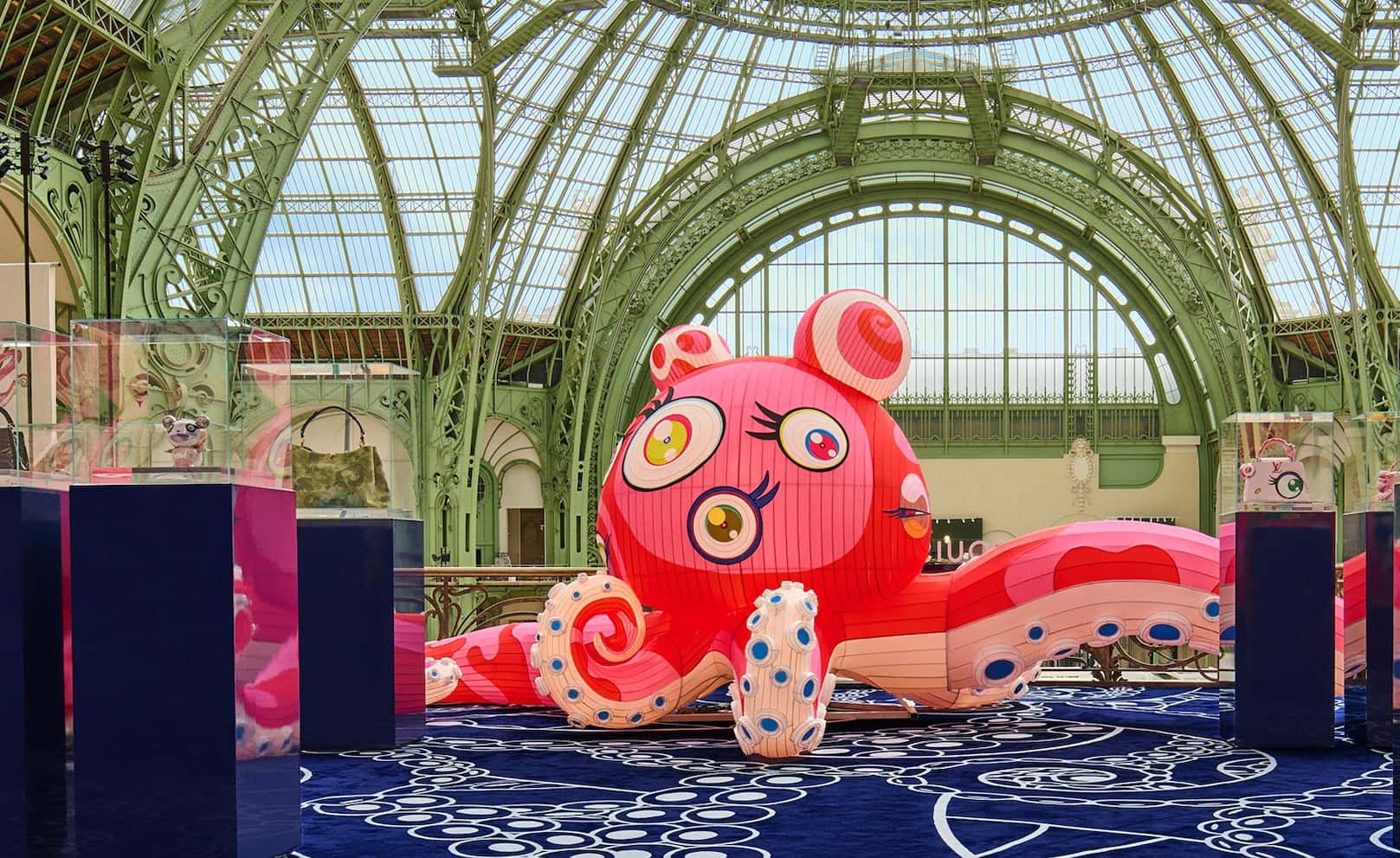
Luxury watchmaker Patek Philippe famously restricts production volumes, ensuring demand always exceeds supply. Meanwhile, limited edition marketing strategies such as Louis Vuitton’s artist collaborations inject urgency and buzz without eroding long-term brand equity.
These types of marketing campaigns are carefully orchestrated and often studied in luxury brand marketing and management degree programs as examples of strategic exclusivity.
Counterfeit brand protection
With desirability comes risk. Counterfeiters are quick to imitate successful luxury products, threatening brand reputation and customer trust. Luxury goods, particularly clothing, footwear and leather items, make up a large proportion of global counterfeit seizures.
According to the EUIPO and OECD, counterfeit and pirated goods accounted for around $467 billion in global trade in 2021, roughly 2.3% of all world imports. And with most fake goods now distributed through small parcels and e-commerce platforms, brand risk is increasing.
Some brands are investing in blockchain-backed authentication, unique identifiers and traceable supply chains to fight back. Others work closely with customs and law enforcement agencies to track and remove fakes from circulation.
But the most effective weapon against counterfeiting is brand education. Loyal customers who understand and value authenticity are far less likely to fall for knock-offs, especially if they’ve experienced the real thing in an immersive, high-touch luxury retail setting.
It’s one reason why brand strategy and customer relationship management are now essential components of luxury management education.
Brand heritage preservation
Storytelling is at the heart of luxury. A compelling narrative, often rooted in a brand’s history, is key to maintaining long-term allure. Whether it’s a founding family, a legacy of craftsmanship or a pioneering philosophy, brand heritage preservation builds emotional resonance and consumer trust.
Maintaining heritage is about anchoring innovation in identity. Brands such as Rolls-Royce and Hermès have successfully embraced new technology and customer expectations without losing their timeless appeal.
Growth without dilution – is it possible?
The ultimate goal of luxury brand management is growing a brand without sacrificing prestige. It’s a tricky challenge: scale typically requires greater visibility and accessibility, which risks undermining exclusivity.
One answer is to focus on luxury brand value creation. Build the brand’s long-term worth rather than chasing short-term sales. This includes expanding through:
- Experiences (pop-up galleries, immersive events)
- Brand extensions (fragrance, accessories and hospitality)
- Selective partnerships (capsule collections or co-branded ventures)
Luxury goods companies are developing omnichannel marketing campaigns and digital communication strategies that preserve brand mystique while building new customer relationships.
Consider how Bulgari moved into the hospitality space by launching Bulgari Hotels & Resorts. The brand extended its DNA of design and exclusivity into a new vertical, engaging consumers in a fresh but coherent way.
This blurring of luxury and lifestyle echoes the approach taught in hospitality degrees at institutions such as Glion, where students explore managing growth without compromising authenticity.
Managing the luxury product lifecycle
Instead of frequent updates and mass production, luxury products follow longer innovation cycles, supported by storytelling and symbolic value.
Understanding the luxury product lifecycle allows brands to plan when and how to introduce new collections, refresh icons or retire lines to maintain prestige.
Lifecycle planning is also important when considering resale value. A luxury product that holds or grows in value over time, such as Rolex watches, reinforces the brand’s standing among collectors and first-time buyers. According to a McKinsey & Company report, the luxury resale market is growing four times faster than the primary luxury market, further fuelling brand equity in long-lasting products.
This kind of planning is essential to professional development for aspiring luxury brand managers. Understanding customer behaviors, inventory management and long-term brand development is as critical as creativity in this space.
The high-net-worth consumer
If targeting high-net-worth individuals, it’s important to understand their motivations. They expect flawless service, hyper-personalization and a subtle combination of tradition and innovation.
For many luxury customers, exclusivity comes from experiences as much as products. It’s the curated invitation, the behind-the-scenes access and the connection to artistry or heritage. As expectations shift, luxury brands must master emotional engagement across every touchpoint.
This is where hospitality thinking intersects with brand strategy. Delivering a superior customer experience has become a key differentiator. It’s why hospitality-trained professionals are increasingly valued in luxury retail, brand management and customer service roles.
“Premium means pay more, get more in functional benefits. Luxury is elsewhere: it signals the capacity of the buyer to transcend needs, functions or objective benefits. This is how luxury brands are different from premium or super-premium brands: beyond the experience they bring creative power, heritage and social distinction.” ― Jean-Noël Kapferer, The Luxury Strategy: Break the Rules of Marketing to Build Luxury Brands
What hospitality students can learn from luxury brand management
The high-end hospitality industry is one in which traditional boundaries are fading. Hotels, fashion houses, automakers and jewelry brands now compete on experience. As a result, the skills required to succeed are shifting too.
Luxury brand management offers students insight into:
- Storytelling and brand heritage preservation
- Strategic pricing and premium brand positioning
- Digital transformation without compromising exclusivity
- Global operations with supply control in luxury markets
- Building and protecting brand equity in luxury
- Managing brand image through social and digital media
- Creating communication strategies for luxury customers
In Glion’s Bachelor in Luxury Business, students gain hands-on experience through consulting projects, academic research and simulated campaigns, helping to bridge the gap between classroom knowledge and real-world industry expectations.
For those interested in fashion and luxury brand management, the program also includes opportunities to examine the luxury goods industry, study the evolution of marketing in luxury and explore distinctive career paths in brand and product development.
Those looking to specialize further should consider the Masters in Luxury Management, which provides an advanced understanding of how luxury, consumer psychology and global brand strategy intersect. This program offers pathways to career advancement in luxury marketing, retail development and international brand consulting.
The future of luxury: balancing growth with meaning
Values-driven branding, sustainability and community engagement are all becoming part of the conversation in the luxury world. Today’s consumers are seeking craftsmanship and conscience. They want brands to show integrity, not just exclusivity.
This shift influences everything from luxury goods management to product development, prompting companies to rethink how they source, promote and position their collections. The next generation of luxury brand managers must apply business logic and emotional intelligence, understanding customer expectations while championing transparency, ethics and cultural nuance.
Future leaders in this space will need strategic insight and creativity. They'll need to know how to use data to track customer behaviors and how to anticipate guest needs. They’ll need to interpret market trends, understand global dynamics and know when to say no to growth to preserve prestige.
Whether you're working in the fashion industry, hospitality, design or retail, the lessons of luxury brand management offer insights into building trust, desire and loyalty. It’s a dynamic field with growing career opportunities, particularly for students and professionals pursuing luxury brand marketing, fashion and luxury retail management or consulting roles in luxury goods industries.
Key trends shaping the next chapter of luxury
The idea of opulence and grandeur has evolved beyond aesthetics and become something more purposeful, personal and intelligent. The following six trends are shaping how brands grow without losing their edge and they’re central themes explored in many luxury management programs.
Purpose-led branding
Modern luxury consumers expect style and substance. Purpose-led branding means standing for something bigger: ethical sourcing, social change or environmental responsibility. It’s no longer enough to look good; brands must do good too. Purpose builds trust, strengthens brand identity and attracts value-driven customers.
Hyper-personalization
Today’s buyers want an experience tailored to them. Hyper-personalization combines data, technology and service to deliver curated journeys. Whether it’s a custom handbag, a tailored travel itinerary or targeted social media content, the future of luxury feels individual, not mass-produced. As a result, the ability to develop and implement hyper-personalization strategies is increasingly valuable in luxury brand marketing and digital strategy roles.
Digital craftsmanship
From immersive brand stories and NFTs to virtual try-ons and gamified loyalty programs, brands are using tech to create new expressions of exclusivity. This is all about enhancing what can exist with digital precision and creativity.
Sustainable sourcing and circular design
Eco-consciousness is now core to luxury. Brands are embracing circular models, ethical sourcing and repair services to extend product life. As resale markets surge, creating timeless, durable luxury goods is becoming a branding strategy and a sustainability commitment. Understanding these concepts is essential for students preparing for careers in luxury goods management or sustainable product innovation.
Cultural fluency
Cultural fluency is about respecting and reflecting regional values, from product design to storytelling. Brands that collaborate with local voices and conduct thorough market research win trust and avoid missteps in diverse markets. Cultural fluency is increasingly emphasized in courses on global brand strategy and international luxury business development.
Quiet luxury and brand discretion
Noise and brash branding are out; quiet luxury favors minimalism, craftsmanship and heritage over bold logos. For brand managers and executives, restraint is becoming the ultimate power move.
Conclusion
Luxury may have evolved, but its essence remains the same: aspiration, artistry and emotional connection. In a market where visibility is high and attention is fleeting, exclusivity is a key discipline. Future brand leaders must know how to grow while holding onto what makes their brand rare, meaningful and attractive.
That’s where luxury brand management earns its value. It’s about perception, positioning and purpose. Whether you’re building a career in luxury fashion, hospitality or lifestyle, understanding how to protect and grow a luxury brand’s identity is a necessary skill. It’s also a pathway to distinctive roles in luxury marketing, consulting and brand management, each offering rich potential for professional development.
If you’re ready to lead with purpose and precision in the luxury sector, Glion’s Bachelor’s and Masters in Luxury Management offer the training to match your ambition.