I’ve just checked out of the citizenM in Geneva, and I was so impressed with my hotel experience.
It’s not so surprising as my previous travels took me to (almost) the center of continental USA, in Kansas. It was a road-trip that involved staying at multiple properties along the highways which are aligned with the large American franchise chains. The properties are so homogenous, lack brand standards, and can only attract the customer based on price as there are little differentiating USPs (unique selling points). It’s a race to bottom and there are already multiple properties that have ceased operations littering the highways.
The Americans like to use the term ‘lodging’ when referring to the hotel sector, and at least they’re being honest and not pretending it’s hospitality. There is no amount of generosity, no warm welcome, or any sense of identity. It is simply ‘lodging’ and nothing more. It stands to reason that an offering such as citizenM is the warm welcome I’d expect, and David in guest services, and others in the team, really extended the perfect experience.
I cannot fault the product but when completing the post-stay guest survey I was presented with the question “does our ‘affordable luxury’ live up to your expectations?”, and this is where my conflict begins.
Many of my Glion students, past and present, know that I struggle with the term ‘affordable luxury’ as, surely, it’s an oxymoron. Moreover, all luxury industries, but particularly fashion and hospitality, seem to be obsessed with qualifiers such as ‘ultra-luxury’, ‘luxury-lifestyle’, or ‘new-luxury’, as some examples, and they all leave the customer wondering, “is it luxury or not?”.
Swiss luxury
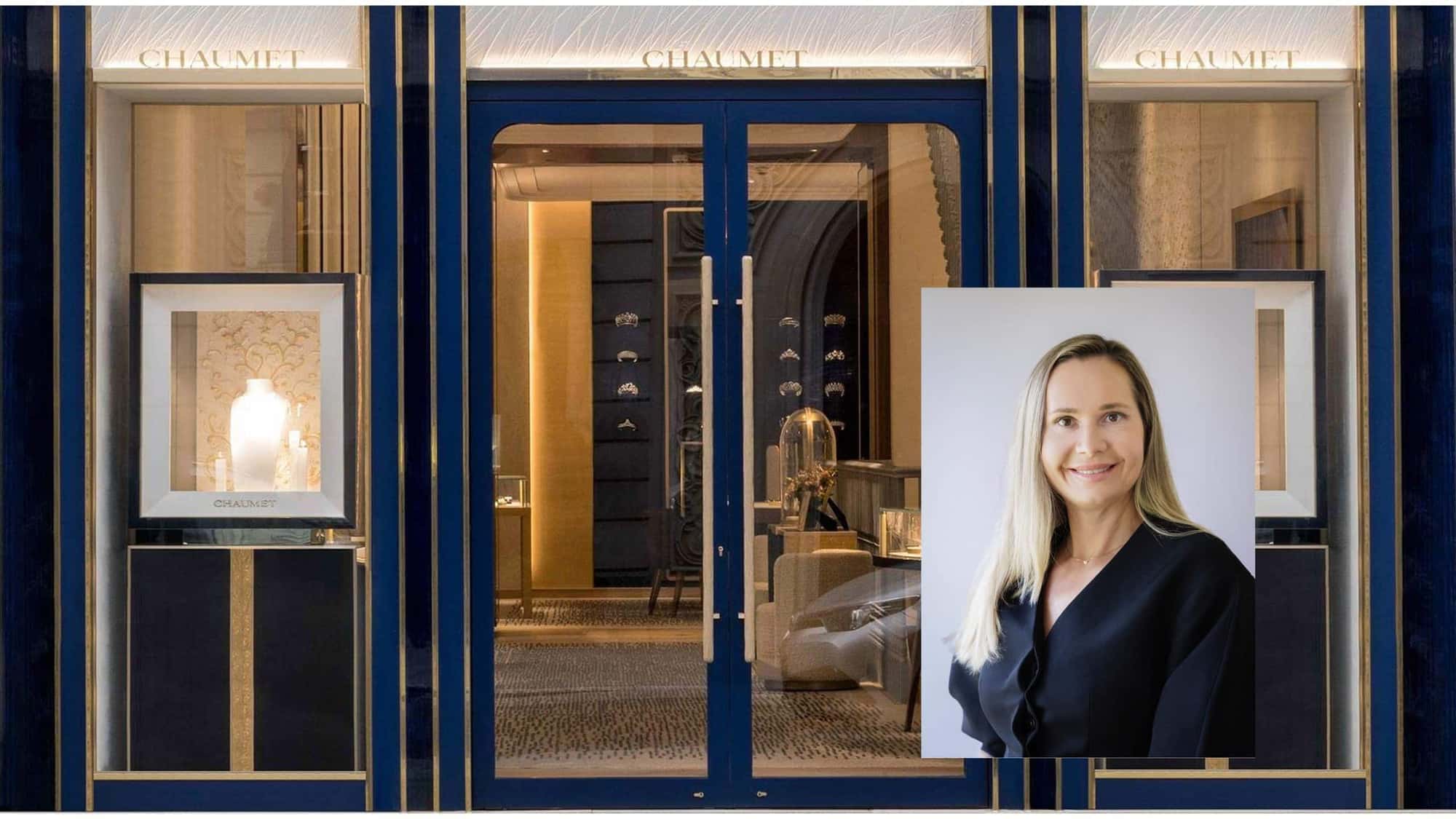
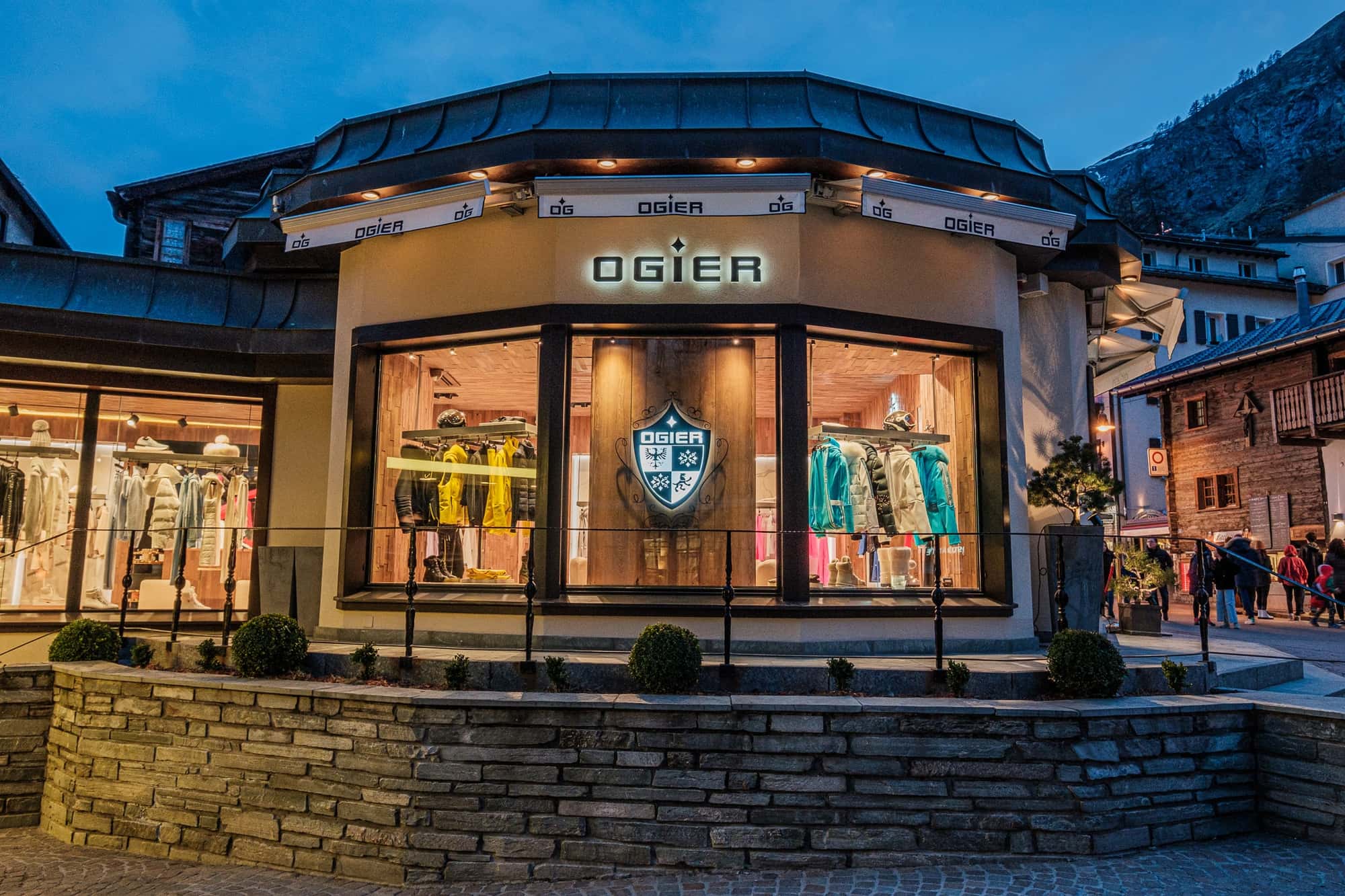
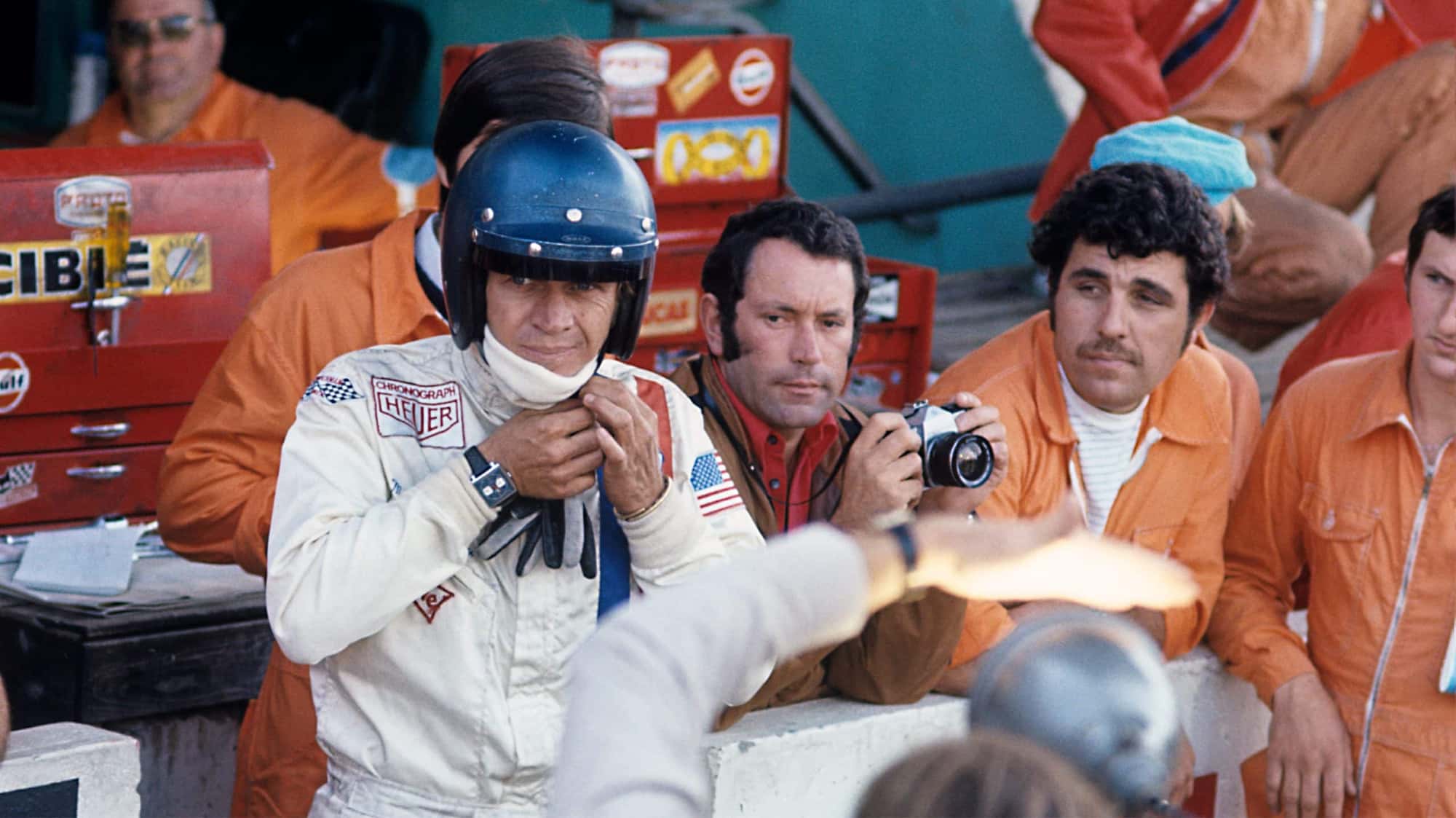
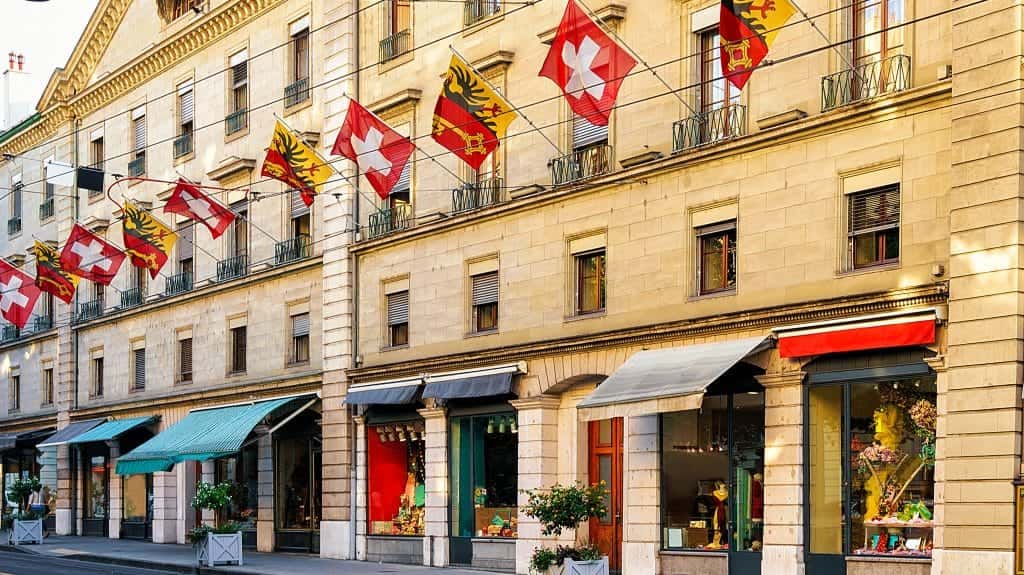
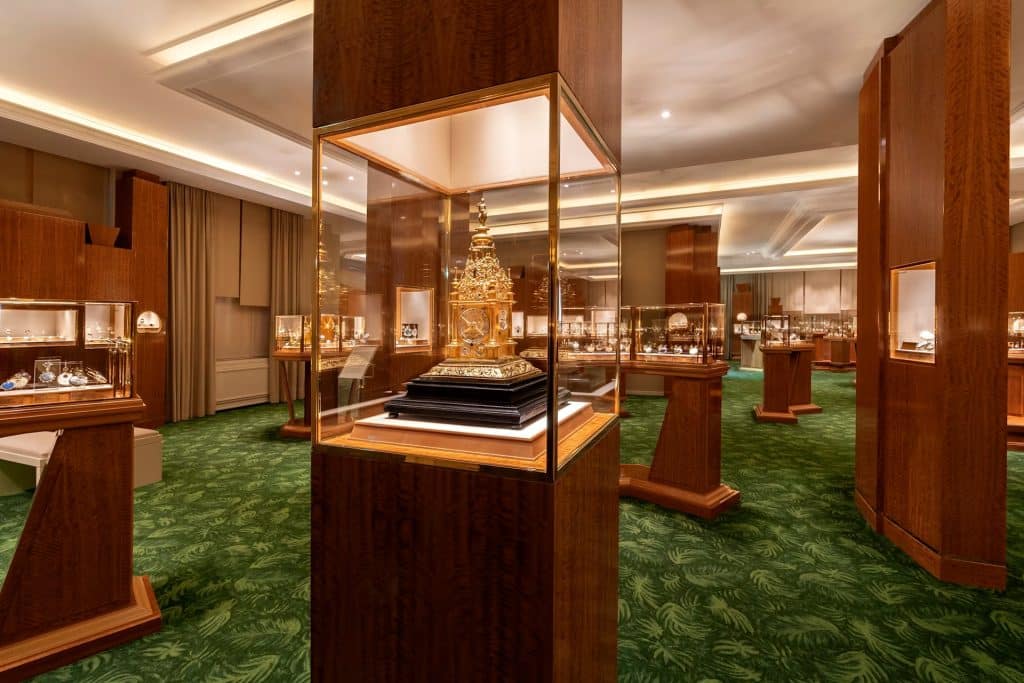
When you’re in a city such as Geneva that seems to have luxury watch brands on every street corner (not to mention the amazing Patek Philippe Museum), luxury cars are everywhere, together with exquisite luxury hotels, and luxury fashion, you start to ask yourself what does ‘affordable luxury’ actually mean?
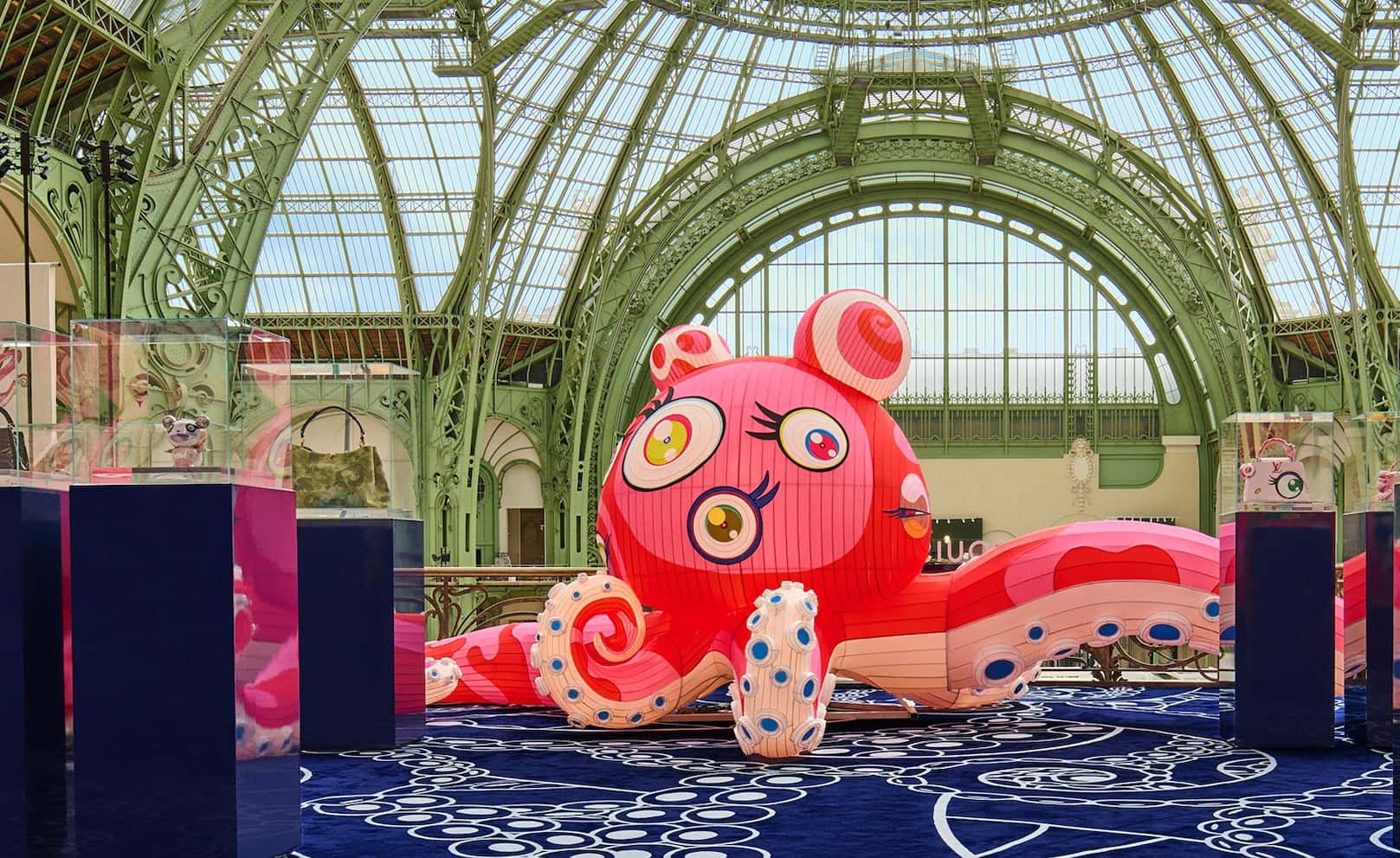
Over the years the fashion houses have wanted to attract younger audiences and welcome them into their brands or capitalize on the expanding middle class ‘excursionist’ from emerging markets. Part of their strategies have been to develop lower end merchandise for these consumers, thereby democratizing their brands and making them more accessible to the masses.
Too many extensions?
There’s always been lower end merchandise to entice the ‘fans’ into the brands, and perfume is a great example of this, but in recent years the focus has shifted to a glut of affordable brand extensions, and this has become synonymous with the core of many of the brands rather than the true luxury at the top of the pyramid.
It’s a slightly different story within the hospitality sector and that’s mostly due to the difference in consumer behavior relating to tangible goods versus intangible services. The consumer buying and decision process for hotels begins online and often includes search terms. Business can easily identify what people are typing into search engines, and one of the most common search terms for hotels is (you guessed it!) luxury. So, to attract potential customers, compete in a very crowded marketplace, and drive traffic to your website, you’ll use the most common search terms.
Now, of course, businesses don’t want to be unethical and misinform the customer, as well as create dissatisfaction when the customer is no longer a customer but a real-life guest in the hotel. So marketeers creatively describe the hotel using the key search words. As a result, we get qualifiers for luxury, a marketing hook, and an embroidering of the truth.
Many people are happy to accept this and perhaps it’s due to so many filtering photos for their social media profile or that they are creative with the truth on their dating profiles. But when it comes to luxury, we know the customer expects authenticity, transparency, and responsibility.
What is luxury?
Luxury at its core also means exclusivity, and while luxury does not simply mean expensive, pricing is used as proxy to represent rarity in raw materials, rare skills and craftmanship, limited distribution, history and heritage, and other attributes that take years to develop and form the foundation of so many legacy brands. To accept a concept such as ‘affordable luxury’ is almost like accepting a counterfeit Birkin Bag without realizing the harm it does in countless ways.

Karl Lagerfeld is famously quoted as saying, “It’s either luxury or it’s not”, and while there is still no common consensus on what defines luxury and, moreover, as luxury is a social construct it is in any case highly subjective, what we need to realize is that not everything needs to be luxury – it’s okay.
But if something is to be true luxury it cannot be a formula rolled out for the masses from city to city. There is so much evidence that a formula becomes homogenous, faceless, and meaningless, and will sooner or later end up discarded on the highway to mediocrity.
Luxury is not ‘affordable’, it is a priceless dream.
About the author
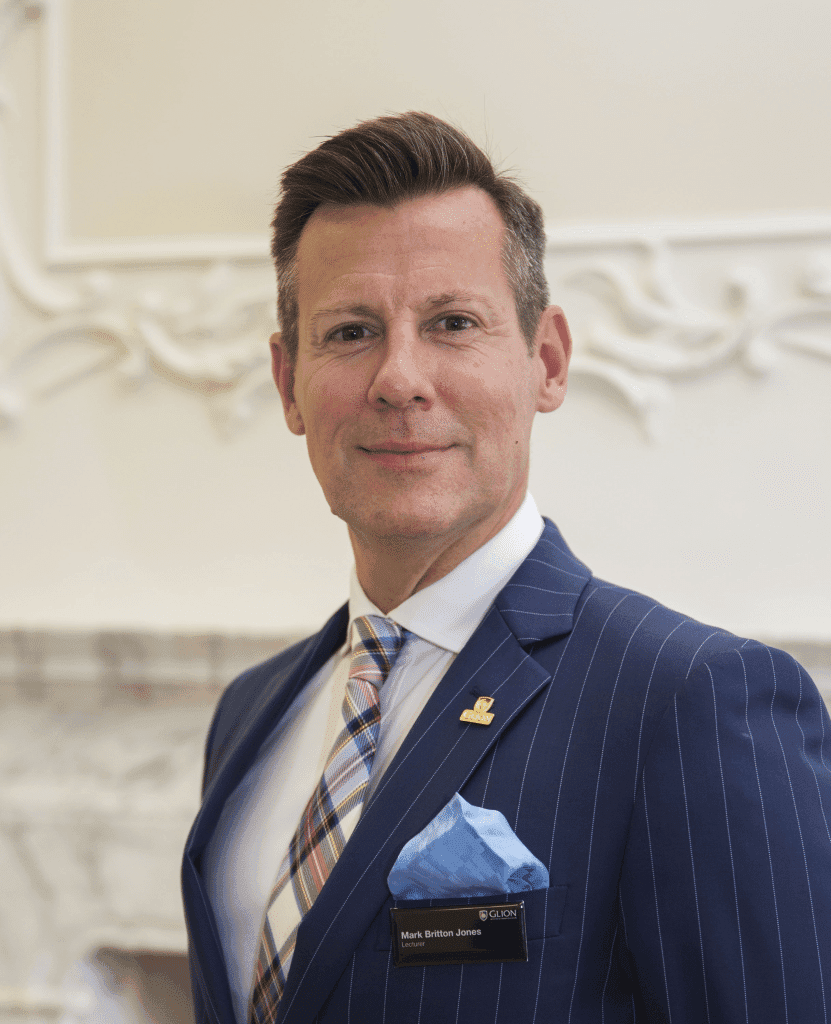
Mark Britton Jones has a career that spans more than 30 years in hospitality, airlines, and travel & tourism, which underpins the commercial know-how for the hotel sector. Having trained and worked in hotels from his early professional life, and covering all areas of hotel management and customer service, Mark brings hospitality experience from the front line up to an executive level. This deep understanding of the industry has been advanced further after gaining an Executive MBA in Hospitality & Service Industries Management from Glion.
Mark has worked as an independent consultant offering business development services within the hospitality and luxury sectors since 2012. He has been a Senior Lecturer at Glion London since 2014 and has delivered courses covering Luxury Brand Management, Marketing, Leadership and Intercultural Management, Conference & Event Management, New Product Development and Innovation, Operations Services, and Applied Business.
Find Mark at https://www.linkedin.com/in/mark-britton-jones-fih-mba-diped-a40b904/
Photo credits
Main image: RomanBabakin/Getty
Watchmaker: feblacal/Getty