A little while ago, I was reading a LinkedIn post which perfectly sums up the current predicament facing hotels positioned at the upscale to luxury end of the spectrum. The post went something like “Don’t you think you can do better than a bowl of fruit when we’re so-called VIPs paying €600-€900 a night for our room?”.
Now, in today’s world of rampant room rate inflation you could argue whether that figure places the hotel within the ‘luxury’ sphere. But the point remains that the customer’s expectations are rarely fully met. That’s a problem for the hospitality industry, and not only in terms of client retention.
As a frequent traveler and current advisor, I have the chance to know the hospitality business pretty well, but the majority of my career to date has been in retail, working for or on behalf of several premium or luxury brands. For most of that time I’d say the direction of travel in terms of ideas, inspiration and talent was very much from hospitality to retail, for the simple reason that hotels did ‘experiential’ much better than the vast majority of stores, plus their care of the client was for a time far ahead of that offered by retailers. Remember, too, that hotels did not present themselves so much as ‘proper brands’ – a situation which has changed enormously today.
I myself opted several times to recruit or advise to recruit from the hotel sector, because I wanted my clients to feel the warm welcome that’s ingrained in someone who works in frontline hospitality.
Nobody does it better
Today, the ‘hospitality standard’ of service is pretty much ubiquitous in luxury retail. In fact, I’d venture to say that some of the luxury fashion and jewelry brands do the hyper-personalized service element a little better these days.
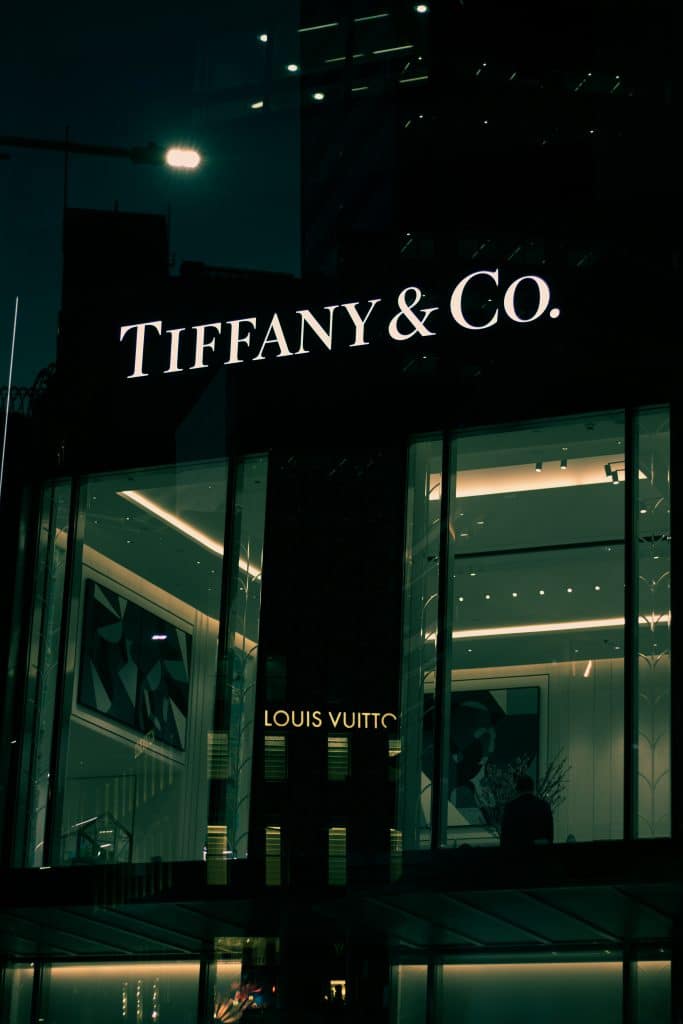
By way of illustration, I think back to a few experiences I was actually part of, when my professional remit included the general management of brands, including customer loyalty management, which meant going the extra mile for our premier client segment.
An example: we had a US-based VIP client who would regularly fly to Europe in his private jet. I was called one day by a US counterpart, pretty late at night, and he mentioned that the client was flying to Switzerland in a couple of hours and also that the strap of his luxury watch was damaged/out of service. Unfortunately, we did not have that strap in Geneva but only in our Paris flagship. There was no time to book a freight forwarder, so we decided to send a Sales Associate from Paris to Geneva, with the watch strap. On his arrival, the store had already arranged with the Mandarin Oriental hotel to collect the watch as soon as the US client checked in, then fix the issue and give him back his timepiece a few minutes later. Of course, I had also given the Sales Associate a brief hand-written note to wish our client a successful trip.
Another example was while working for a luxury maison in Paris. A very good foreign client was in the city for a few days, whom we knew was then traveling on a long-haul flight to Asia. He did not have time to come and visit us on this occasion, but we learned what his flight home would be and managed to arrange for a box of Ladurée macarons to be placed on his seat in First Class. And with that box was a handwritten note saying how much the team looked forward to seeing him during his next trip to Paris. That was so unexpected he immediately called; we knew his wife was a lover of macarons!
From experience and stories one can gather, how many luxe or ultra-luxe hoteliers can say they train and autonomize their teams sufficiently to go to those lengths to delight a customer and show how highly they are valued, investing upfront for the long term?
Transforming the brand
Let’s explore another aspect of this story. In recent times, the vast majority of luxury retail brands have undergone a brand transformation and elevation strategy, reviewing 360° the brand positioning in their market(s). Of course this has been easier to action when the brand fully owned this market, but we all have examples of the same strategy being negotiated and actioned with franchisees or partners in sometimes remote countries. The hospitality sector has followed the same path, having to convince the local partners to reinvest in the brands, renovate, implement new CRM versions, digitalized ones.
Little surprise, then, that the hotel sector is starting to see the sense in taking senior leadership talent from retail. We witnessed this recently with the announcement that Jean-Marc Bellaiche, the former CEO of Printemps, will become CEO of the Greek luxury resort operator Sani/Ikos from 1 January next year.
And there are more examples, including the former Gucci executive Michael Grieve, who has become Chief Brand Officer at Jumeirah Group, and Frédéric Chardot, formerly of Audemars Piguet, who also joined Jumeirah as Chief Human Resources Officer in mid-2024.
Knowing your customer
The other key area where I feel the retail sector has surged ahead of hospitality is in gathering and using customer insights. In many ways this is a surprising scenario, because hotels had a massive head start in data collection via the guest registration and check-in process. So they had all this data; but unfortunately the majority of operators somehow didn’t do a lot beyond storing it.
The retail sector jumped on the CRM (customer relationship management) concept with great enthusiasm, swiftly deploying digital mobile solutions, developing systems and skills that were far in advance of what could generally be found in hospitality. Inevitably, hospitality companies are now coming in search of those with the capabilities to deploy ‘retail-standard’ CRM practices.
It’s not just about skills, either. I find a noticeable difference in mindset between retail and hospitality. Listening to the recent Insider Podcast with Bashar Wali, I was struck by his comment that hoteliers should not think of themselves as being in the service business or the hospitality business, but the retail business.
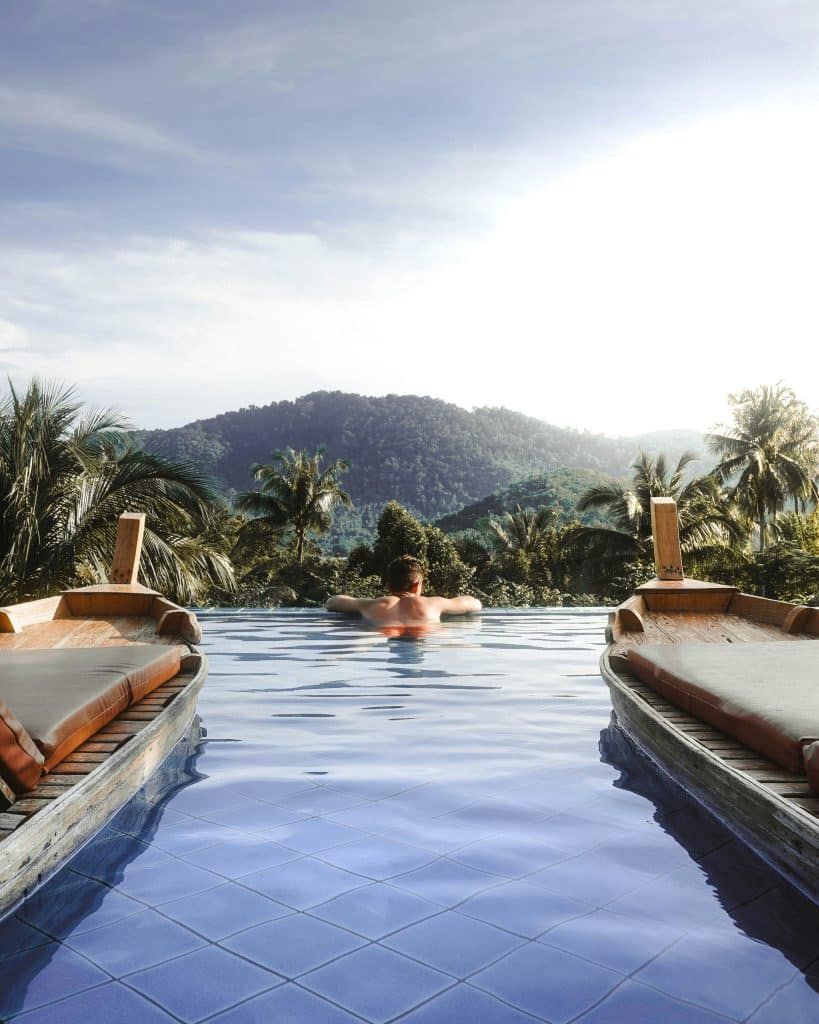
I think there’s a lot of truth in this. I feel the hospitality mindset tends to be a little more laid back, being less focused on recruiting customers and more about delivering that welcoming experience once they are on-site. In retail, we know we have to fight every minute of every day to recruit and retain customers, and that means we look forensically at every brand touch point to maximize the experience.
It also means we take more risk. For many companies I worked for – and for those I currently advise – we’d invest upfront in some prospective clients not knowing if they would convert to €80K, €600K or nothing at all. You have to know your customer as well as you possibly can if you’re going to risk the company’s money in this way. And you certainly need to pass on this passion and mindset, as well as the skills to act autonomously, to the field teams so that they do the job with the client. This kind of commitment is ingrained in the luxury retail mindset.
In general (and there are always exceptions) I just don’t see that same commitment in hospitality. As a personal example, at one stage in my career I was traveling extensively on business. Being brand loyal to one particular hotel group, I had gathered enough loyalty points to be in their highest possible status tier.
There was then a period where I didn’t travel and so didn’t accrue, or use, any of these thousands of points. I also stopped opening their emails because I didn’t need to book any hotels at that moment. These almost weekly emails happened to include the messages warning me that my points were at risk due to inactivity. And what happened? my points were cancelled! No phone call, no check-in.
This is light years behind the approach I currently advise or action with the brands I work for, where we truly appreciate the value of every customer and build connections that make sure they know how much they are valued.
Of course it would be easy to just sit in judgement, and I don’t want this article to feel like I’m simply knocking the hospitality sector. There are brands out there doing fantastic things in terms of CRM and guest experience. Plus I appreciate that the business is being challenged by high input and labor costs in many markets, especially in Europe. But hoteliers need to appreciate that with nightly room rates in the upper upscale and luxury segments now routinely in four figures, this brings with it enhanced guest expectations.
Think back to the LinkedIn comment with which I opened this piece. This needs to be put in a context where Gen Z travelers, who will soon represent 75% of purchases in luxury, are keener to share their experience and their feelings; as such, for the hospitality sector, ensuring these experiences match with the guest’s expectations is becoming imperative.
Luxury hotels must now be considered even more as true luxury brands. As hotel operators seek to learn more of the customer experience and customer relationship secrets from the retail sector, but also to train their teams to the highest levels of personalization, expect to see increased demand for experienced executives willing to venture through the luxury-hospitality crossroads and into the hotel sector…
- To read more from Fabrice, click here: https://www.glion.edu/magazine/why-managerial-courage-matters-in-modern-workplace/
About the author
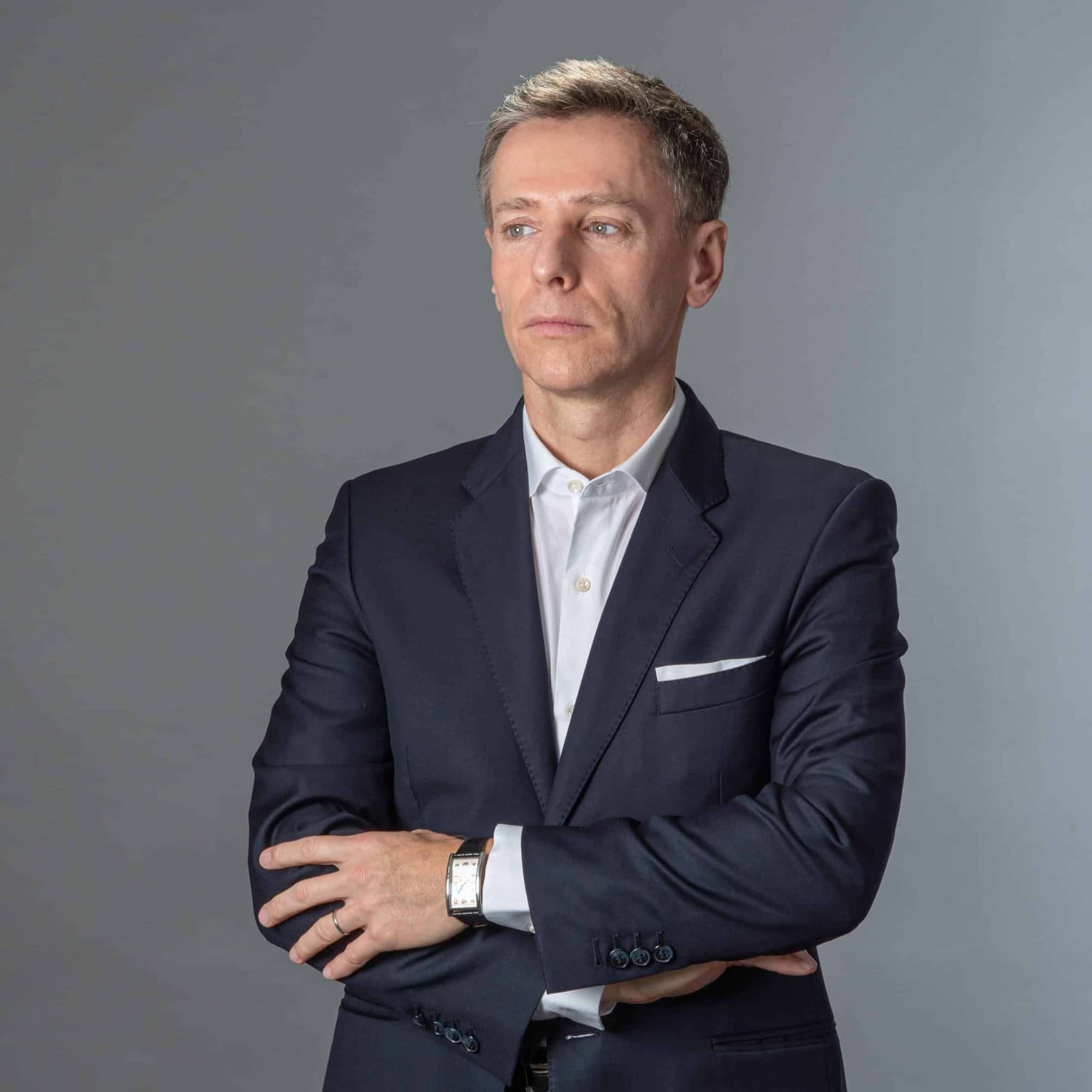
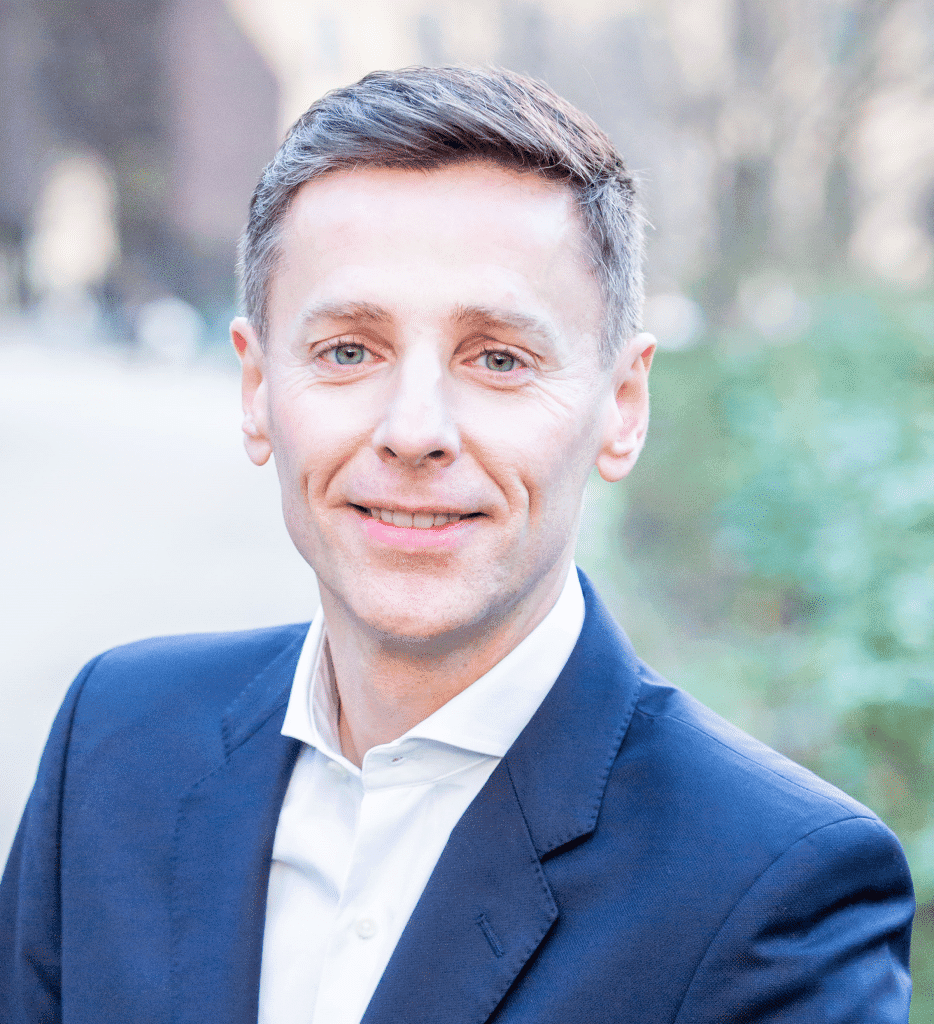
Fabrice Gautron is a global executive and decisive Managing Director who brings a multicultural, inclusive, and agile mindset having worked in Europe, AsiaPac, US and the Middle East.
He is passionate about revitalizing well-known luxury retail or hospitality related brands, rejuvenating customer experience, reaching new countries and channels, re-engaging partners and talents, and driving long-term success with very tangible bottom-line results.
He has successfully led multiple brand turnarounds, scale-ups, and growth accelerations in both public and private equity–backed companies. Currently, Fabrice serves as a senior advisor and works on very operational topics, mainly in the luxury, retail and hospitality sectors.
Fabrice holds a degree in Business and International Finance, is an Advanced Management Program Alumni from Harvard Business School, and an avid high altitude mountain trekker.
Photo credits
Main image: Zoe Holling on Unsplash
Retail exteriors: Luke White on Unsplash
Swimming pool: Matthew Wenlock on Unsplash