Growth. Transformation. Strategic positioning. All three are must-have ingredients for any business wishing to keep pace with ever more agile and ambitious competitors.
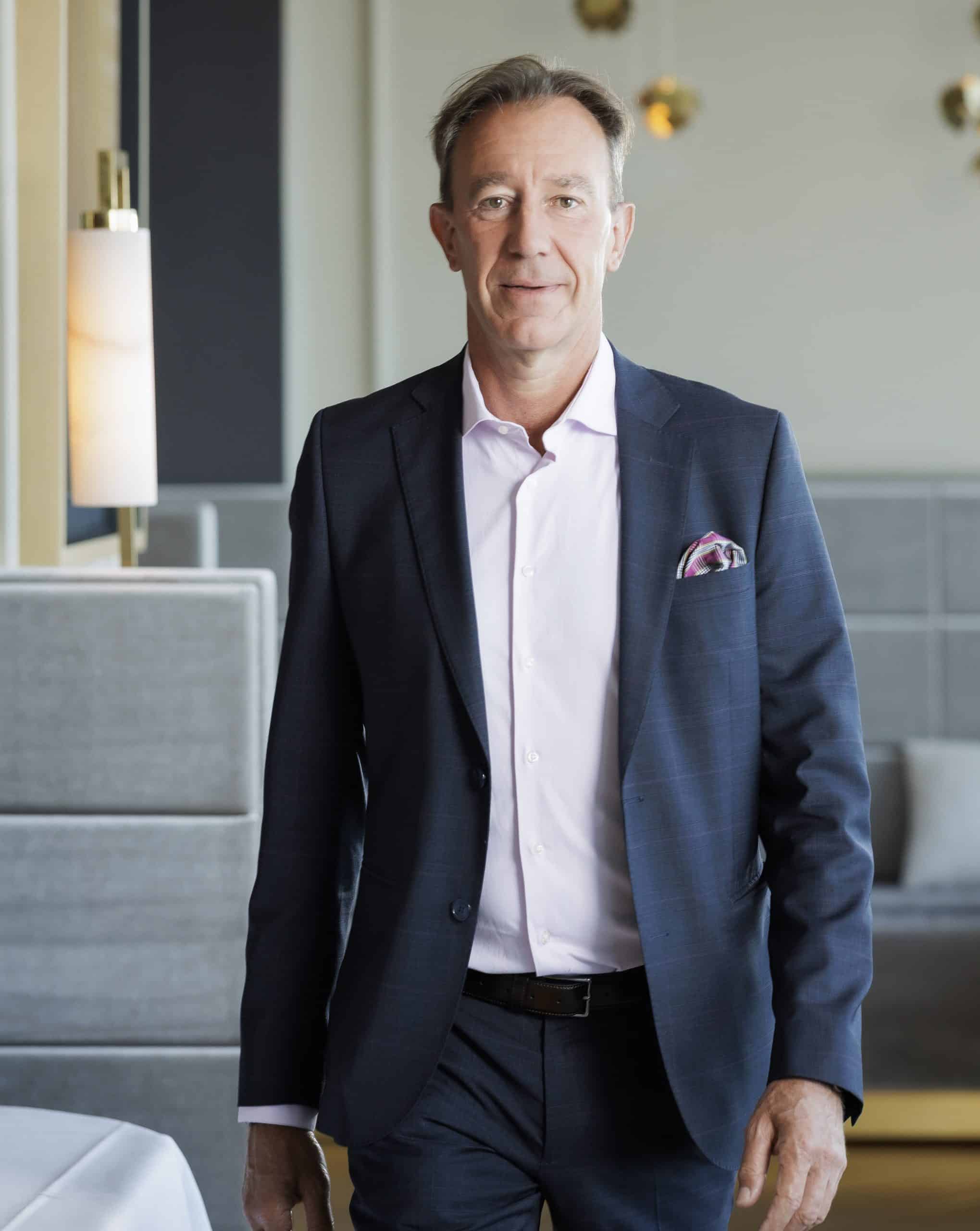
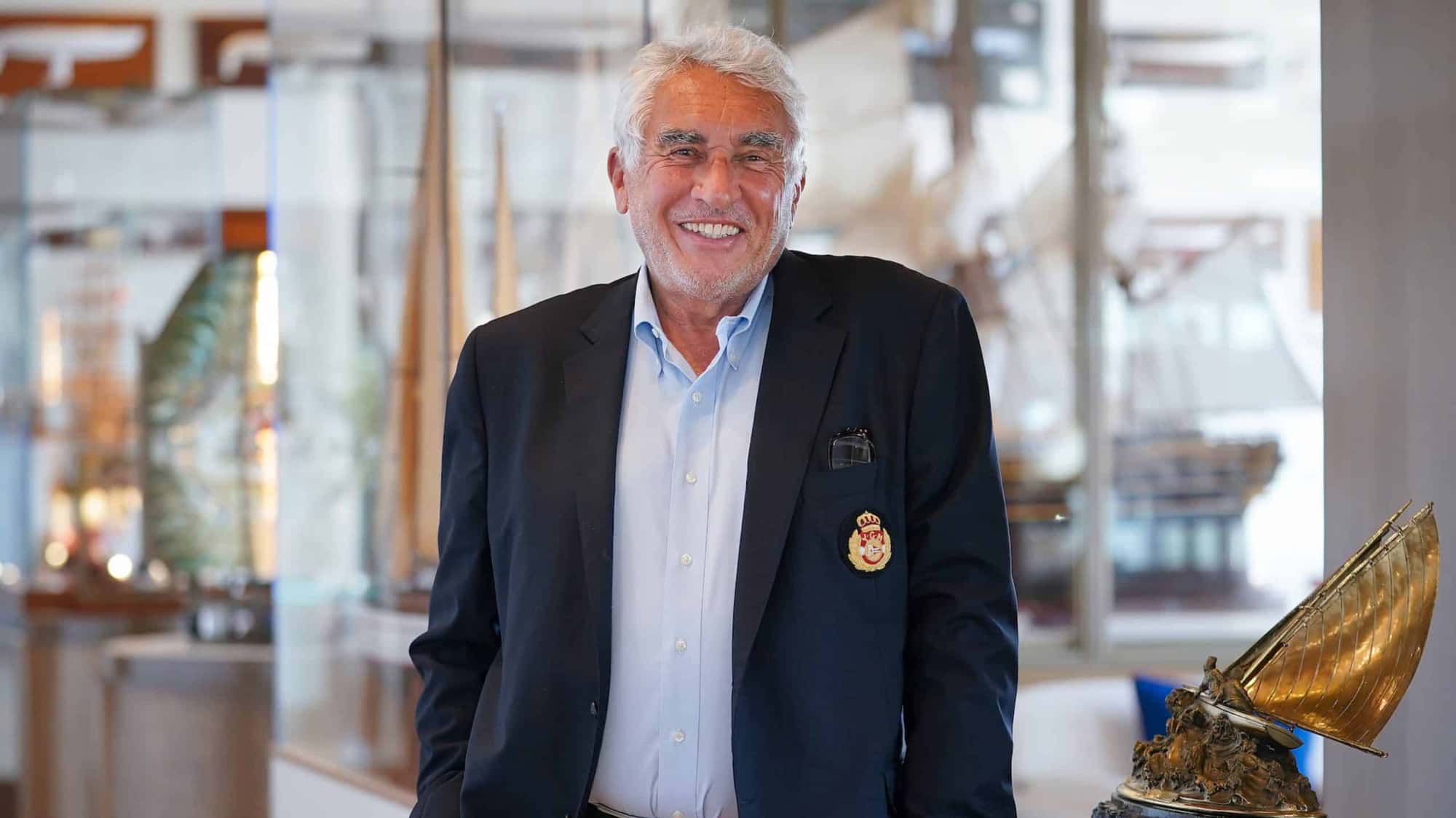
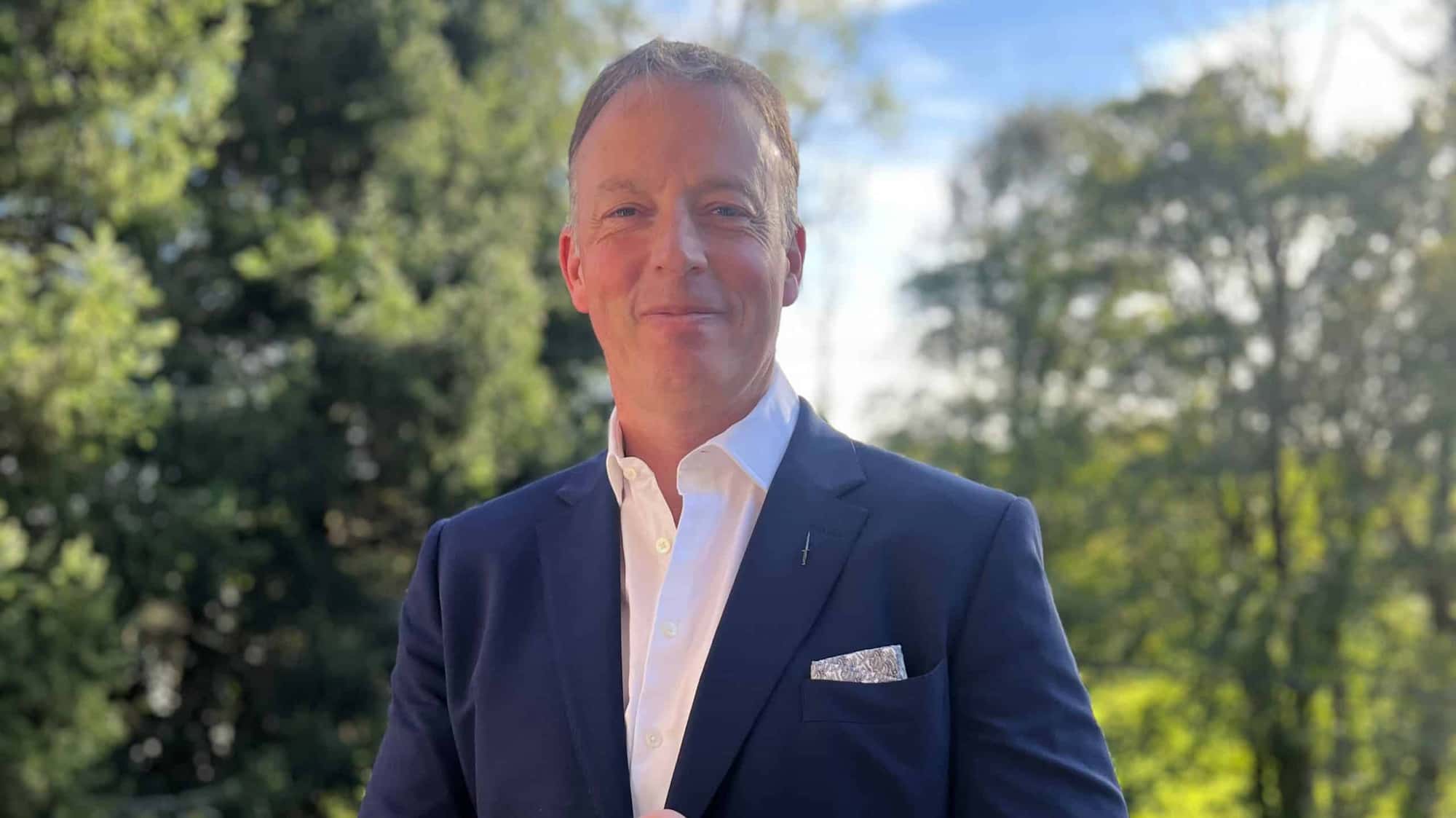
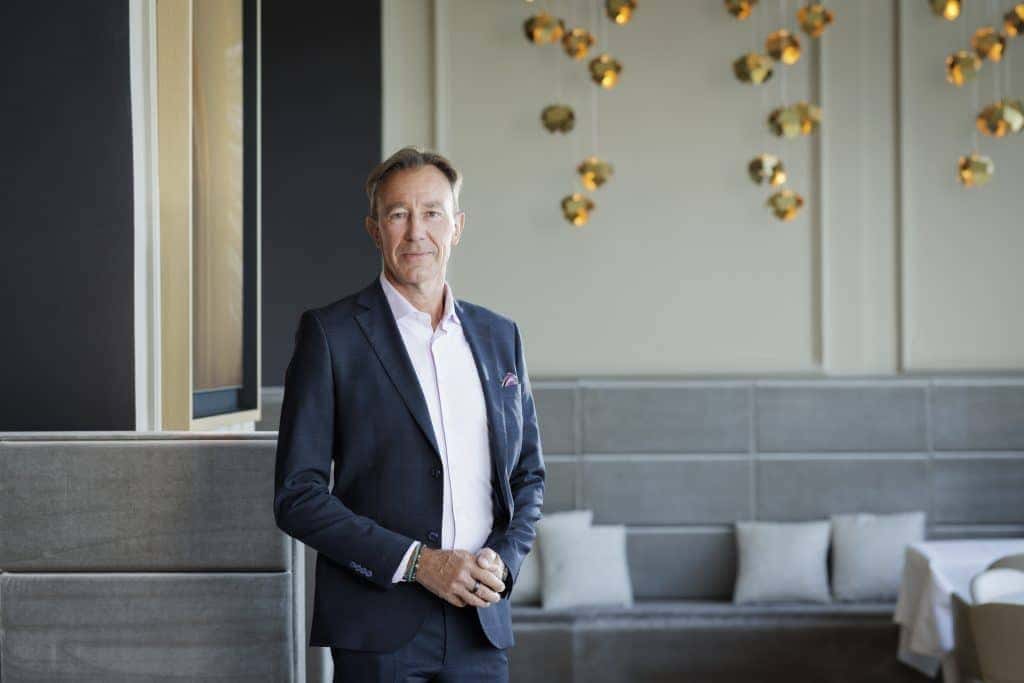
Happily for Glion, each of these elements features strongly within the business track record of Philippe Vignon, the vastly experienced executive who took the reins of our school in June of this year.
Philippe brings with him more than 30 years of international experience at the helm of major organizations across the tourism, aviation, media and education sectors. His career highlights include key leadership roles such as General Manager Commercial at easyJet, CEO at Geneva Tourism, and CEO at Digital EdipresseLux, not to mention board and advisory roles for a host of ventures including the stunning Hotel des Horlogers created by Audemars Piguet.
A few months into his new role, The Insider took the opportunity for a first in-depth conversation with Philippe, to learn more about the man, his leadership philosophy and how he hopes to make a positive mark during his tenure as MD.
Here’s what he had to say…
The Insider (TI): Philippe, thanks so much for agreeing to speak with us. Let’s start with matters strategic – how would you characterize Glion’s new strategic direction under your leadership?
Philippe Vignon (PV): It’s not about reinventing Glion. We’ve been a leading school in our field for six decades and I’ve found much to admire since coming on board – amazingly engaged people, superb brand recognition and a very strong sense of community on campus to name a few. My job is to take all these ingredients and, with my leadership team, continue to leverage them in the most effective ways, so that we can exert a global influence appropriate for an institution of our caliber.
TI: What does this mean in practice?
PV: It means pursuing an individualized, value-based approach in terms of what we offer our students. Numbers are important to any private institution, but I want to further differentiate Glion from rival schools that have chosen to pursue a volume-centric approach. If I set myself a goal for the next few years, it is that Glion will be recognized as the boutique reference in hospitality and luxury education.
TI: And I guess you can only do this if you maintain Glion at a human scale?
PV: Exactly. And this is a key differentiator for Glion as I mentioned. To give an example from our Career Services team, when a Bachelor student joins us they very quickly have to start thinking about their first internship. Where some larger schools just leave them to it, we take the time to find the right fit, plus we help the student to craft a CV that expresses their individuality and specific qualities. It’s not a ‘one size fits all’ approach.
TI: ‘Luxury in action’ has become Glion’s signature. What does this concept stand for in your eyes?
PV: The element of luxury I’m thinking about here is that part which you cannot buy: the quality of human interaction. It’s the ability to connect at a deeper emotional level and it informs everything we do throughout the student journey, from the moment they arrive on campus until graduation and beyond.
Today, I often see complaints about the hospitality sector forgetting the human element in favor of a regimented, numbers-driven approach. Our goal is to instill these human qualities in all our students; giving them the humility required to be of service to others and equipping them with a sense of purpose and connectedness to what they want the world to be.

TI: This also applies to leaders in business, of course. Perhaps even more so, as they are the ones setting the agenda for their teams. I noticed a phrase you’ve used about developing ‘business class leaders’. What exactly do you mean by that?
PV: Without delving too deeply into management theory, there is a big difference between managing people and leading people. When you lead people, you demonstrate the ability to align each and everyindividual within the organization towards their own purpose, as well as the larger purpose the organization aims to achieve.
So, for me ‘business class leaders’ are those who are not just production machines, but instead are individuals who truly understand that exceptional performance requires the ability to connect with ouremotions and also to appreciate the larger ecosystem in which we operate. These are the qualities needed to navigate the VUCA (volatile, uncertain, chaotic, ambiguous) times we find ourselves in.
TI: Turning back to Glion as an institution, clearly from the academic side achieving Swiss Federal Accreditation was a major step in underlining the quality of education on offer. I’ve noticed also that the school has hired some pretty serious academics in recent months, two of whom – Dr. Alessio Delpero and Mikèle Landry – we also get to know in this issue. Tell us more about how Glion balances academic rigor with the human and experiential approach you referred to earlier.
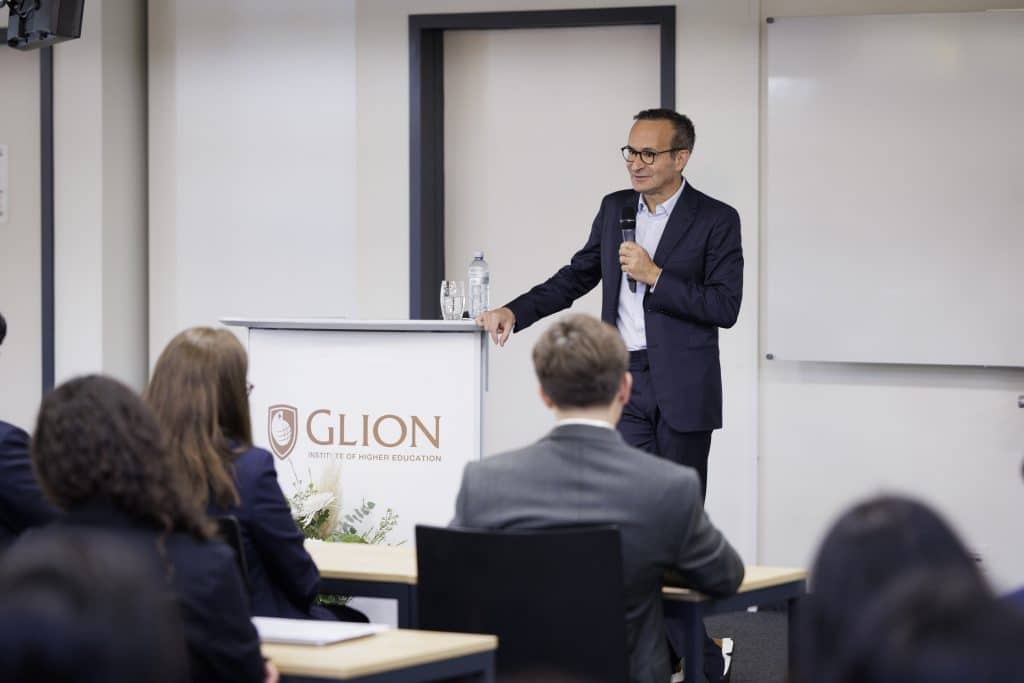
PV: It’s all about achieving that perfect blend of theory and practice. Let’s deliver the essential theoretical foundations and then we can explore how to apply these in the real world. It’s why along with hiring high quality academics we also invite a lot of visiting lecturers who are active in the industry. These people know what it’s like to operate in the front lines, and I believe it’s good for our students to be confronted with some of the brutal realities of the professional world.
In future, my aim is to build even closer links with industry, so we can work on more real-world business cases with our students and thus give them more opportunities to learn by doing. That sits at the heart of our transformative education approach, which you’ll often hear referred to as the Swiss model of hospitality education.
TI: With high quality academics also come enhanced research capabilities. In Glion’s past there are tremendous stories of research activities that had a significant influence on the travel and tourism industry. Do you hope to see a return of those days?
PV: If you want to have legitimacy as a University of Applied Sciences, which we now are, then research is an imperative. But for me this has to be applied research, not theoretical research, as this helps to solidify a bridge between the school and the industries we serve. We have established our Glion Research & Innovation Center and I can only echo its mission statement, which is to position our institution as a leader in research excellence, fostering a culture of innovation and sustainability, and making a positive and lasting impact on industries, communities, and society as a whole.
TI: That close link between Glion and industry is clearly essential for you, and we can see it in other initiatives like the Hospitality & Luxury Insight Council. Tell us more about how these connections shape the student experience.
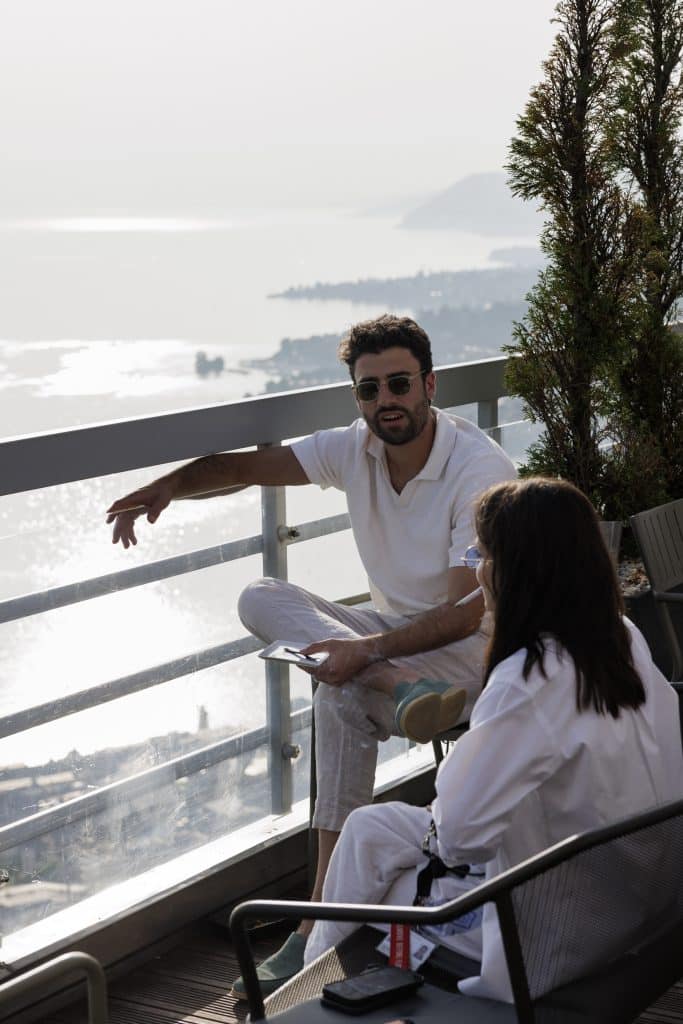
PV: It’s absolutely vital that we listen to the industry’s needs and expectations, so we can adapt our programs accordingly. For our students and their families, being educated at Glion requires a significant financial investment. So we must ensure that this investment generates a return by positioning our graduates at the top of hiring lists, while also equipping them with the attributes to rise quickly through the ranks once employed. This forces us to keep our education dynamic and relevant, which is a good thing.
TI: When thinking about the future, we cannot overlook the potential impact of technology, and especially artificial intelligence (AI), on industries like luxury and hospitality. What’s your take on this?
PV: I have a very strong view that the march of AI is basically irresistible, and that its impact on our personal and professional lives will be profound. So, we certainly have a responsibility to educate our students in how to make the most of AI tools and systems. However, these must only ever be deployed as enhancers, not as replacements for our own critical thinking. The essence of hospitality remains human, and therefore human connectedness and creativity is going to become even more important in an increasingly digitalized world.
I don’t want to live in a world where we delegate our thinking to machines. I also believe that human nature is so complex, so beautiful, so creative, that it cannot ever be truly replaced by AI. I’m a strong advocate that luxury cannot be commoditized, because true luxury involves a deep rooted human interaction.
TI: What role does sustainability and corporate responsibility play in your vision for Glion?
PV: Good question, because it’s an area where institutions can often over claim or set themselves up to be accused of ‘greenwashing’. When it comes to Glion, of course it’s very important to have a proper CSR structure in place, to cut food waste, reduce our energy consumption, and so on. But at the same time I want to see us adopting the typical Swiss approach, which is to avoid claiming everything is rosy, and instead to tackle the issue from the bottom up, by implementing small initiatives that add up to a big impact. And this again is something where we can benefit from our size and boutique philosophy.
TI: Final question, and maybe the hardest, since it involves predicting the future. Ten years from now, what do you hope Glion graduates – and Glion as an institution – will represent?
PV: I think our graduates will be recognized for their natural elegance, as well as for their personal and professional integrity. It comes back to what I said about an ability to navigate an uncertain world with respect and humility. As for Glion itself, I hope we will be universally admired for our ability to blend a ‘Swiss quality’ approach with a global influence, as well as for the genuine care we have for every student we welcome to campus.