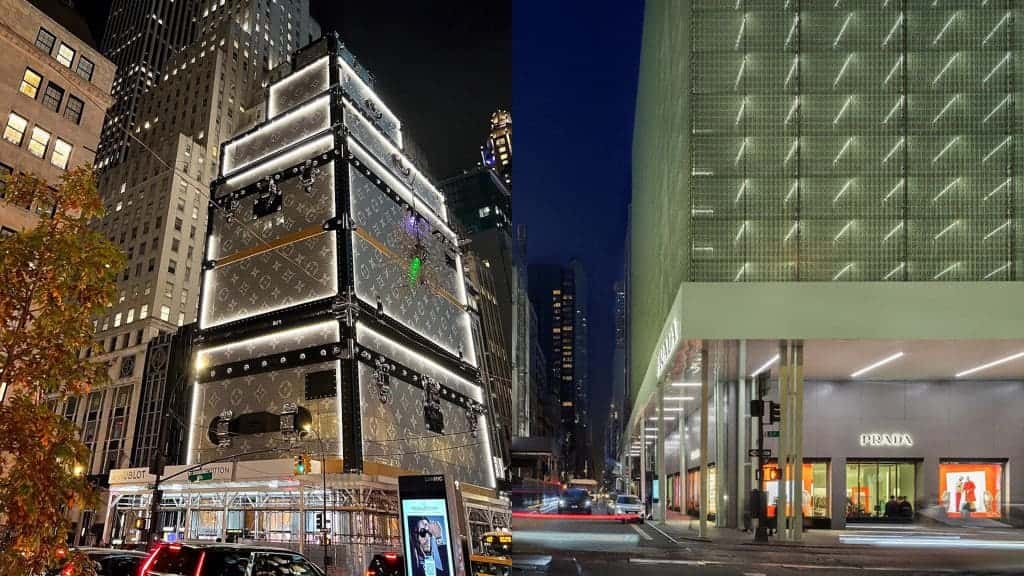
The global pandemic forced many companies – including the most prestigious luxury maisons – to adopt novel approaches when seeking to engage their customers. Since then, they have further refined the ways in which they market themselves, making use of physical spaces, strategic partnerships and high-profile events to reach an audience that now values experiences over things.
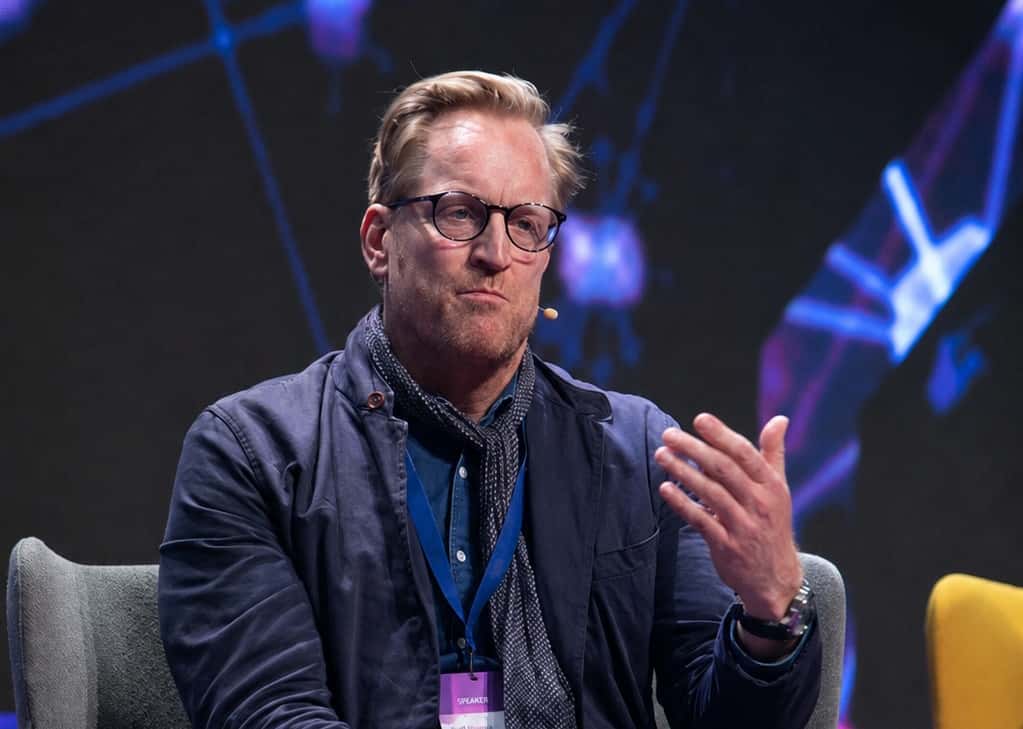
What exactly they are doing at the upper end of the market – and why – were just two of the questions covered by Louis Vuitton Global Events Director Marcello Lombardi, who took time out of his busy schedule to speak to the current cohort of Executive Master's in Luxury Management and Guest Experience participants.
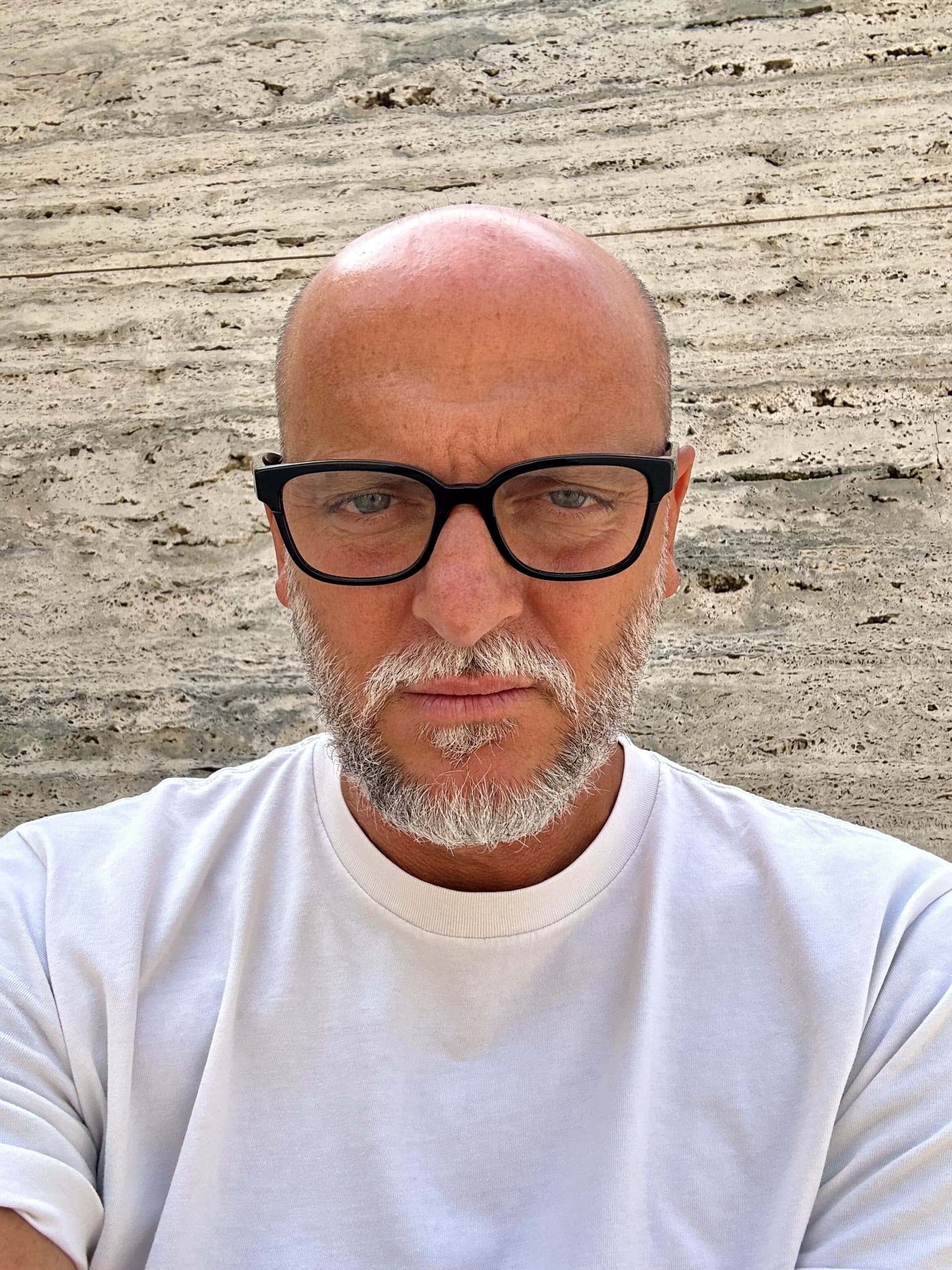
As part of the program’s ‘Impactful Architecture & Design’ course, led by Visiting Lecturer Sharòn Cohen Moore, students got to hear from and pose questions to the luxury industry expert, who has more than 25 years’ experience in architectural design as well as luxury fashion retail, communications and events management.
A new dynamic
After sharing his career history and some notable highlights, which include designing the Turin 2006 Winter Olympic Village, several experiences in store planning and design and working with Miuccia Prada as Head of Fashion Shows and Image Events for Prada and Miu Miu, Marcello spoke about how the industry had been forced to become more dynamic.
“Something I noticed while at Prada was experimentation with new formats for events,” he says “There was a project in Seoul, South Korea – the Prada Transformer – based on an idea about a ‘revolving’ pavilion that could turn and transform and change its functionality: first of all as an exhibition space and then as a library and ultimately a cinema/convention center.
“When Covid hit – just as I was about to join Louis Vuitton – we also began experimenting with remote events and digital content. That was when Raf Simons joined Prada and we started designing shows with no audience but that still offered the opportunity to experience something incredible. That time allowed us to stretch the vision and understand which elements count in designing an event. And it was when we started talking more about the entire experience rather than just the show.”
Values and video
That was not the only shift the Covid crisis caused in the world of luxury. According to Marcello, brands reacted to the new reality by reviewing their entire strategy and changing their focus.
“What was interesting during Covid is that people never stopped spending money, but they started to concentrate more on icons,” he says. “For example, brands such as Hermès had no problem selling their iconic Birkin and Kelly bags because customers preferred to invest in items that were not ephemeral and more like pieces of art. A similar shift happened at Louis Vuitton too: the iconic monogram traveling bags such as Speedy and Keepall survived despite the crisis. In that sense, brands began to focus much more on their own DNA and values.”
The way brands reached their audiences changed dramatically as well, partly out of necessity due to the circumstances but also as a result of this new direction.
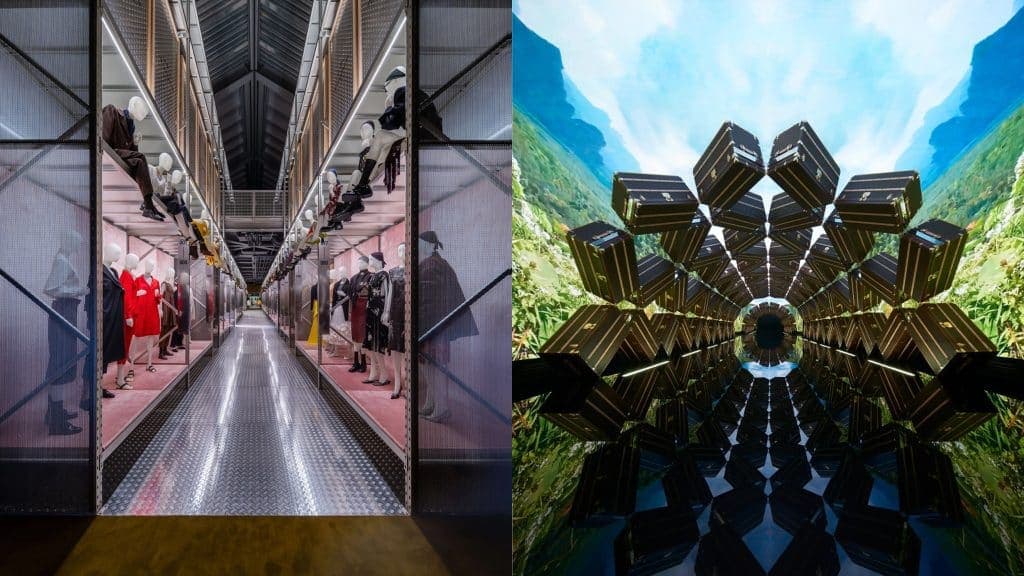
“There was a huge change that saw brands adopting video and social media to connect with their communities,” he says. “Because video content could spread around the world incredibly quickly, it almost became more important than the physical live experience. More so for some brands than for others, of course, but even houses such as Prada that have architecture and the live experience as hugely prominent elements of their shows began to embrace video as a means of communicating at a much larger scale.”
Community culture
As well as the delivery media changing, Marcello saw events becoming more sophisticated, driven by this increased focus on image contents and brand values.
“At Prada, we were very much aiming to create a sense of belonging,” he says. “For example, the Miu Miu Club and the Prada Mode were formats where communities could connect within those exclusive clubs and were driven by talented artists who could express their vision alongside the brand without being commercial – and in some instances without even presenting a product.
“Of course, different brands take diverse approaches. Prada operates in the field of coolness and style, so they design events that talk about the brand’s DNA but also make guests feel privileged to be part of the happening and in a community of like-minded people who share their values. Louis Vuitton has a different audience and consequently a different approach. It has a brand that’s been recognized for more than 200 years, talks to a very wide audience, is more direct and is somehow more bold and powerful.”
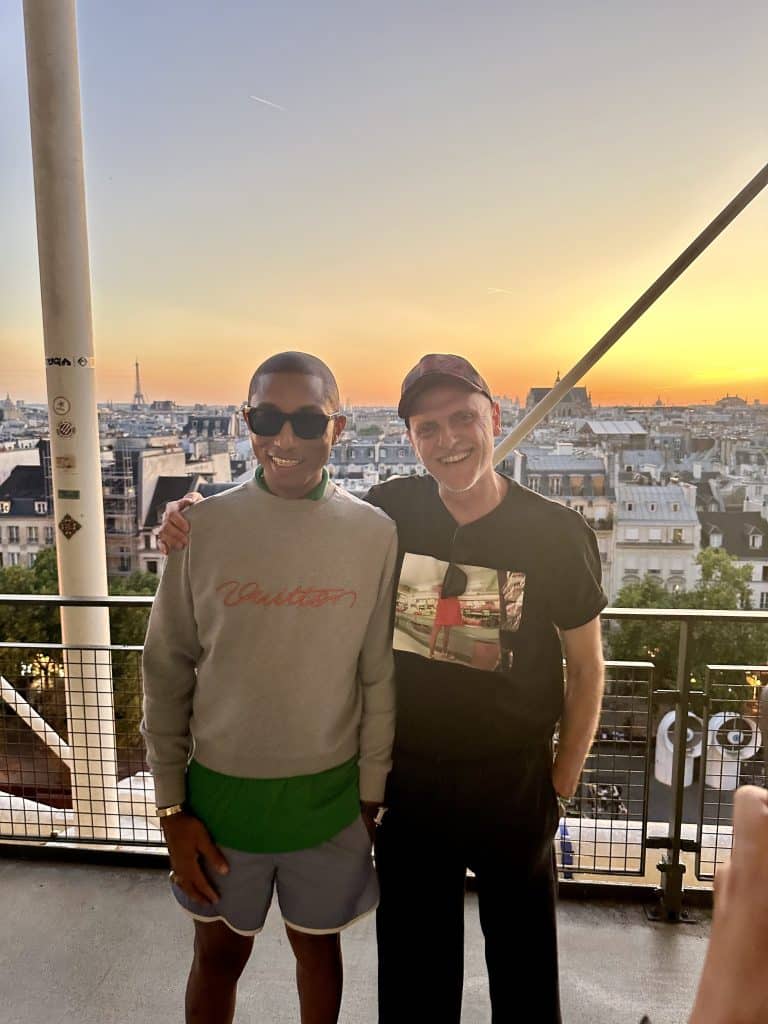
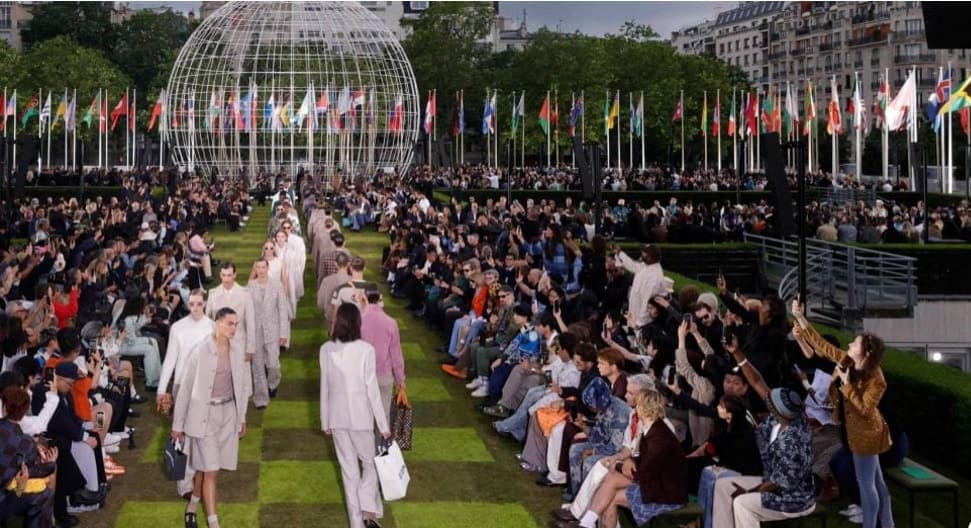
Marcello gave as an example Louis Vuitton’s recent event in Paris (see photo above) with the brand’s new Creative Director, the international recording artist Pharrell Williams.
“Louis Vuitton focuses much more on a 360-degree client experience,” he says. “The events where we invest more are the ones where we present special collections to a very selected audience in a bespoke, one-to-one experience. But Louis Vuitton has always been a brand that creates the most ambitious and powerful events and fashion shows. Just look at our show in Paris on the Pont Neuf, in front of the Louis Vuitton offices, which sealed off the center of Paris and featured an incredible VIP red carpet and front row. That event had a billion digital impressions – or one eighth of the world’s population.
“Everything is more sophisticated, the full client experience is controlled down to the tiniest details and, in a way, it’s more dream-like. We push the cultural element of the brand much more.”
Tradition and modernization
Cultural projects represent a significant part of Marcello’s role and see the company celebrate the more ‘lifestyle’ elements of the brand.
“Over the past three years, I’ve been working on a new retail experience concept called ‘Mega Trio’, which combines retail, gastronomy and culture,” he says. “All over the world, you’re now seeing Louis Vuitton Cafés opening up, while we’ve also been collaborating with internationally renowned chefs, including forming a strategic partnership with the chef pâtissier and chocolatier Maxime Frédéric.
“What we’re also doing alongside communicating the heritage of the brand is connecting it with the future. For example, our new partnership with Formula 1 demonstrates that ambition because it forges a link with an industry where research, technology, innovation and speed are paramount. More than a mere sponsorship, it’s a genuine connection of two different universes with many shared values and audiences and where the art of travel – part of Louis Vuitton’s DNA – overlaps both.”
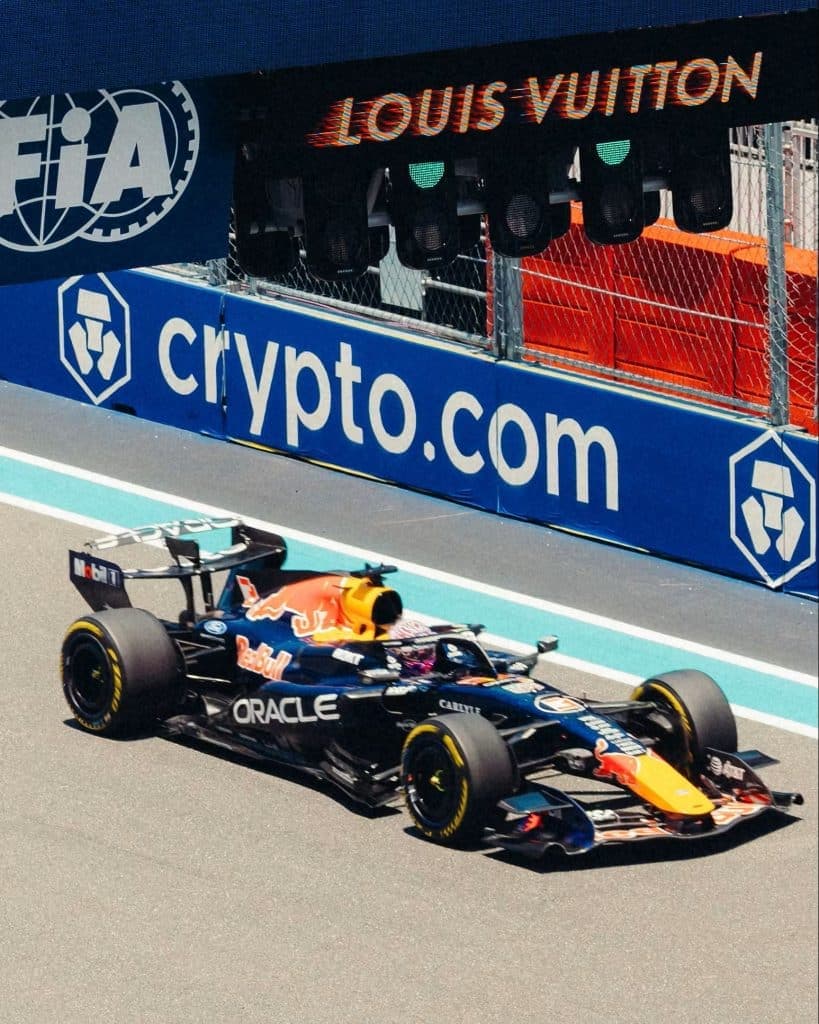
That being said, Louis Vuitton is not abandoning its traditional brand values either, opting to continue the dialogue between tradition, innovation, past and future. As well as its Formula 1 partnership, it has also relaunched the Louis Vuitton Classic Car Races, which the brand led during the 1990s until 2012. And as part of its strategy to underline its reputation as a maison of culture, it is holding the ‘Librairie Ephemère’ at the Arles Festival of Photography in France, which features a branded library in one of the city’s iconic bars alongside a program of music, book signings and talks.
Hospitality opportunity
Of particular interest to our Executive Master’s students was the luxury industry’s entry into the world of hospitality and they were keen to hear more about the possibility of Louis Vuitton opening a hotel.
“The ‘rumors’ about Louis Vuitton becoming a hotelier came about after an interview with Chairman and CEO of LVMH Americas Michael Burke,” says Marcello. “But I don't think it was ever really an intention and I don’t think it’s going to happen, especially since in the LVMH group there are already luxury hotels like the Cheval Blanc and brands such as Bvlgari who have gone into that world already.
“But Louis Vuitton was definitely one of the first brands to understand the need to revolutionize retail experience. And I would not be surprised if the new Champs-Elysées location, which is not going to be a hotel, nevertheless becomes a place that delivers a new level of retail experience thanks to the ‘Mega-Trio’ concept I mentioned earlier.”
According to Marcello, something else that happened immediately after Covid was that customers began to change the way to spend money, becoming more interested in unique experiences, remote journeys, exceptional holidays and experiences than in purchasing additional physical products. This has forced luxury houses to adjust their approach to customers and to broaden their offer accordingly.
“We’ve seen many brands diversifying the retail experience because this is now what the new generation of customer is looking for,” he says. “They’re seeking more meaning and a genuine sense of things rather than just following a trend. So brands that are building coherence and community are the ones that are succeeding today.
“In the Formula 1 partnership, we have a lounge for clients on top of the paddock, where they can spend time enjoying Louis Vuitton hospitality, an amazing tailored food experience and outstanding interaction with the race because of the privileged view of the track. It’s an incredible experience and gets them close to the team, the drivers and everything else that goes with it. And during the Monaco Grand Prix, we hosted our top clients on the Orient Express superyacht, again recognizing customers’ desire to experience the journey rather than just the moment.”
Formula for the future
While these diversifications into hospitality were initially a reaction to changing customer behavior, Marcello believes they will play an increasingly significant role in luxury retailer strategy in the coming years. By purchasing a luxury good, customers are embracing a brand vision – and that’s what luxury retailers are increasingly cultivating.
“Last year was just the beginning,” he says. “The partnership with Formula 1 is for ten years, so it’s definitely where we see things going in future. I worked on a similar hospitality related project in 2024 when we partnered with the Americas Cup. That gave us a great platform to welcome guests in Barcelona where they could visit the boat and meet the teams.
“Alongside this, we are now sponsoring the Spanish football team Real Madrid and have incredible ambassadors, including Jude Bellingham. It’s the future, but sports partnerships are also part of our DNA, since we ran similar campaigns in the 1990s with Pele and Muhammad Ali.
“We realize not everyone is a real fan of the sports themselves, but these partnerships enable us to offer customers – who can effectively buy whatever they want – the opportunity to see a Grand Prix or a football match through a Louis Vuitton lens and feel part of an incredibly select community. And that’s key to our ambition.”
•To discover more about Louis Vuitton, visit the website
Build a leadership career in luxury
The Executive Master of Advanced Studies in Luxury Management and Guest Experience from Glion offers flexible, self-paced study that allows you to sharpen your luxury business knowledge without giving up your current role.