Understanding what makes a space luxurious and how big name luxury brands use their physical presence to create engagement is critical for those wishing to excel in this ultra-competitive, rarefied world.
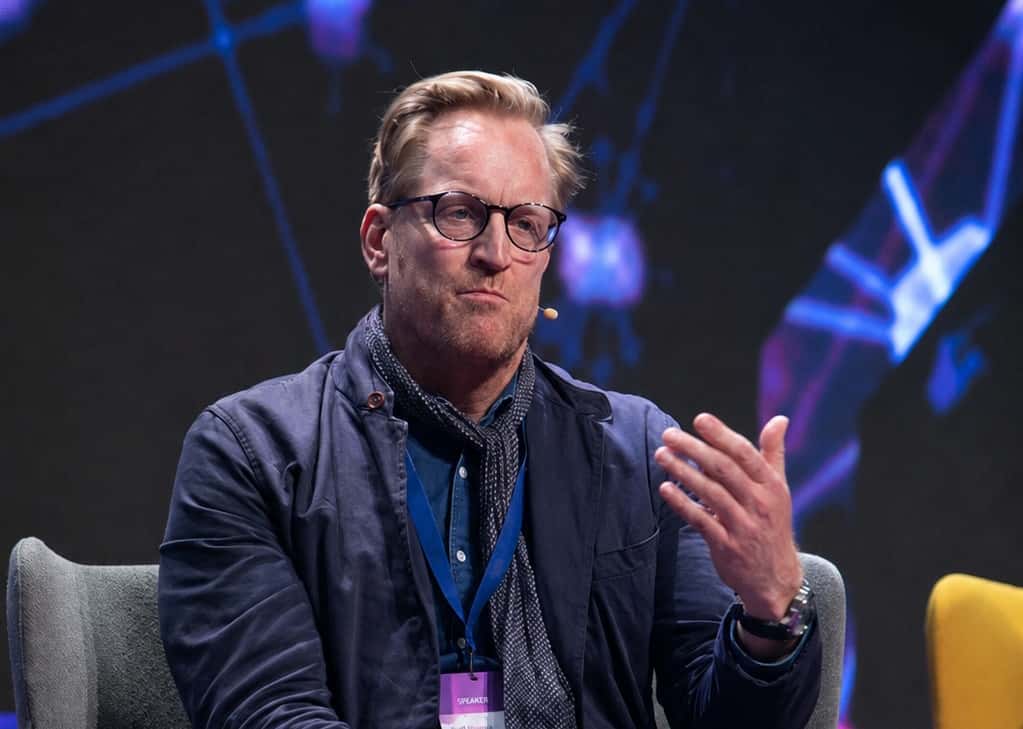
As part of Visiting Lecturer Sharòn Cohen Moore’s Impactful Design and Architecture course on our Executive Master’s in Luxury Management and Guest Experience, global commercial real estate consultant Dan Innes of Innesco was invited to share his views on the current state of the luxury retail market, the difference design can make and what the future holds for this dynamic, ever-evolving sector.
More than a simple presentation, the session was an opportunity for students to ask questions and gain genuine expert insights from a leading industry figure with more than 25 years’ experience in luxury real estate and hospitality property marketing.
Competition for position
Following early years in urban planning, Dan moved into marketing for a European pension fund, which involved positioning large property developments in the UK. But he was soon making a mark further afield.
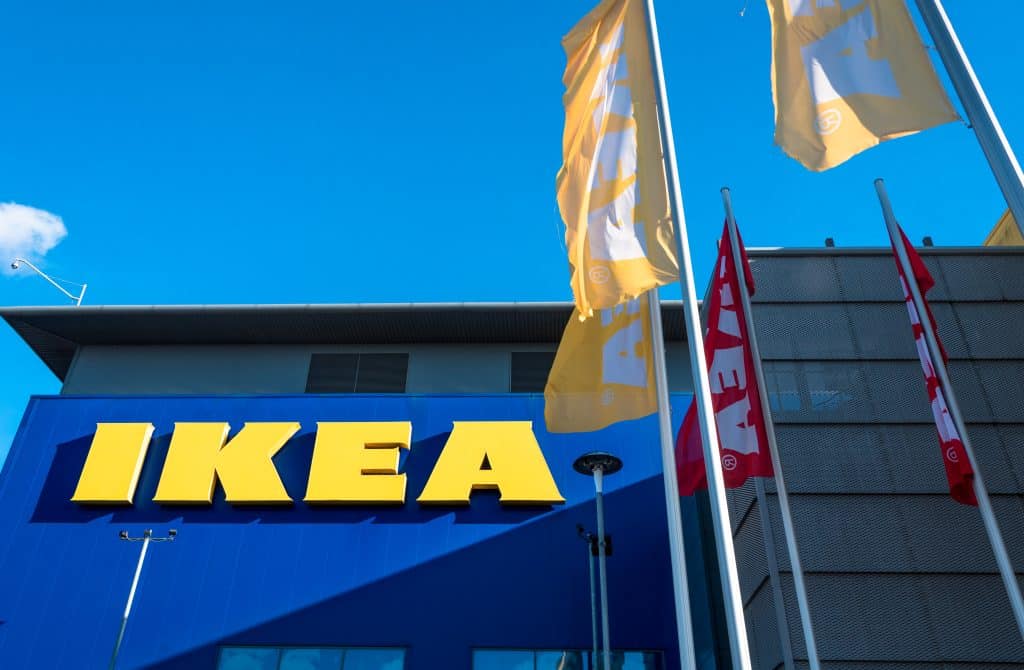
“I started working with brands such as Henderson Global Investors, Westfield and IKEA,” he says. “And I quickly saw how the world was a global village – a marketplace where capital and brands were international and competing for locations. And I quickly learned just how competitive it was – you can’t assume they want to come to you or that you have the right locations for them even if you’re in prestige locations such as London, Paris or Zurich.”
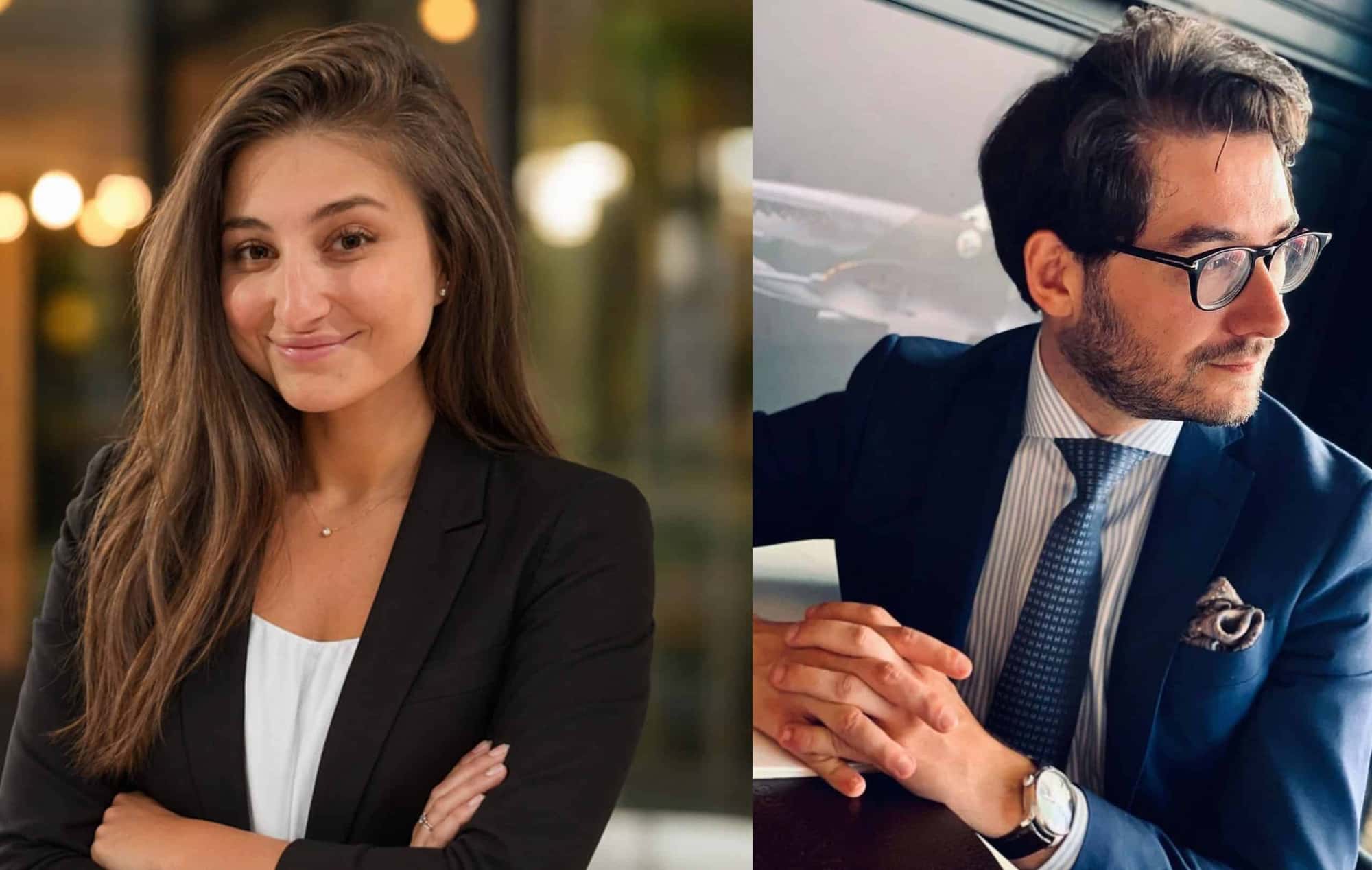
In 2009, Dan launched his own consultancy, Innesco, to help organizations strengthen investor confidence, boost asset performance and generate long-term value. And alongside Sharòn, he is also a Co-Founder of Hencò & Partners, where they advise luxury real estate and hospitality businesses on commercial strategy, brand positioning and growth.
“Countries and cities around the world are continually trying to nurture and develop their reputation as attractive destinations for high-end businesses,” he says. “My work with clients blends marketing and real estate and sees me involved in the investment, site identification, planning, design and architectural stages right through to launch strategy, ongoing asset management and ultimately disposal.”
Rules of attraction
One of the first insights Dan shared with students in the session concerned the role real estate marketing can play in mitigating so-called ‘black swan’ unexpected events that cause shocks in the market.
“The first thing to remember is that the real estate market is cyclical and the cycles are quite long,” he says. “So if you are developing and constructing a new destination, you have to make sure it hits at the right moment in an economic and a real estate cycle, which can be three to five years.
“A company that achieved it successfully in London not once but twice is Westfield. In 2008, just as the Global Financial Crisis was pinching, Westfield opened its doors at Westfield London – they had to encourage retailers and brands to believe in the location and the long-term success of that market and to look past the recession. And I think everybody who knows Westfield London today would agree it’s been a huge success.”
Westfield understood the dynamics of the real estate cycles and called upon Innesco to help communicate its Westfield Stratford City investment in London (pictured below), also in 2008.
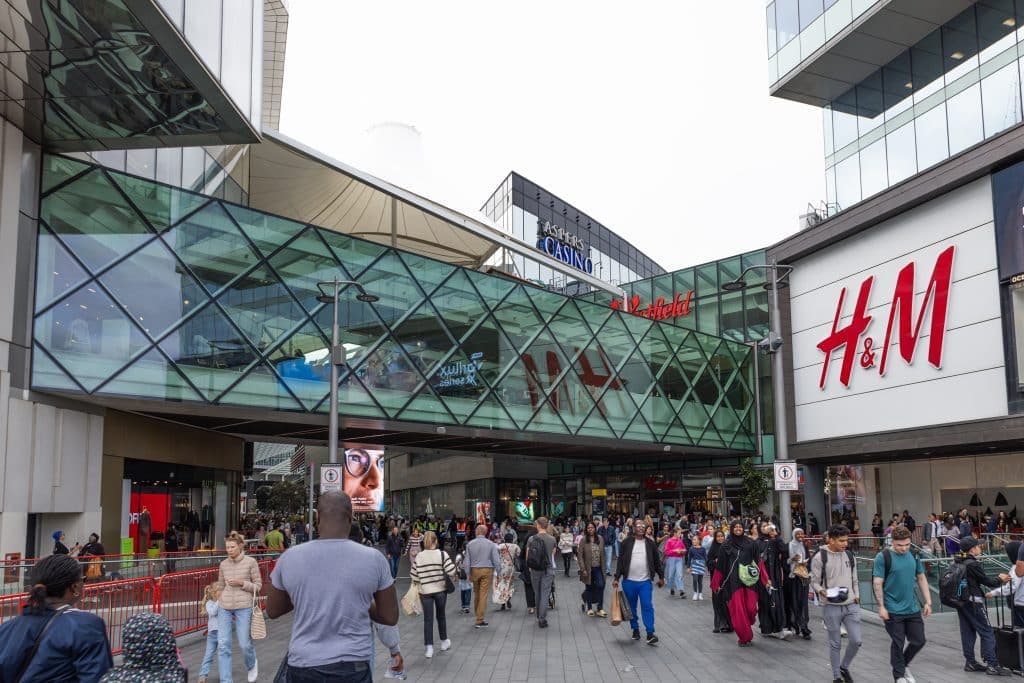
“They made a huge gamble, which was that London would win the London 2012 Olympic Games,” he adds. “Because the Westfield Stratford site is right next to the Olympic Park and winning the Games would be a huge fillip to the success of the center, they decided to push the button on construction even before London was awarded the event.
"As well as having the confidence in the location, they believed they also had the confidence of their brands and their anchor stores such as Marks & Spencer, John Lewis, Waitrose and several other key fashion anchors. In both those projects, real estate marketing played a huge role in demonstrating the attractiveness of the two new destinations to those brands and stores around the world.”
Success factors
But what, as one student asked during the session, are the key factors that make a luxury retail destination and a customer journey successful? For Dan, it’s a question of architecture and design.
“Customer journey is an interesting and well-used phrase,” he says. “In this sense, you're literally talking about the customer's journey into your real estate and how it works and operates. Some say that journey starts at the breakfast table. I think the main elements involve understanding the customer’s shopping habits and how they engage with and experience your retail destination. In the UAE and Saudi Arabia, you have a lot of shopping destinations being developed from scratch and this can be designed with all this in mind, whereas in other destinations and cities the facilities have grown more organically – and design and marketing interventions are critical.”
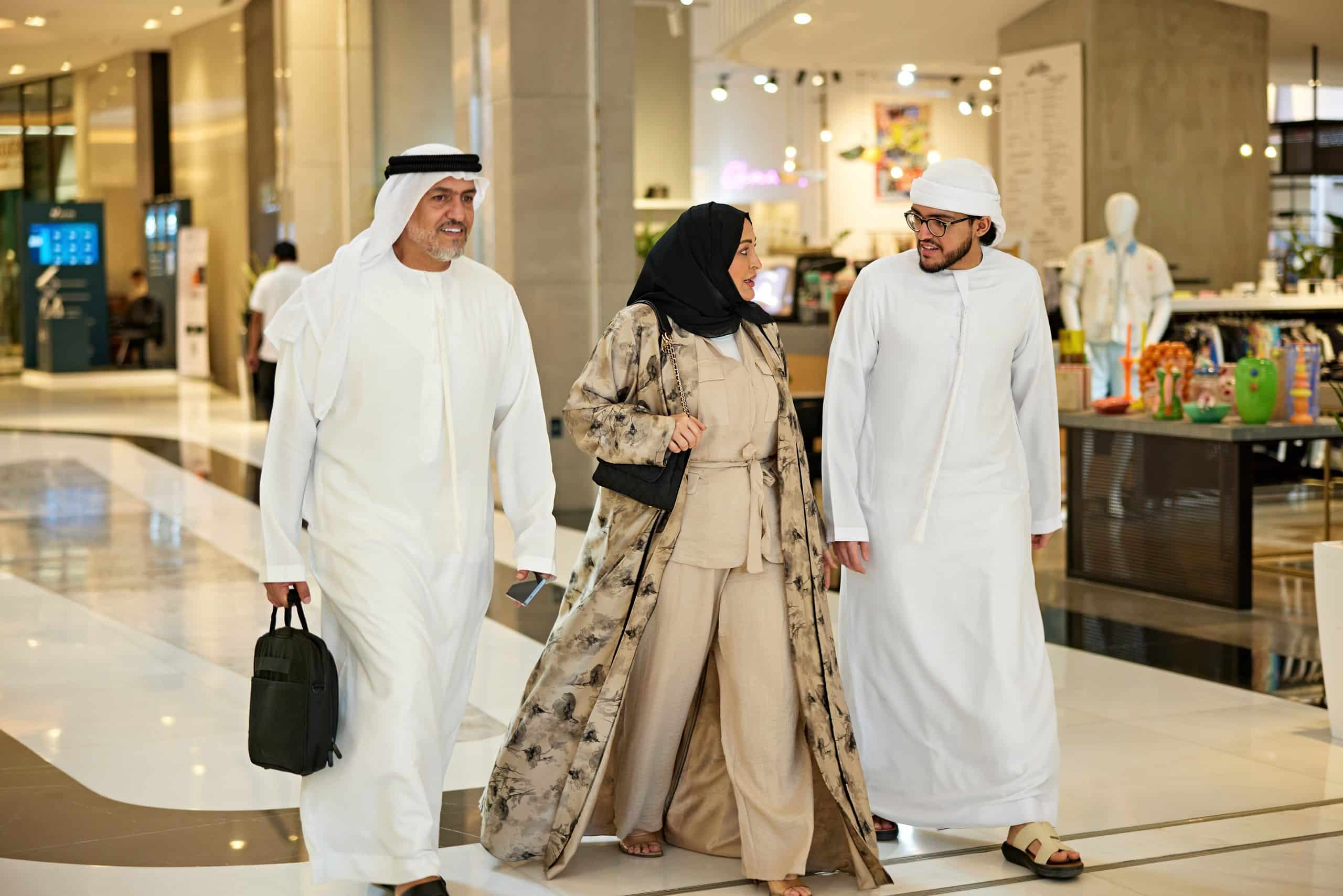
When it comes to luxury retail, where experience is key, Dan went further, pointing out physical stores were playing a much broader role than they had in the past.
“The bricks and mortar store is not just where the sale takes place,” he says. “Especially for a luxury house, I think a physical store functions as a number of different things: a transaction environment, a statement and even the entire experience of what that brand embodies. It has to connect with the consumer.
“It's also becoming a media platform and a customer acquisition channel as well, converting new people to the brand. It’s important to remember we’re not just talking about flagship stores either – there are boutiques, concept stores, resort shops, concessions and pop-ups, all doing something slightly different.”
Repurposing retail spaces
According to Dan, luxury retail has been undergoing significant changes during the past two decades in terms of the way they are designed and managed and their purpose.
“I've seen two or three different things happening over the past 20 years,” he says. “One of them is this question of what a flagship store or ‘brand palace’ is. The size of the store has increased and that has come at the same time as a reduction in actual sales per square foot. Why? Because brands are investing more money into the scale of the store to engage better with the customer.
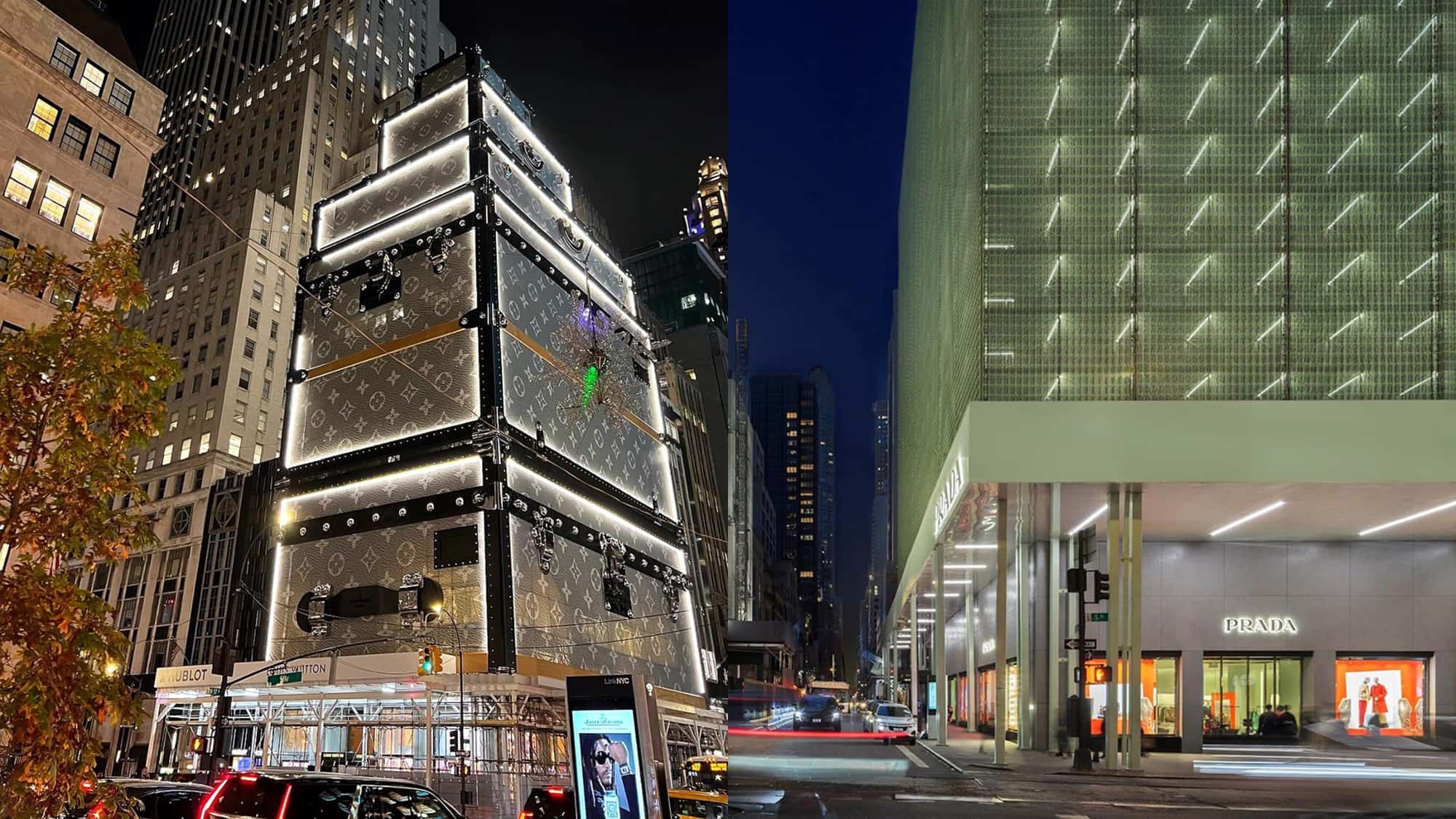
“Brands such as Burberry and Prada have introduced cafés, while major sports brands such as Nike have established running clubs or other membership platforms that in some cases aren’t even associated with products. In short, stores have become bigger, scarcer, better and more engaging.”
But if, for example, they are aiming to transform their brand – as one student asked – how important is the physical retail environment?
“I’ll give you the example of Gucci,” says Dan. “Gucci needs real estate. It's a vital part of the company’s reinvention because it needs to remind the existing audience of who they are as well as building up a compelling offer for a new tribe. But real estate needs Gucci too. Because Gucci – along with other brands such as Ralph Lauren and Apple – are looking to control the space around their stores as well.
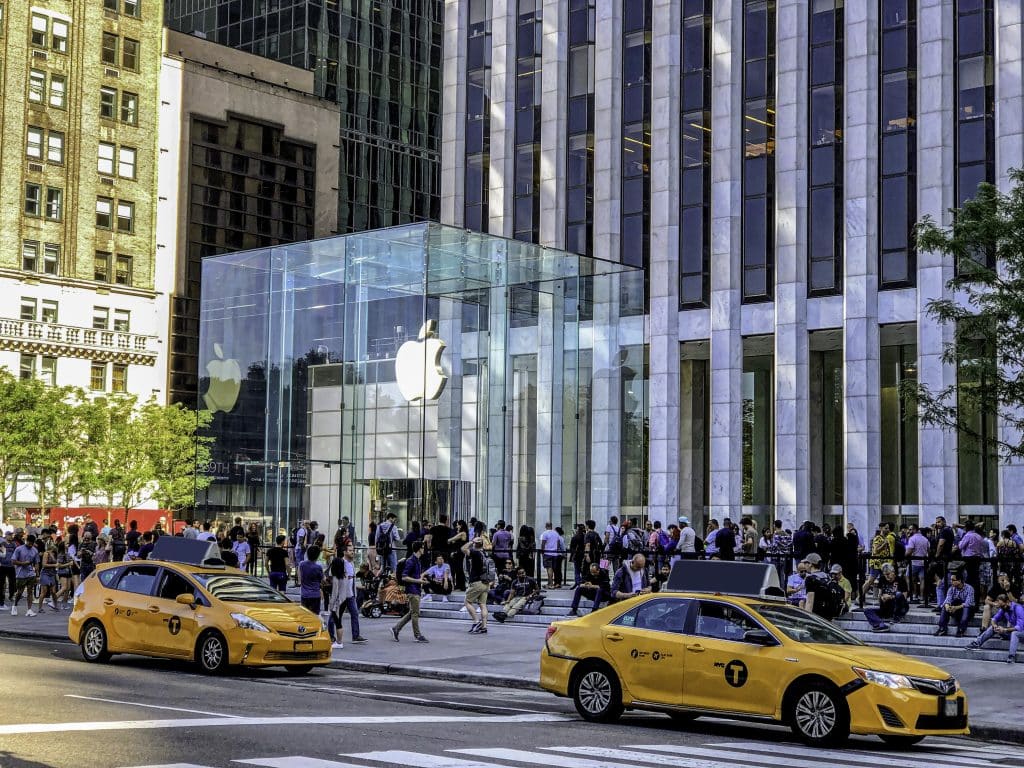
“One of Apple’s original stores has a big glass cube as its entrance on Fifth Avenue in New York (see photo). It was avant-garde, an incredibly engaging store, made great use of space beneath and created a lot of buzz. Now they’re looking for other destinations where they can do a similar thing and control the environment around the store with features such as the Apple Café and advertising displays. They’ve briefly landed a similar space in Stockholm around a huge plaza to continue this trend, but the city blocked it, which was a real shame. So what we’re seeing is real estate developers and progressive cities actively creating spaces to give brands such as Gucci and Apple a stage.”
Ultimate destination
In a question about the future of luxury retail, Dan was asked to consider whether this kind of development will lead to brands becoming destinations in themselves or would they still need a luxury ecosystem surrounding them to thrive?
“Louis Vuitton is the bellwether,” says Dan. “It’s the master of new markets, finding destinations that may not have all the trappings of a luxury retail market, but do have a consumer luxury shopper ecosystem. Of course, it’s safer to open only in established places, but there is greater potential to capture market share in more pioneering locations.
“So in that sense, Louis Vuitton is proving brands can become destinations in themselves. And where they go, others follow. We are almost at the point where, if a shopping destination signs Louis Vuitton, that triggers a huge number of other lettings.
“What's fascinating to consider is what the future of luxury may be and the changes we may see. My view is that, while it’s not possible to determine exactly what kind of luxury retail will be successful and when, we have a lot more data at our fingertips to make forecasts. And with technology such as AI, we can process that data and spot trends incredibly quickly.
“It's an exciting time for understanding what's happening because we can see it in real time and we can now sift through what would previously have taken weeks in mere minutes.”
• To discover more about Innesco, visit the website
Photo credits
IKEA store: Alicia G. Monedero/Getty
Westfield Stratford: Tartezy/Getty
Dubai Mall: xavierarnau/Getty
Apple Store Fifth Avenue: ©fitopardo/Getty
Build a leadership career in luxury
The Executive Master of Advanced Studies in Luxury Management and Guest Experience from Glion offers flexible, self-paced study that allows you to sharpen your luxury business knowledge without giving up your current role.