By now, we are quite familiar with brand exhibitions and their various forms – those that celebrate the brand universe or ones sponsored by the brand that highlight a particular artist or movement. Most of us know them through the nationwide, at times even global, spectacle they create. They are undoubtedly a staple in the luxury artification lexicon.
Yet there are many other strategic levers a luxury brand can pull to enrich the artistic and cultural landscape, and South Korea offers one of the best ecosystems to analyze given the abundance of examples.
While I will not explore the full spectrum of these initiatives here, I will discuss a few selected types of engagement I consider essential to understanding the opportunities for meaningful contribution available to both artist and brand. Each engages a distinct segment of the audience and serves a unique purpose, operating on different timelines of value creation.
The product
Product collaborations are what first drew me to the awe-inspiring world of art and luxury. Who wouldn't love to carry a tangible fragment of their favorite artist's universe? This is among the most commercial tools available, but I consider it one of the most important in making art accessible to the wider public.
While we don't hesitate to listen to music in a language we don't understand, many are too intimidated to set foot in a museum or gallery – not because they don't enjoy it, but for fear of not understanding it. Commercial spaces don’t pose that barrier, and they can serve as a first window into the art world. While these meeting points between art and brand still require expert oversight to ensure quality of output, product collaborations remain the perfect way to bring art into daily life.
Only a select few will be able to afford a limited-edition, artist-signed bag – but the rest can enjoy encountering such pieces in stores, magazines, or social media, and thus be prompted to dig a little deeper. Here, luxury goods become bridges – while simultaneously generating immediate commercial sales for the brand.
Louis Vuitton Artycapucines
A prime example is the Louis Vuitton Artycapucines project, launched in 2019. Three years after its inception, the brand collaborated with the world-renowned Dansaekhwa master Park Seo-Bo – the first and, so far, only Korean artist invited by the brand (see main image). For those less familiar with Korean art: Dansaekhwa, or Korean monochrome painting, is a movement that emerged in the 1950s and is represented by some of the most masterful artists Korean culture has ever produced.
This was a highly meaningful collaboration as it built on an existing relationship between the brand and the artist: Park's paintings had previously been featured during a brand activation in Korea, and he contributed to the Seoul edition of the brand's City Guide series. But what truly distinguishes this initiative is the care taken to translate Park Seo-Bo's signature painting technique into product texture. We live in an era where a new collaboration is announced almost daily; yet, as this project proves, a confident ‘why’ and ‘how’ are crucial to ensuring authenticity and helping such initiatives avoid becoming mere one-off marketing stunts.
Dior Lady Art
Dior has cultivated one of the most impressive portfolios of sustained dialogue with the Korean art world. The Dior Lady Art project, launched in 2016, is the most well-documented example – the recently published book Dior Lady Art: The Lady Dior Reinvented by 99 Artists stands as clear testimony.
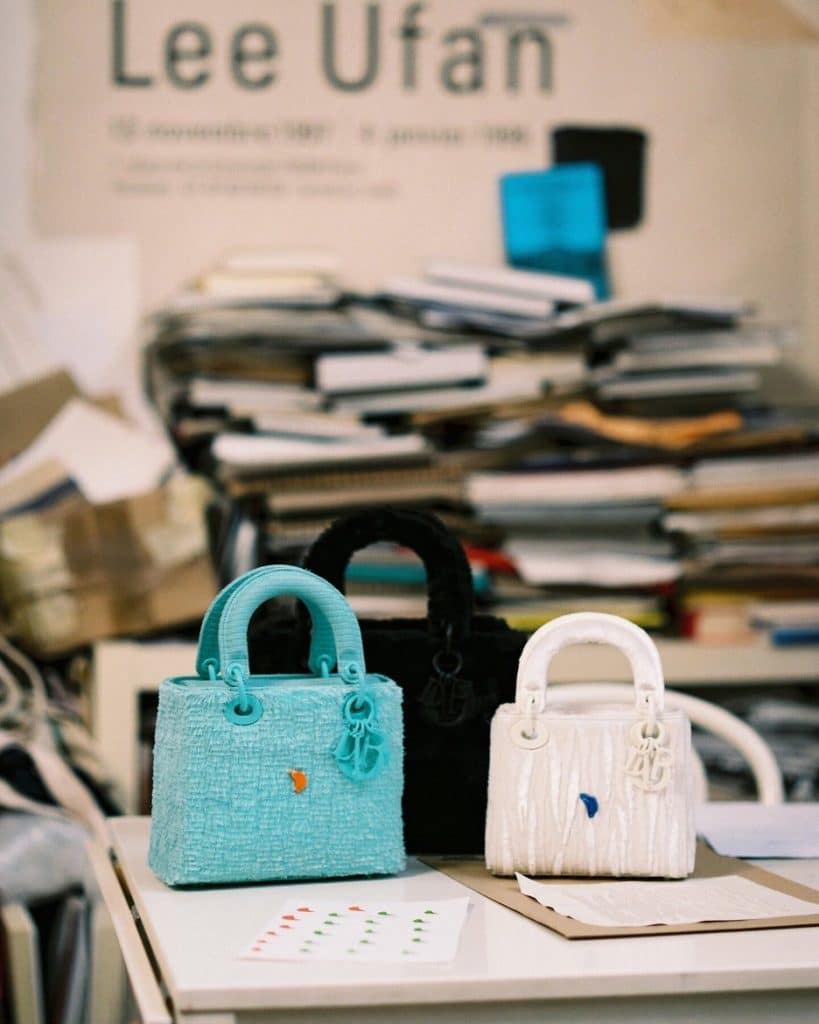
Lee Bul was the first Korean artist to participate, joining in 2017. Since then, the maison has nurtured this relationship with the Korean art scene with remarkable consistency, having invited eight additional Korean artists over the years. Dior Lady Art #8, in 2024, featured designs by Ha Chong-Hyun – another Dansaekhwa legend – and Lee Kun-Yong, one of the most renowned representatives of the Korean avant-garde. The most recent edition, Dior Lady Art #10, welcomed Lee Ufan, arguably one of Korea's most influential artists of all time (see photo).
But what truly stands out is not just the impressive mix of approximately 30 artists – blue-chip and rising talents – across Dior's project portfolio. The house has built an intricate ecosystem that seamlessly integrates Korea's pop culture, enabling organic, meaningful interactions – best illustrated by the spontaneous exchange between artist Ha Chong-Hyun and brand ambassador Jisoo of BLACKPINK. After the singer held one of Ha's Dior creations in a fashion editorial, some members of her fandom created content introducing the artist to millions of young followers.
This exchange between two often-opposed worlds – high culture and pop – along with user-generated content that democratized access to art, introduced a new generation to complex artistic narratives. That unscripted, heartfelt dynamic was likely a contributing factor in Dior becoming the third luxury brand to surpass 1 trillion Korean Won (approx. USD 650 million) in revenue that year.
The award
With awards, we move into different territory: that of cultural patronage and authority, legitimizing luxury brands' position as guardians of culture. A bold claim, perhaps, but a well-founded one – at their origin, luxury and art are so deeply intertwined that separating them completely is impossible. Art patronage is a way to give back – lift as you rise – but also a strategic method to connect further with the luxury audience, many of whom are art connoisseurs and collectors.
This mode, too, takes multiple forms: a brand can create its own award or join an existing one as a sponsor; and some do both as they build sophisticated relationships within the art world. Both are meaningful, as both inject much-needed capital into the ecosystem, sustaining the institution as well as the recipient: the artist.
While the following examples focus on brand-led awards due to their immense global impact, there is significant value in the alternative form. Fondation Cartier’s support of the SONGEUN Art Award – established by the SONGEUN Art and Cultural Foundation in 2001 – is particularly notable in this regard. The partnership was forged in 2021 and allows for the purchase of two additional works from the Grand Prize winner, placing them in the collections of the SONGEUN Art and Cultural Foundation and the Seoul Museum of Art, one of the most prominent South Korean public museums.
Hermès Foundation Missulsang Art Prize
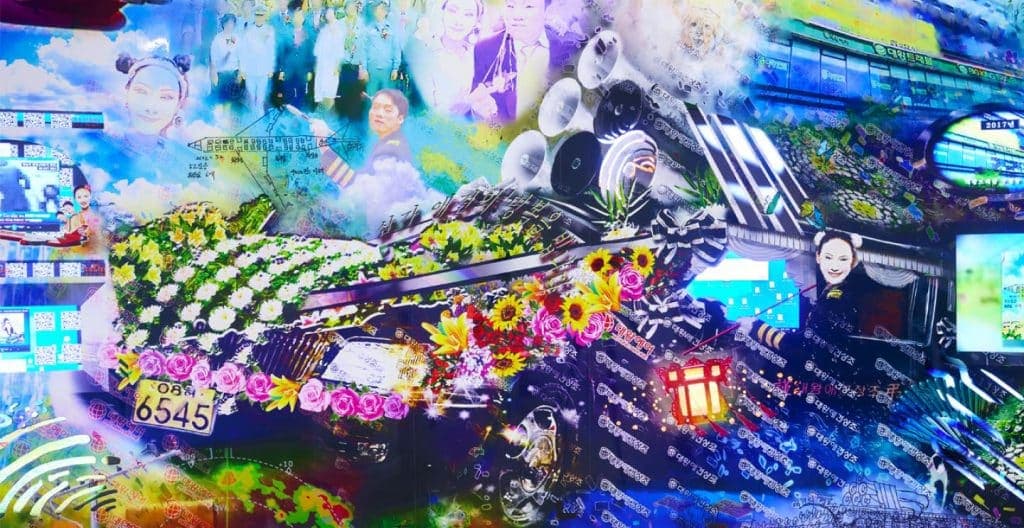
Hermès' contribution to the Korean art scene stands as one of the most profound examples in the industry. Established in 2000 – originally annual, and biennial since 2015 – the prize launched long before Korea marked its definitive presence on the international arena with the enormous success of the Dansaekhwa exhibition, a satellite event to the 56th Venice Biennale in 2015.
It preceded by years the moment when Korean luxury consumers were named the highest per-capita spenders in the world in a 2022 Morgan Stanley report. In 2026, the phenomenon of K-Culture has reached nearly every corner of the globe, and there is undisputed value in engaging with the Korean art scene. But the turn of the century? Chapeau bas, Hermès! One has to acknowledge the deep foresight held by the brand's management and the impressive commitment to culture evident in the decision to establish a long-term cultural initiative based on the faintest of signals.
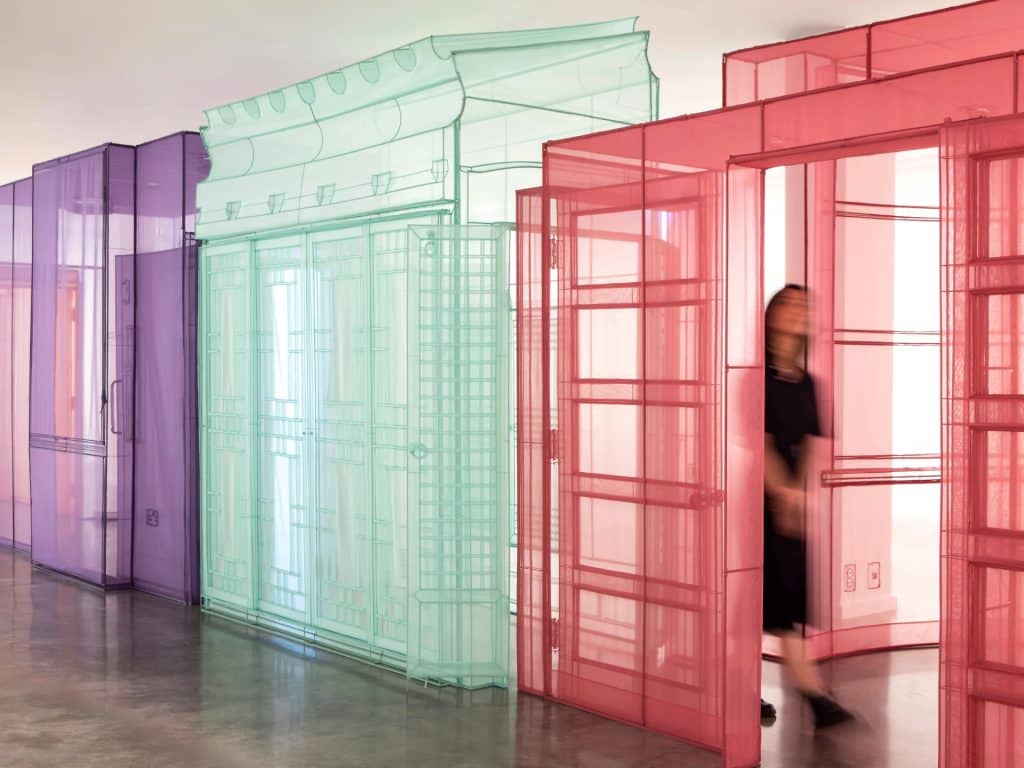
What truly distinguishes the prize is that from the outset, it focused on young artists, providing them with a vital platform in an environment where even many representatives of the older generation were still working toward becoming established. Interestingly, Hermès proved to have a remarkable eye for world-class talent. In 2003, it awarded Do Ho Suh, who in 2025 held a major solo survey exhibition at London's Tate Modern; in 2005, Koo Jeong-A received the award and later represented South Korea at the 60th Venice Biennale in 2024.
These bold, early investments clearly paid off. With nearly three decades of contributing to the local art scene – the prize remains eagerly covered by industry outlets – Hermès has built an unmatched cultural legacy in what has now become the world's newest art hub.
LOEWE Craft Prize
The global impact of the LOEWE Craft Prize is undisputed. The cultural capital created in the short time since its inception in 2016 has helped one of the world's oldest luxury houses become one of the most desired by modern consumers.
What is less widely known outside Korea, however, is the almost serendipitous alignment between the prize and the craft renaissance currently underway in the Korean art scene. (For those interested in the topic, I recommend Jeong: The Spirit of Korean Craft and Design published by Phaidon in 2026).
While many wait for the discovery of a new artistic movement to match the stardom of Dansaekhwa, others argue that perhaps it has already arrived in the form of a revival of craftsmanship – thanks both to well-preserved heritage (miraculous, considering the country's tragic history) and an injection of modernity by new talent.
There are multiple contributing factors, as always; yet art director and curator Hyeyoung Cho, with her unmatched knowledge of Korean craft and her work championing it at home and abroad, was undeniably among them. Her presence alone undoubtedly encouraged many artists to engage with global audiences through initiatives like the LOEWE prize, where she serves on the Expert Panel screening the competition.
Over nine editions of the LOEWE Craft Prize, 42 Korean artists have been selected as finalists – representing nearly one-sixth of the total pool of 265 globally. Among them, young artist Dahye Jeong won the prize in 2022 with her works created using the distinctive 500-year-old horsehair weaving technique.
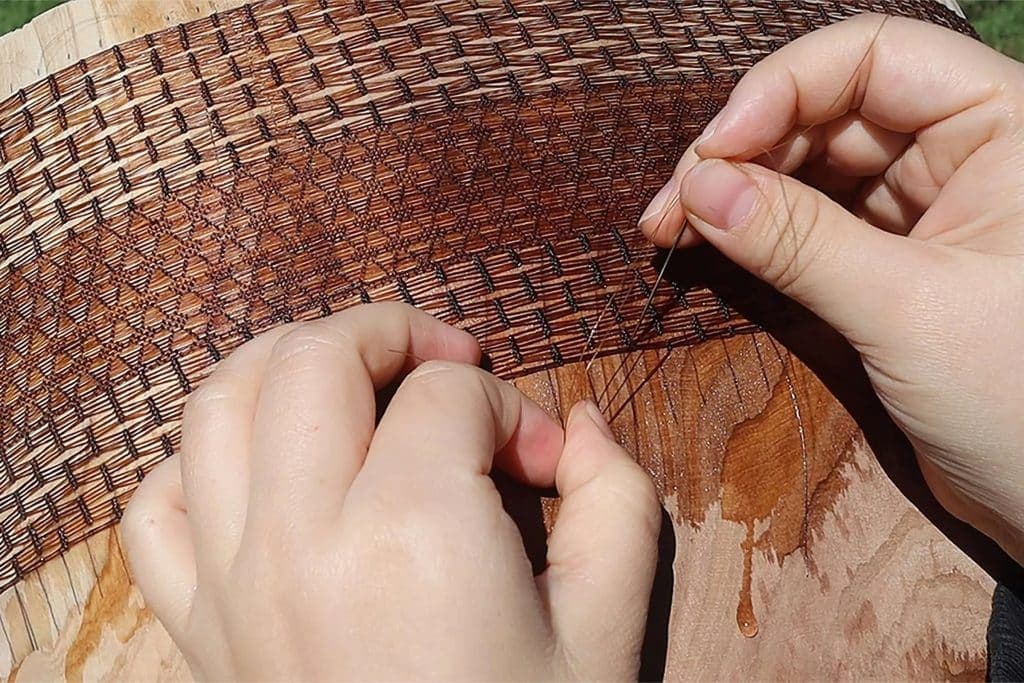
Jeong has continued to receive global acclaim ever since; her deeply traditional technique also makes her an ideal candidate to represent Korea internationally. She recently participated in the APEC 2025 Korea exhibition Korean Crafts 2025: Heritage for Tomorrow. Lee Jaiik, a finalist of the 2023 Craft Prize, held his first solo exhibition at the renowned Salon 94 Design in early 2026 and continues to appear across numerous art events.
With the opening of its flagship store in 2024, Casa LOEWE Seoul, the brand now has a dedicated space to permanently exhibit artwork, host artist talks, and coordinate events coinciding with Seoul Art Week – further energizing the local art scene.
While these cultural contributions form only part of the brand's broader success, shining a spotlight on Korean talent has helped build a deep connection with Korean clientele, who typically lean toward monochrome fashion aesthetics, despite the brand's somewhat quirky character.
There are a multitude of ways the world of luxury can engage with art. Aside from exhibitions, product-based collaborations and awards tend to be the most prominent forms of engagement, warranting closer examination. While they all contribute to a brand's cultural capital – keeping it emotionally connected to its audience here and now, beyond its decades- or centuries-old heritage – they reach distinct customer segments and cannot all be expected to produce immediate financial returns.
In today's oversaturated landscape, authenticity, legitimacy, and a legacy rooted in art serve not only as a moral endorsement for luxury brands but also as a source of much-needed competitive advantage that compounds over time.
More than that, for those who have invested genuinely and consistently, these qualities act as a buffer against current market volatility – transforming art from mere content into a shield and a badge.
About the author
Dominika Kustosz-Lee is Founder and Principal Consultant at dkl & COMPANY. She holds an Executive Master in Luxury Management from SDA Bocconi in Milan and is a researcher and speaker on luxury artification in the Korean context. She brings practitioner experience in luxury and art markets.
A resident of Korea for 17 years and a Korean citizen since 2020, she earned degrees in Korean Studies and Ethnolinguistics from Adam Mickiewicz University in Poland, as well as in Western Painting from Ewha Womans University in Seoul, where she studied as a recipient of the Korean Government Scholarship.
Find Dominika at https://www.linkedin.com/in/dominikakustoszlee/
• Click here to read Dominika's first piece for The Insider.
Immerse yourself in luxury
The Executive Master of Advanced Studies in Luxury Management and Guest Experience from Glion offers flexible, self-paced study that allows you to sharpen your luxury business knowledge without giving up your current role.