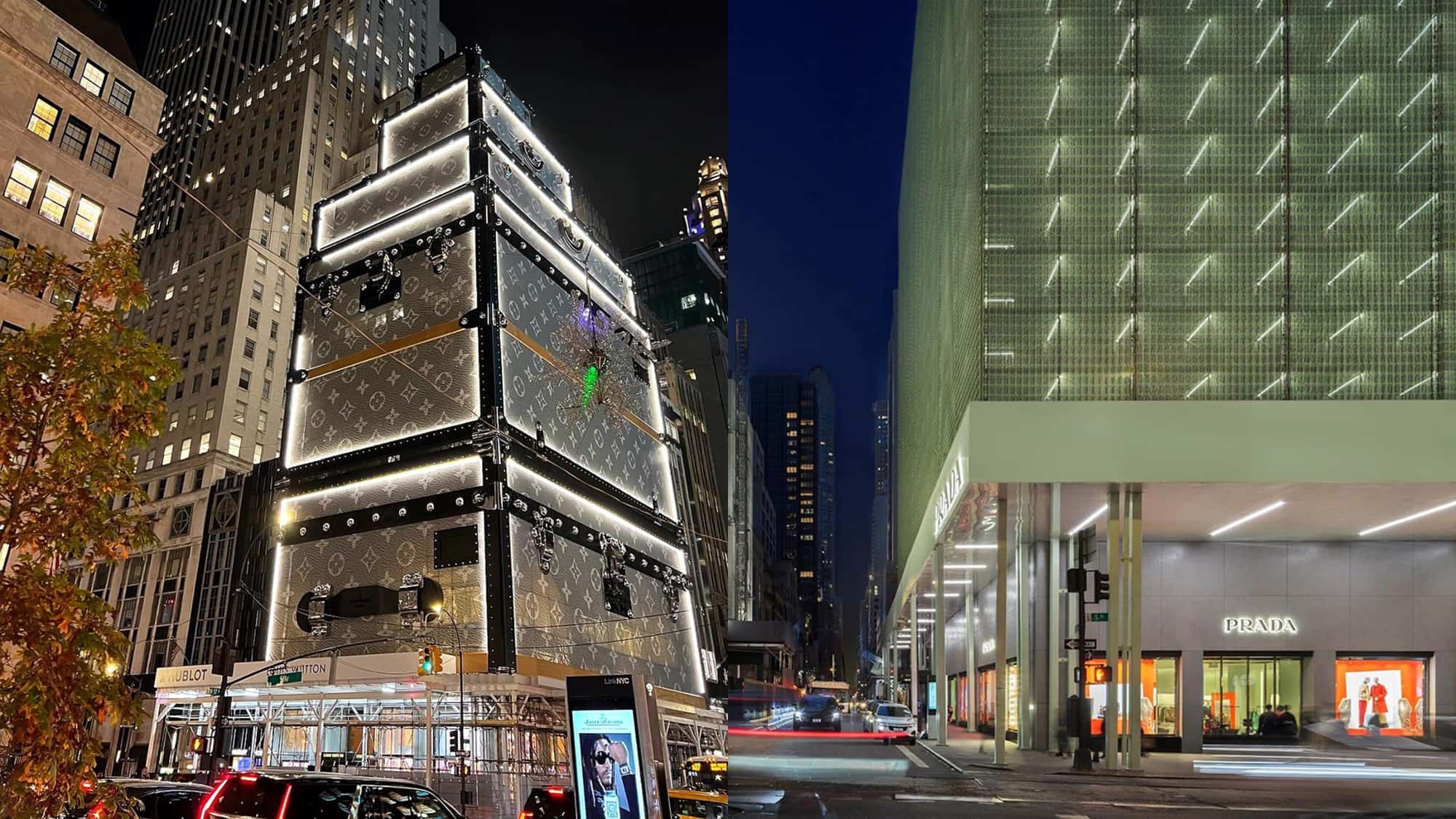

In the dying embers of the 19th century, the American economist Thorstein Veblen introduced a concept that’s been a major topic of academic research and commentary throughout the decades since his death in 1929.
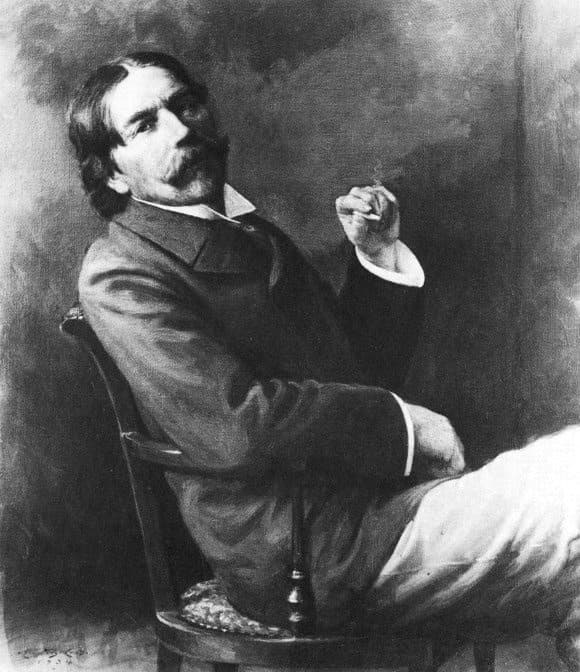
Conspicuous consumption was the term coined by Veblen* to describe the extravagant lifestyles of a newly wealthy elite (nouveaux riches) which came to prominence in the so-called Gilded Age and were famous for their lavish, money-no-object parties among other excesses.
Perhaps influenced by his austere Nordic roots, Veblen adopted a stance that was critical of this new social phenomenon. As just one example, he railed against the use of handmade silver cutlery instead of the more practical manufactured stainless-steel alternatives. In consequence, his book The Theory of the Leisure Class, while intended as economic theory, was instead adopted more enthusiastically within the field of social science.
Given her intense interest in the role of status signaling among luxury consumers and human society more widely, Veblen’s work and the subsequent interpretations of it have fascinated Glion faculty member Dr. Evrim De Groot. So much so that she is the lead author of a new research publication, sponsored by Glion and the Swiss National Science Foundation, entitled ‘Conspicuous consumption research: thematic evolution, theoretical structure, and future directions’.
The article, which was published in the prestigious and highly influential Journal of Business Research, examined the abundance of past and present research on conspicuous consumption – 955 articles to be precise – in order to establish future directions of academic study as well as to determine implications for luxury brands and managers.
Evrim, who was joined in this undertaking by fellow academics David Philippy, Burak Tunca and Felicitas Morhart, sat down with The Insider’s Martin Green to put the findings in context.

Contrarian view
“What Veblen wrote flew in the face of prevailing economic theory, which contended that consumers chose products for functional reasons. Veblen’s analysis of this new ‘leisure class’ contended that much of their extravagant consumption was not for reasons of utility but to emphasize their social standing,” Evrim notes.
“Our co-author David Philippy, who is Professor of Economics, specialized in the history of economic thought, says that the critical tone Veblen adopted was not regarded by his peers as commensurate with the role of an economist; and that helps to explain why his book didn’t gain currency among that profession but instead fell more into the realms of sociology.”
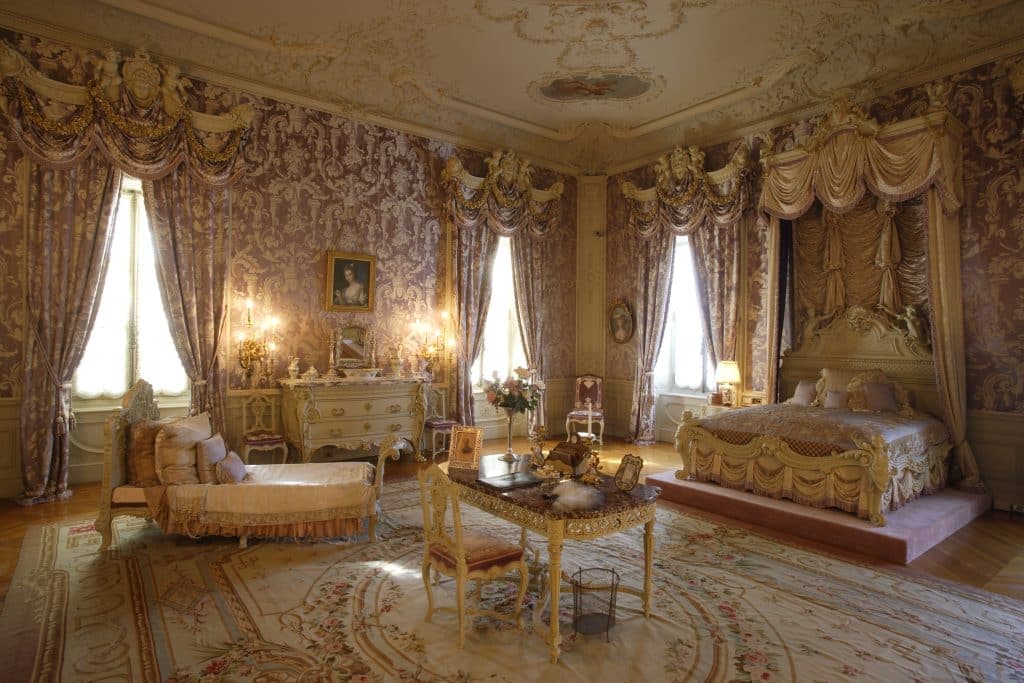
In fact, with a new century beginning immediately after the publication of Veblen’s book the concept remained relatively overlooked until after the Second World War, when – in the United States especially – a golden period of affluence and consumption saw the acquisition of goods become widely viewed as a pathway to personal happiness.
“In the 1950s this gave rise to a series of landmark articles on conspicuous consumption which have been cited academically thousands of times,” Evrim continues. “One such article is by Harvey Leibenstein in 1950, who introduced the bandwagon, snob, and Veblen effects, terminology that we still use today.”
This helped to draw Veblen’s research into the orbit of the economists, with his ideas finding their way into economic models of the time. The big difference, of course, is that Veblen was writing about an extremely small group of nouveaux riches living in and around the New York area, whereas by the 1950s we had a vast, rising middle class for whom consumption became part of their identity.
Today we look back on that era with fascination and not a little nostalgia, spurred by iconic TV series like Mad Men. But in the real world of the 21st century the axis has swung again, with conspicuous consumption being seen less in context of procuring goods and more in terms of acquiring social standing through various costly signaling mechanisms.
This is very much home territory for Evrim, who adds, “In the 2000s onwards this topic was dominated by evolutionary psychology, with marketing also joining the conversation. And this brought forward the concept of costly signaling, which we hadn’t really seen in previous research. By this definition the object or service involved in conspicuous consumption doesn’t have to be expensive or rare, it simply needs to be socially legible enough to function as a signal of status.”
Social signals
Such a notion has been supercharged by the rise of social media, which has transformed what were once privately held views and preferences into something much more publicly visible and influential. Now social status can be signaled not just by having the ‘right’ views, but more explicitly through the authenticity and social costliness of taking a visible stance on a matter of conjecture.
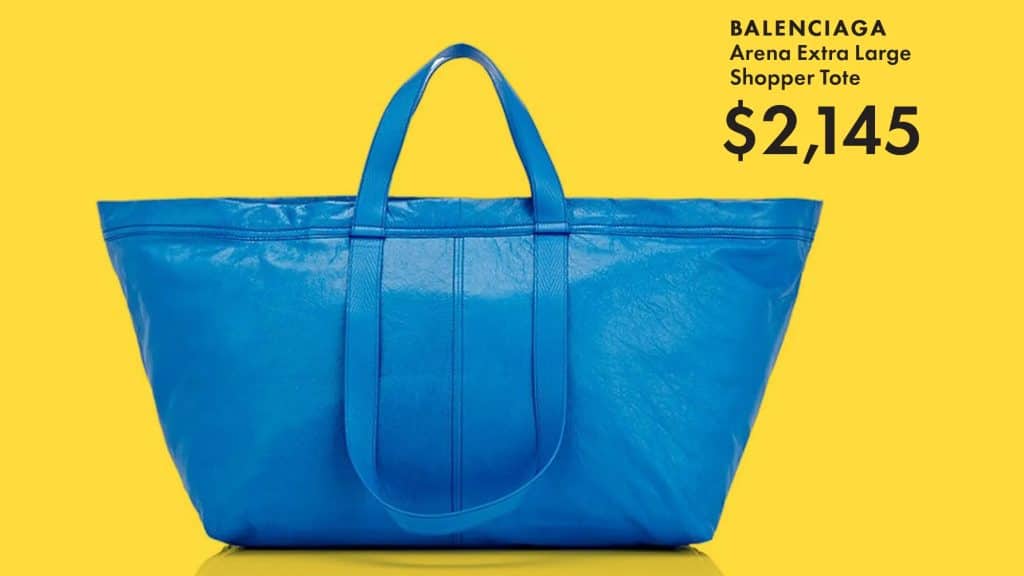
“In relation to the luxury industry we see this manifest itself in products like the Balenciaga ‘IKEA bag’ I referred to in my previous article for The Insider. By carrying that bag, the owner is signaling that they possess a status which places them beyond any possibility that it might be misconstrued as an actual IKEA carrier bag.
“Today we also talk about so-called ‘inconspicuous consumption’, sometimes characterized as ‘stealth wealth’ or ‘silent luxury’. These are not logo-forward products that very obviously associate with a brand; it’s an aesthetic that will be recognized by those in-the-know and where quality of materials and workmanship are to the fore. Loro Piana shoes would be just one example.”
The new, new rich
Another factor that cannot be ignored is the changing nature of the global elite, with fortunes made in technology and cryptocurrencies propelling a very different cohort into the UHNW (ultra-high net worth) category. Evrim feels this is among the topics thrown up by her article which are ripe for further research.
“From the one paper I’ve read, it appears these new elites are less impressed by the trappings of conventional luxury, whereas for them time is the most precious resource. Their real luxury is convenience – being provided with highly personalized services any time they want and at the location of their choosing. These are people with global lives, lived 24/7. It could not be further from the ‘leisure class’ that was the subject of Veblen’s original research,” she says.
In fact, today’s leisure class is more likely to have been forced into that position by the various wars and economic shocks which seem to have proliferated since the Global Financial Crisis of 2008. This in turn has engendered a distrust and even hatred of commerce and capitalism, which is no longer seen by many as fair or equitable. Such sentiments matter immensely to a luxury industry which for generations has traded on the idea of flaunting wealth.

This in turn has given rise to what Evrim refers to as ‘luxury shaming’. She references one article studied for her paper which reported luxury consumers carrying a plain bag with them, so that their expensive purchases could be carried from the luxury boutique ‘incognito’. Given the obvious implications, this is an area that Evrim feels the luxury sector should be more invested in, from a research and insights point of view.
Immortality knocks?
While flourishing superyacht order books prove that ostentation is still in fashion in some quarters, at the very summit of the elite scale different modes of conspicuous consumption seem to be coming into play. Financing interplanetary exploration is perhaps the ultimate example of this, but Evrim sees such moves as a symbol that more fundamental human desires are coming into play among today’s billionaire class.
“For many of these individuals, the ultimate status symbol is immortality,” she says. “And by that I mean both extending one’s own healthy life but also achieving immortality for your name by inventing or developing something that everyone will remember you for. We see evidence of the former in the significant expansion of ultra high-end wellness and longevity clinics, which have become an important part of the global luxury sector.”
The end of conspicuous consumption?
Amid the present societal tumult, could the product-centric conspicuous consumption as we’ve known it simply disappear as a concept? Evrim thinks not.
“The reason why is that the acquisition of status has been a universal human drive throughout our existence as a species, as has been the concept of prestige-based hierarchies. What will continue to evolve is the way conspicuous consumption manifests in our society.”
“While this dynamic nature of status signaling undoubtedly represents a challenge for makers of luxury products, at the same time it is a genuine opportunity, because buying fewer but better made items which one can keep for longer is the definition of sustainability, and this relates strongly to the product quality and durability that’s inherent in luxury clothing and accessories,” she concludes.
As the ever-evolving definitions of conspicuous consumption demonstrate, agility is essential for luxury brands to move with the times. The successful brands of the future will be those who understand what that future is going to look like, and how their products and services must adapt to stay relevant among an informed, opinionated and often time-poor consumer cohort that would be unrecognizable to Thorstein Veblen if he were to walk among us today.
“Conspicuous consumption research: Thematic evolution, theoretical structure, and future directions" by Evrim De Groot, David Philippy, Burak Tunca, and Felicitas Morhart was published in the Journal of Business Research, Vol. 215 (2026). https://doi.org/10.1016/j.jbusres.2026.116307
• Read this article to discover more about Glion’s evolving applied research activities.
Photo credits
Main image: Prostock-Studio/Getty
Marble House: Franz Marc Frei/Getty
Lamborghini Miura: Raul Rodriguez/Getty
Evrim De Groot portrait: Stephane Kurdyban
*some academics have argued that the term was first used much earlier, in 1834, by the Scottish-Canadian economist John Rae.
Be wise, specialize
Luxury Brand Strategy is one of three academic specializations available to students of our Bachelor’s in International Hospitality Business. Click the link to discover more.