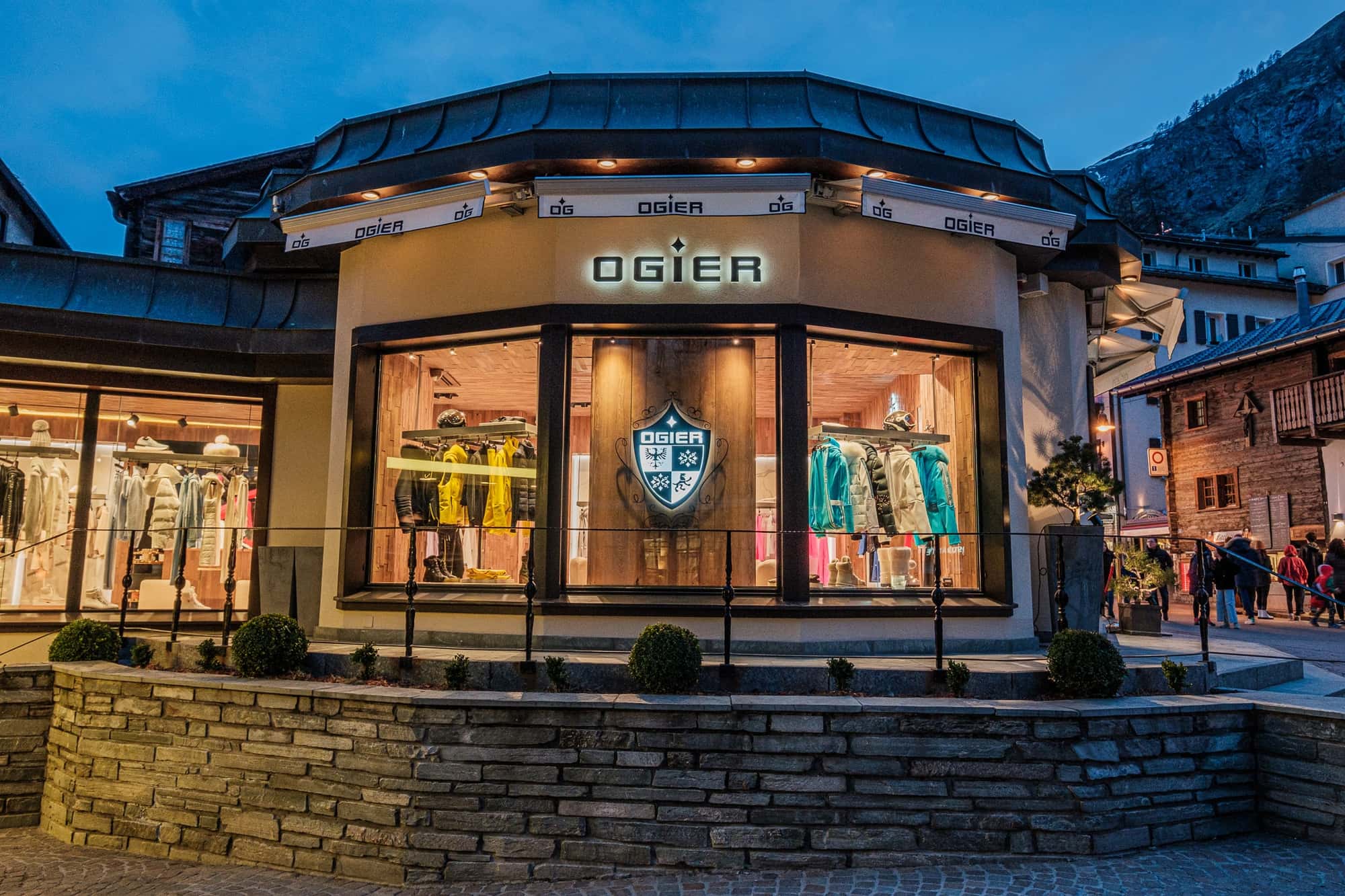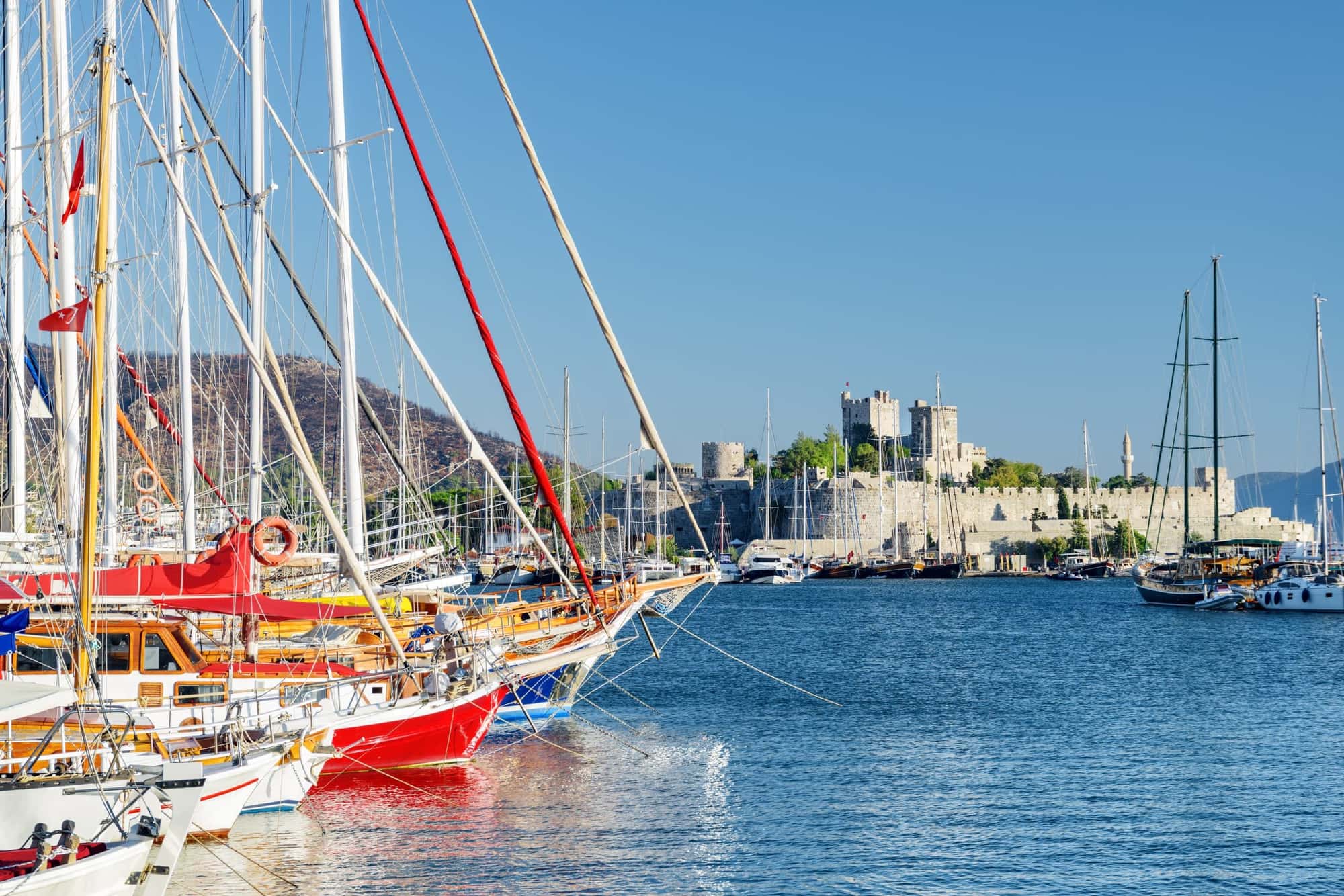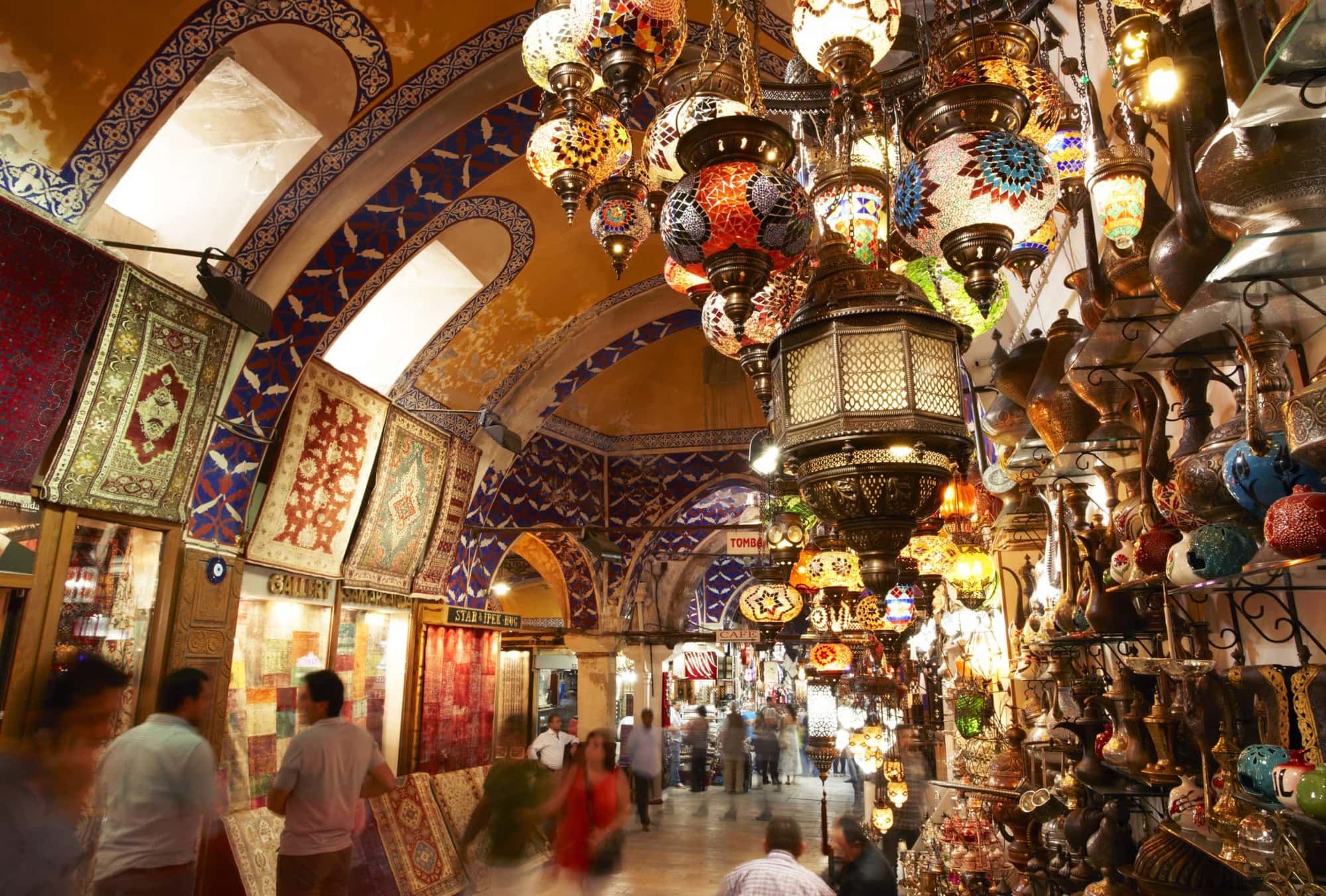
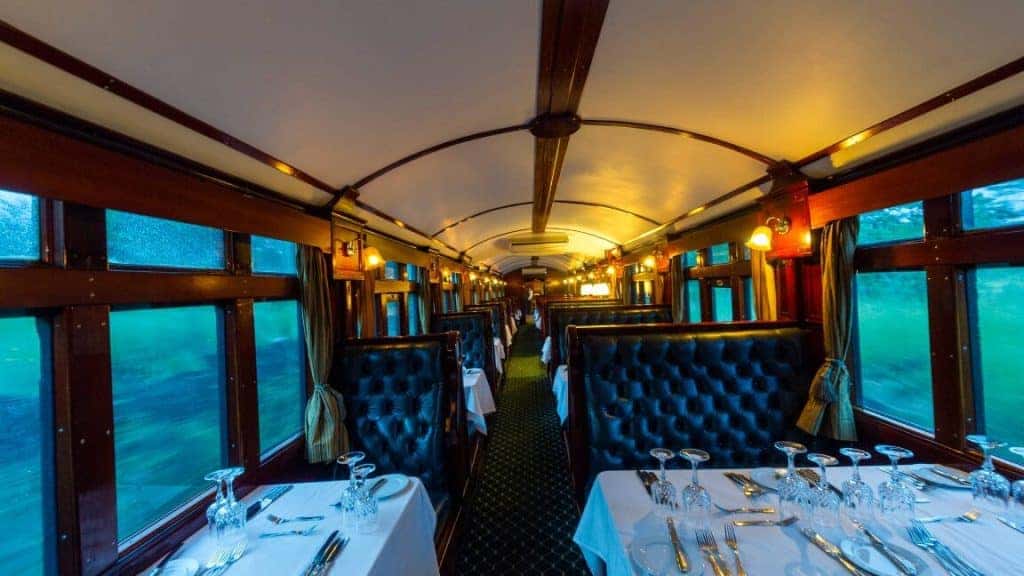
The definition of luxury has changed in recent times. Where once gold taps and chandeliers did the talking, today’s luxury travel experiences focus more on emotional connection, personalized service and authentic, immersive experiences. This evolution has transformed the luxury tourism sector, with high-end travel now driven by people who seek both opulence and meaning.
Luxury travelers today expect their trips to offer personal growth and memorable experiences they can share.
Redefining luxury in modern tourism
Exclusivity is more about how something makes you feel rather than what it costs. The luxury segment has evolved into a market where affluent individuals, from millennial travelers to high-net-worth individuals, are seeking exceptional experiences rather than traditional symbols of wealth.
These travelers want private tours of cultural landmarks, personalized wellness experiences and adventure with comfort. Think of trips such as African safaris with luxury accommodation or culinary tours through historic cities. The demand for experiential luxury has led to a wider range of travel choices tailored to different types of travelers, from large families to solo adventurers.
Details such as discreet concierge services, personalized itineraries and bespoke tourism offerings are now expected. Luxury tourism today combines exclusivity with customization, whether that’s on a private yacht off the coast of Costa Rica or a hiking trip through Bhutan with fine dining at every stop.
According to Allied Market Research, the luxury travel market is projected to exceed $1.5 trillion by 2031, with affluent travelers prioritizing premium experiences that go beyond the expected.
For many, indulgence now means having the freedom to design your own journey, with access to high-quality services and destinations that are still under the radar.
How hospitality drives high-end travel
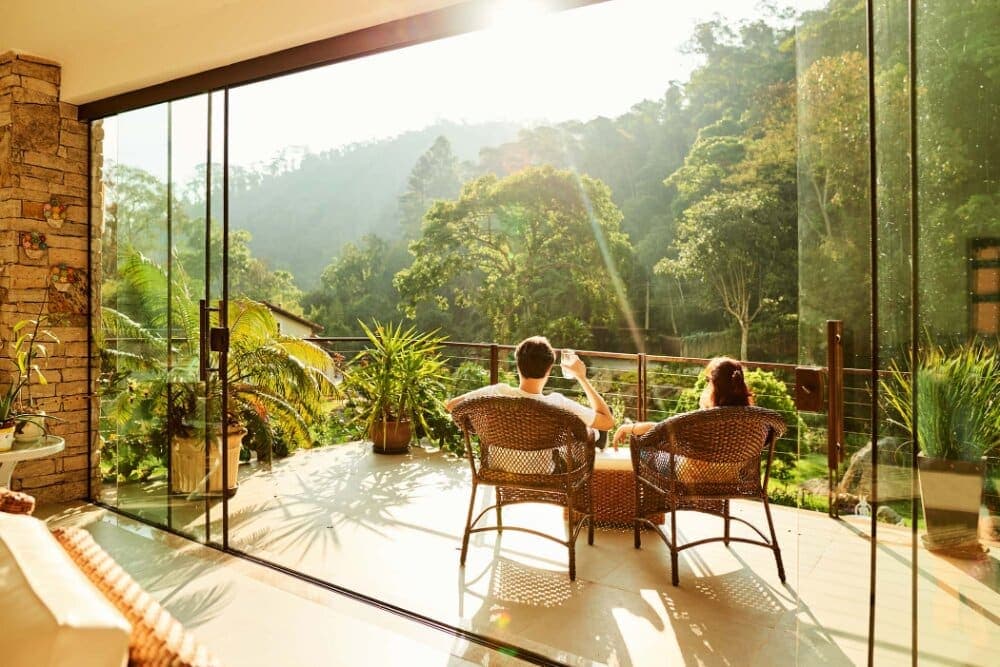
In luxury tourism, it’s the warmth and kindness as well as the scenery that turn a beautiful place into an unforgettable experience. Hospitality professionals are the ones ensuring every part of the trip, from airport transfer to the final farewell, feels effortless, exclusive and entirely personal.
This is especially true in luxury hospitality, where everything from lighting and scent to the tone of a welcome greeting contributes to the overall guest experience. For luxury travelers, comfort is expected, but it’s the moments of genuine care that stand out.
Modern luxury tourists value individualized attention. Personalized service helps luxury brands exceed expectations, whether through digital guest profiling or human intuition. And with market segments such as wellness experiences, luxury cruises and private safaris all growing, service has never been more important.
A well-trained team can make the difference between a standard trip and a transformative experience. Balancing efficiency with empathy, they deliver high-end travel experiences that require meticulous planning and coordination but feel effortless to the guest.
What today’s luxury guests expect
Affluent travelers want to feel like insiders. They’re looking for authentic travel experiences that reflect the culture, people and story of a destination. According to Glion’s insights on hospitality industry trends, luxury travelers are seeking:
- Hyper-personalization: from spa treatments tailored to individual health data to minibars stocked with personal favorites, the experience should feel custom-made
- Space and privacy: think private islands, villa rentals or exclusive accommodation with discreet service
- Wellness and restoration: activities such as biohacking, forest bathing and sleep therapy are key to today’s wellness experiences
- Sustainability: luxury travel brands are expected to demonstrate environmental and social responsibility
One of the appeals of luxury travel is the way it can blend high-end comfort with cultural heritage, creating immersive experiences that resonate long after the trip ends. Some of the best-known names in the luxury travel industry, from Kensington Tours to Micato Safaris and Butterfield & Robinson Inc., are adapting their offerings to suit the values and preferences of today’s wealthy travelers.
“Recent launches by innovative and renowned brands are catering for a new group of ultra-luxury travelers who don’t need to look at the bill and who are demanding an increasingly exceptional way to see the world.” - Angelina Villa-Clarke, Forbes
The market for luxury tourism is growing and evolving. Those working behind the scenes must adapt with it. That’s why programs such as the bachelor in luxury brand management and master’s in customer service are preparing a new generation of experts to lead this transformation.
The rise of bespoke travel
Affluent individuals are increasingly demanding personalized service that reflects their interests, values and lifestyles. This has driven an expansion of bespoke travel: fully customized itineraries curated by experts who understand how to combine comfort, cultural heritage and exclusivity.
These trips may involve private safaris with conservationists, gourmet culinary experiences led by local chefs or access to private art collections. Luxury travel brands such as Abercrombie & Kent USA and Kensington Tours have capitalized on this shift by offering personalized journeys tailored to individual preferences.
For many luxury travelers, the appeal lies in being part of something unique and unrepeated. Private yacht charters, exclusive use of luxury accommodation and immersive experiences designed around personal passions are in high demand.
Even the types of travelers choosing bespoke services are diversifying. Multigenerational travel, solo luxury getaways and romantic escapes are all growing segments, each requiring different approaches to design and service delivery.
Up-and-coming destinations in luxury tourism
While iconic destinations such as the Maldives and Paris continue to thrive, a new wave of lesser-known locations are helping redefine high-end travel:
- Costa Rica: renowned for its biodiversity and eco-resorts, Costa Rica offers an ideal mix of adventure and comfort. Private safaris, yoga retreats and gourmet farm-to-table dining provide a wide range of premium experiences
- Bhutan: this remote Himalayan kingdom prioritizes happiness over GDP and offers mindful, luxurious experiences such as spiritual retreats and guided treks. High-end travel here comes with exclusivity and cultural immersion
- Rwanda: once overlooked, Rwanda is now home to some of Africa’s most luxurious safari lodges. Its combination of political stability, conservation efforts and high-end accommodation makes it a rising star
- The Azores: Portugal’s volcanic island chain is gaining attention for its wellness experiences, sustainability focus and stunning landscapes. It offers a secluded, luxurious alternative to over-visited European locations
- Montenegro: with its Adriatic coastline and boutique hotel offerings, Montenegro delivers luxury without the crowds, making it a new favorite for affluent European travelers
These destinations reflect a shift in the luxury tourism sector toward exclusivity, personal growth and authenticity. They cater to adventurous destination seekers who value comfort and substance.
Sustainable luxury tourism: necessity, not niche
Sustainability has become a core expectation in the luxury tourism industry. Today’s luxury travelers, especially millennials and Gen Z, are more likely to choose brands that demonstrate a genuine commitment to environmental and social impact.
This doesn’t mean compromising on comfort. The best examples of sustainable luxury tourism combine premium experiences with eco-conscious design and community integration. Think private island resorts powered by solar energy, locally sourced gourmet meals or luxury safaris that support wildlife conservation and local employment.
Brands that embrace sustainable practices are not only protecting the destinations that travelers love, they’re also adding value to the experience itself. Guests increasingly view sustainability as part of what makes a destination truly luxurious.
For the industry, this has opened up new opportunities for innovation. Wellness experiences, immersive local interactions and transformative experiences rooted in sustainability are proving to be key differentiators in the luxury travel segment.
The role of luxury tourism professionals: shaping experiences behind the scenes
Behind every luxury holiday is a network of experts making the magic happen. The demand for skilled professionals is rising as the luxury tourism industry becomes more sophisticated. These are experienced designers, cultural liaison officers, sustainability consultants and hospitality tech specialists.
To deliver high-end travel experiences requires a deep understanding of human behavior, cultural nuance and logistical precision. For example:
- A guest experience manager in a remote lodge should know how to combine local storytelling with world-class comfort
- A personal concierge arranging private tours must understand client expectations and local traditions to deliver a cultural experience that feels authentic, not staged
- A luxury brand consultant working with a boutique hotel may help weave sustainability into every guest touchpoint, from bespoke welcome rituals to regenerative excursions
As this market segment grows, education providers such as Glion are equipping future leaders with skills tailored to luxury tourism’s real-world demands. With courses covering hotel management, business strategy, personalized service and premium experiences, students pursuing a hospitality degree are trained to anticipate trends and create transformational guest journeys.
For instance, Glion's real-world placements immerse students in the heart of elite hospitality, whether at five-star hotels, wellness retreats or adventure travel hubs.
Industry experts are setting new standards
The best luxury travel brands are run by those who understand service and strategy. Glion graduates often go on to work for or lead top luxury travel brands in sectors such as high-end cruises, exclusive accommodations and luxury brand management.
A hospitality degree that focuses on guest experience and mastering customer service combines leadership with emotional intelligence, preparing students to shape services and the stories guests tell their families and friends long after their trip ends.
Conclusion: the future of luxury tourism
High-end traveling is today a combination of emotional resonance, personalized service and the pursuit of unforgettable experiences. As the luxury travel market continues to grow, destinations and hospitality providers must stay ahead by offering comfort with meaning, exclusivity with authenticity and indulgence with impact.
The luxury tourism industry is redefining what it means to travel in style, offering everything from bespoke itineraries to up-and-coming destinations and sustainable innovations. Education is key for those looking to shape the future of this dynamic market. Glion’s specialized degrees offer the skills and knowledge needed to launch successful hospitality careers and deliver exceptional guest experiences.
Main Image - gettyimages Credit: Jason Edwards