Hospitality has always been about creating memorable experiences. But with guests now expecting instant service, personalized recommendations and frictionless interactions, how can hotels and tourism businesses keep up? The answer: artificial intelligence (AI).
Once futuristic, AI in the hospitality industry is now a competitive edge. From predictive analytics that anticipate guest needs to voice assistants that improve in-room service, technology is changing the industry, and leading brands such as Marriott and Hilton are already embracing it.
In fact, according to Deloitte’s 2025 Travel Industry Outlook, more than 70% of hotel executives are prioritizing AI investment.
For hospitality professionals, this isn’t something to observe; it’s something to prepare for. The tools are changing. The roles are changing. And the people who understand how to work with AI will be the ones who will lead.
What is AI in hospitality?
Artificial intelligence in the hospitality industry involves the use of AI-powered systems that improve guest services, increase operational efficiency and improve overall service quality.
These technologies enable hospitality businesses to make data-driven decisions, automate routine tasks and provide bespoke services based on real-time data and historical booking trends.
Some of the most impactful AI technologies in the hotel industry include:
- Machine learning: forms the foundation of tailored guest experiences by analyzing patterns across thousands of interactions. This predictive capability allows properties to transition from simply responding to requests to proactively preparing personalized offerings that delight guests
- Natural language processing: AI-driven chatbots and virtual assistants improve customer service by handling guest inquiries efficiently. These AI-powered virtual assistants provide individualized guest experiences, answering common questions, assisting with bookings and resolving issues instantly. Modern AI-powered chatbots handle conversations about everything from room amenities to local dining recommendations with increasingly human-like understanding and responsiveness
- Predictive analytics: AI analyzes historical booking data and market trends to forecast demand, optimize marketing campaigns and improve revenue opportunities through targeted promotions and personalized experiences
By integrating AI-driven tools, hospitality businesses can automate complex tasks, improve customer segmentation and create tailored experiences that cater to individual guest preferences.
How AI is enriching the guest experience
The most visible impact of AI in the hospitality industry is improved guest experience. From booking to post-stay engagement, artificial intelligence creates personalization opportunities that weren't possible previously.
Real-time personalization
Modern AI-powered systems analyze guest history and preferences to create customized experiences, such as:
- Customised offers: AI tools generate promotions based on past bookings, preferences and travel patterns, making deals more relevant and more likely to convert
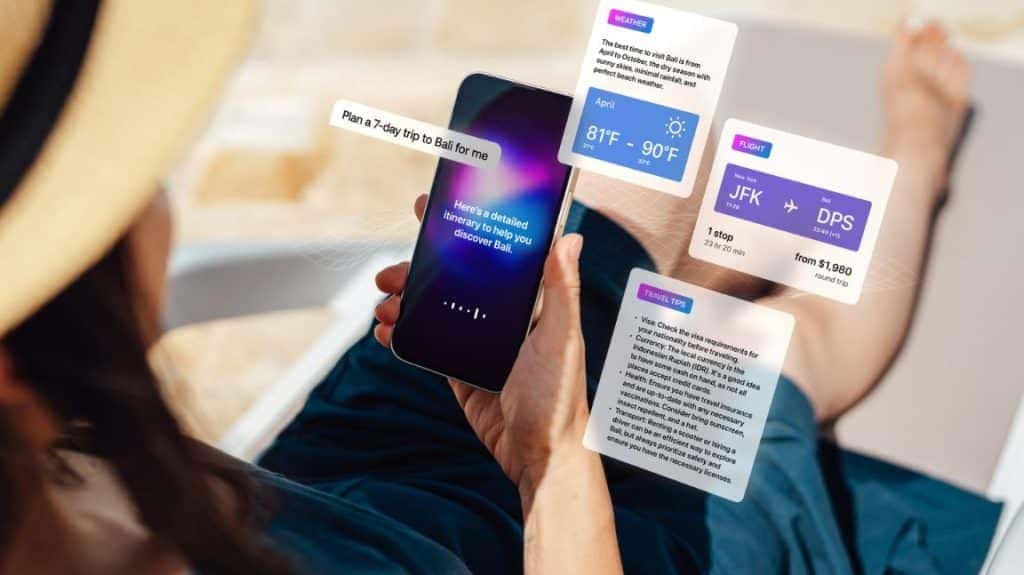
- AI concierge services: guests receive tailored suggestions for on-site amenities, restaurants and local activities based on their profile and behavior
- Smart room features: lighting, temperature, music and entertainment can be adjusted via voice or mobile, giving guests more control and comfort
- Real-time pricing: room rates update dynamically, factoring in demand, competitor pricing and booking trends to optimize revenue and guest value
Voice assistants are transforming the room experience
Voice technology has evolved rapidly from novelty to necessity in many types of accommodation. This is evident in a few key areas, such as:
- Voice assistant adoption: hotels are increasingly using voice assistants to simplify everyday guest interactions. From adjusting room settings to ordering amenities or requesting local recommendations, voice technology is becoming part of the standard in-room experience. The result is faster service and a smoother in-room experience
- Multilingual support: voice assistants in different languages can help international guests feel more at ease. They make it easier to ask questions, access services and get the information they need and remove language barriers. In fact, Marriott's AI implementation data shows that properties with multilingual voice assistants achieve guest satisfaction scores that are 27% higher among international travelers
Predictive preferences and anticipatory service
The most sophisticated application of artificial intelligence in hospitality is its ability to anticipate guest needs before they're expressed, including:
- Pre-arrival personalization: hotels are using pre-arrival personalization to prepare rooms based on guest preferences, making the experience feel tailored from the moment they check in
- In-stay adjustments: during the stay, AI systems adjust services in real time. They track guest behavior to offer more relevant options and reduce service gaps before they become issues
- Loyalty program enhancement: even loyalty programs are evolving. AI helps hotels offer smarter rewards, custom offers and better timing, keeping guests engaged long after their stay
This move toward tailored service represents a fundamental change in the guest experience—from standardized to individualized hospitality. For those pursuing a hospitality career, understanding these technologies alongside traditional service skills has become essential for professional success.
AI behind the scenes: operations and efficiency
Beyond guest engagement, artificial intelligence in the hospitality industry is improving hotel management by optimizing daily operations and reducing operational costs.
Smart housekeeping and maintenance
AI-powered inventory management and housekeeping scheduling improve efficiency through:
- Optimized housekeeping routes: smarter housekeeping systems now optimize cleaning routes based on real-time occupancy and room status. This helps teams work more efficiently, turning over rooms faster without extra labor
- Predictive maintenance: AI is being used to predict equipment issues before they become problems. This reduces unexpected breakdowns and helps extend the life of critical systems
- Inventory management: with the help of AI, teams can track supply levels more accurately, avoiding shortages while cutting back on unnecessary waste and cost
The result? Smoother operations, fewer disruptions and more time for staff to focus on guests and not logistics.
Revenue management and business intelligence
Revenue optimization represents one of the most financially impactful areas for artificial intelligence in the hospitality industry, with applications including:
- Dynamic pricing engines: AI-driven pricing systems analyze various factors such as market demand, competitor rates and local events to adjust room prices in real-time. This approach helps hotels optimize occupancy and maximize revenue by offering competitive rates that reflect current market conditions
- Cancellation prediction: by examining historical booking data and guest behaviors, AI can forecast the likelihood of reservation cancellations. This insight allows hotels to implement strategic overbooking policies, minimizing revenue loss and ensuring higher occupancy rates
- Business intelligence dashboards: AI-powered analytics platforms consolidate data from various departments, providing comprehensive dashboards that support informed decision-making. These tools help hotel managers identify trends, allocate resources efficiently and enhance overall operational performance
Operational streamlining
AI applications continue to expand across daily operations, in areas such as:
- Energy management systems: AI-driven systems are being used to monitor and optimize energy consumption in real-time. By analyzing data on occupancy patterns and usage, these systems adjust lighting, heating and cooling to reduce energy waste while maintaining guest comfort
- Staff scheduling optimization: AI applications are helping create more efficient staff schedules by analyzing historical data, booking trends and seasonal patterns. This ensures staffing levels align with demand, reducing labor costs and minimizing overtime while also improving employee satisfaction through more predictable scheduling
For students pursuing a hospitality degree or professionals developing their hospitality business expertise, understanding these operational applications has become as important as traditional management skills in today's technology-driven environment.
AI and the future of hospitality careers
The integration of artificial intelligence (AI) into the hospitality industry is transforming traditional roles and creating new career opportunities. Rather than replacing human workers, AI serves as a tool that improves service delivery and operational efficiency.
The evolving hospitality professional
As AI becomes more prevalent, hospitality professionals are expected to develop new competencies, such as:
- Data literacy: understanding and interpreting data is becoming crucial for making informed decisions and personalizing guest experiences
- User experience (UX) design: designing seamless and engaging digital interactions requires knowledge of UX principles, ensuring technology complements the human touch
- AI training and oversight: managing and refining AI systems requires proficiency in training algorithms and monitoring their performance to align with organizational goals
Emerging roles
The adoption of AI in hospitality has led to the creation of specialized positions, including:
- AI concierge trainers: professionals who develop and maintain the personalities and functionalities of virtual assistants to enhance guest interactions
- Tech integration managers: specialists responsible for overseeing the implementation of new technologies across hotel operations, ensuring seamless integration and staff adaptation
- Guest experience architects: experts who design cohesive journeys that balance automated solutions with personalized human service, improving overall guest satisfaction
- Digital ethics officers: roles dedicated to ensuring AI systems operate transparently, respect privacy and avoid biases, maintaining the integrity of guest interactions
These emerging roles offer promising opportunities for those with a bachelor's in hospitality management or a master's in hospitality who develop complementary technology skills. As hospitality career paths evolve, educational institutions are adapting by integrating AI literacy, data analysis and technology management into their curricula to prepare students for these new opportunities.
Ethical and cultural challenges of AI in hospitality
Implementing artificial intelligence in the hospitality industry brings operational opportunities but also presents significant ethical considerations and cultural challenges.
Algorithmic bias and privacy concerns
As AI becomes more integrated into hospitality operations, the industry faces significant challenges related to data practices, such as:
- Algorithmic bias and pricing discrimination: AI-driven dynamic pricing strategies can inadvertently lead to pricing discrimination. For instance, certain algorithms may adjust prices based on a customer's location or purchasing behavior, potentially resulting in unfair pricing structures. This has raised concerns among consumer protection advocates and prompted legislative attention. In March 2025, California lawmakers proposed measures to address AI-induced price discrimination, highlighting the need for transparency and fairness in automated pricing systems
- Evolving privacy boundaries: the expansion of data collection methods in hospitality has brought new concerns around guest privacy. Guests are increasingly aware of and concerned about how their personal information is used. While many travelers appreciate personalized services, there is a fine line between customization and intrusion. Ensuring transparency and obtaining explicit consent for data usage are critical to maintaining guest trust
- Data security imperatives: data breaches remain a significant concern in the hospitality sector. According to IBM's 2024 Cost of a Data Breach Report, the global average cost of a data breach reached $4.88 million, marking a 10% increase from the previous year. This underscores the necessity for robust cybersecurity measures to protect sensitive guest information and mitigate financial and reputational risks
Human touch vs. technological efficiency
Technology can make service faster, smoother and more consistent. But guests still expect warmth, empathy and real human connection, especially in moments that matter.
The best hospitality experiences today blend both. AI handles routine tasks behind the scenes, while staff focus on what technology can’t replicate: listening, anticipating emotions and creating memorable interactions.
Finding that balance isn’t just about tools, it’s about training, design and knowing when to step in and when to step back.
Regional variations in implementation
AI adoption in hospitality isn’t happening at the same pace everywhere. Some regions are moving quickly, investing in automation across operations, guest services and revenue management. Others are still testing the waters or facing barriers such as infrastructure, regulation or workforce readiness.
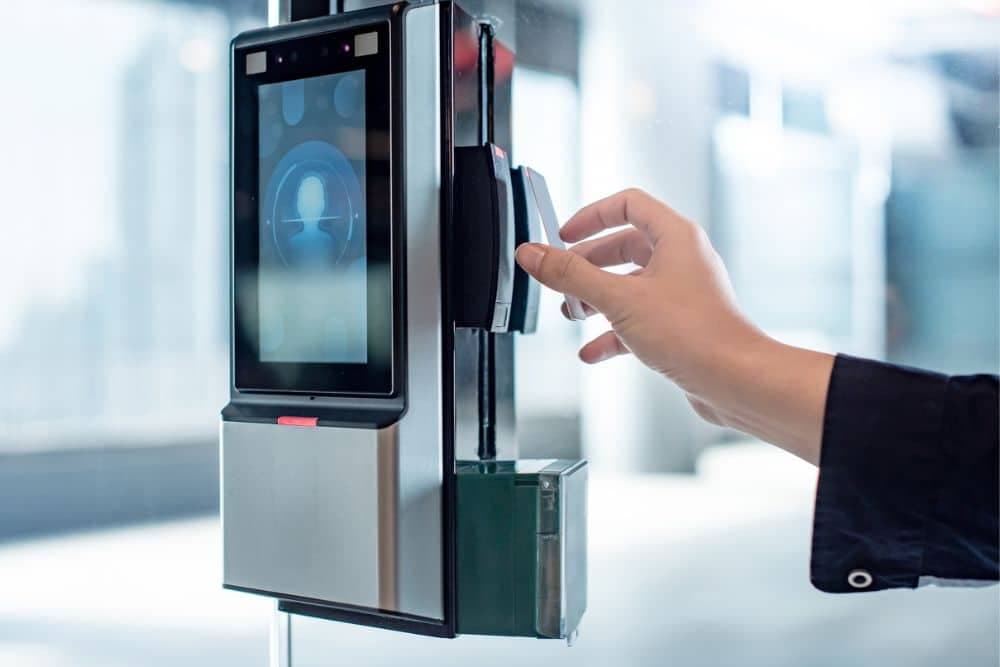
In markets such as North America, where the focus is on personalization and efficiency, AI is used to streamline check-ins, manage pricing and improve loyalty programs. In parts of Asia and the Middle East, high-end hotels are pushing innovation even further with robotics, smart room integrations and facial recognition check-ins.
Meanwhile, many properties in Europe are prioritizing data privacy and guest consent, taking a more cautious approach to implementation.
These regional differences reflect technology access, local expectations, culture and regulation. And for global brands or professionals working across markets, understanding those differences is essential.
Why hospitality needs AI – and people who understand it
As we look toward the future of hospitality and AI, technology implementation is no longer optional for competitive businesses. According to The Business Research Company, the market for AI in the hospitality and tourism industry is projected to grow from $15.69 billion in 2024 to $20.47 billion in 2025, reflecting a compound annual growth rate (CAGR) of 30.5%.
The demand for AI-powered tools for revenue management, customer service automation, predictive analytics, operational efficiency and personalization is driving this growth.
Destinations experiencing booming tourism need smarter systems to handle demand without compromising service. But while automation improves efficiency, it’s not enough on its own. As AI takes over repetitive tasks, the real value of work in hospitality will come from the human side – empathy, decision-making and guest relationships. This integrated approach explains why work in hospitality offers exciting prospects for those with technological fluency and interpersonal intelligence.If you want to be part of this transformation, now is the time to gain the skills that set hospitality leaders apart. A Bachelor’s in Hospitality Management prepares you for this future, equipping you with the expertise to manage AI-driven operations while delivering the kind of guest experience technology alone can’t replicate.
Photo Credits:
Main Image: Getty Oscar Wong