
It’s a well-worn phrase these days, but that doesn’t stop it being perfectly true: the world is evolving at dizzying speed.
If a university’s collective knowledge and strategic thinking don’t keep pace with such rapid evolution, then its academic programs will inevitably fall behind the curve. That simply cannot be allowed to happen with any institution, let alone one enjoying Glion’s reputation and prestige.
Our Managing Director, Philippe Vignon, has already affirmed that forging closer industry relationships is a key pillar of his strategic vision for the school. One of the initiatives helping to fulfil this ambition is the Hospitality & Luxury Insight Council (HLIC), which gathers luminaries from both sectors to share their accumulated wisdom, helping us prepare our students to be fully ‘industry ready’.
“This is our forum for strategic discussions and, while the Council’s role is advisory, we take their input and recommendations very seriously,” says Jacquie Lutz, Head of Career Services & Industry Relations, who oversees the running of the HLIC.
Leading lights
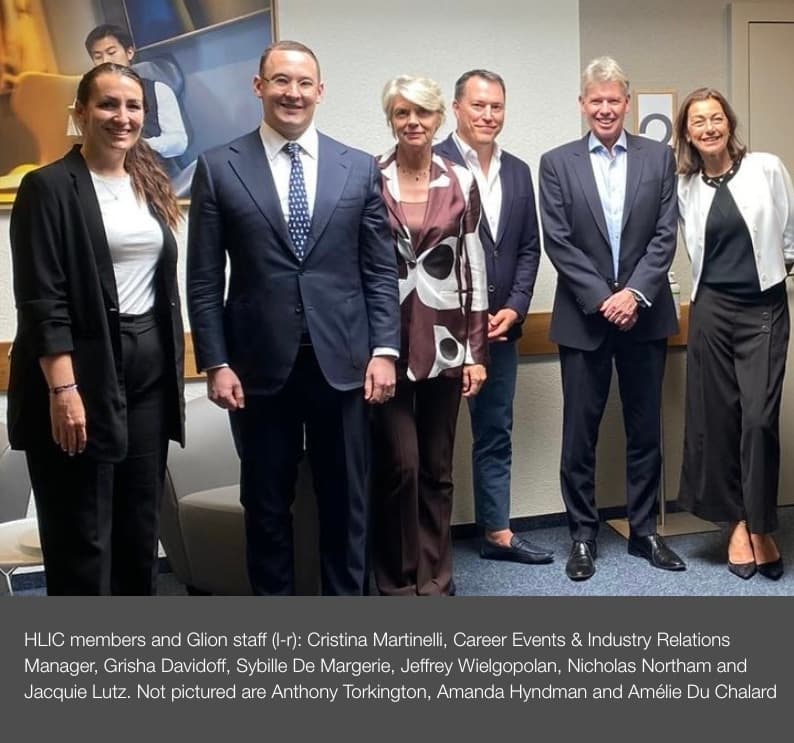
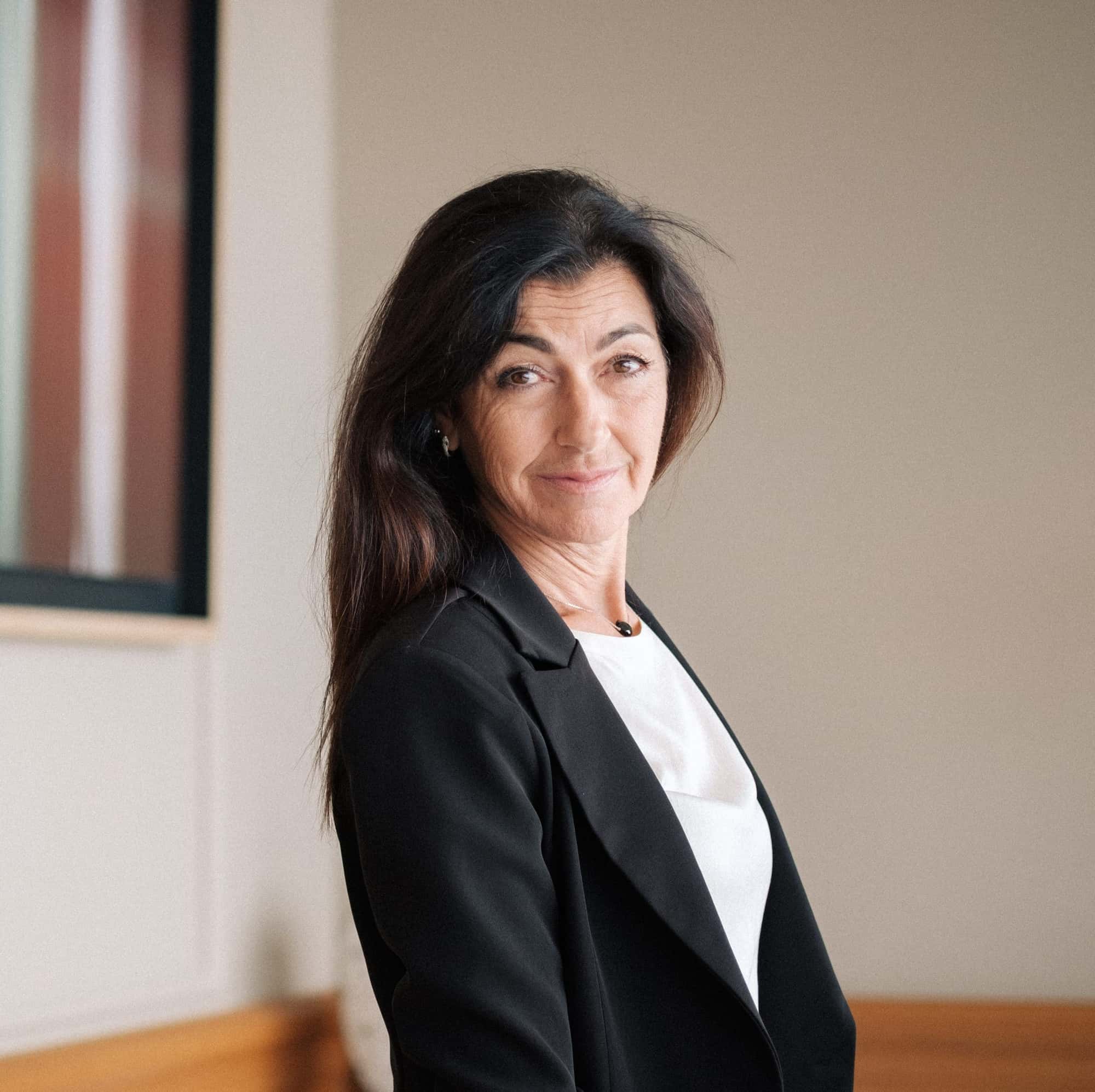
Take a look through the HLIC’s membership roster and it’ll quickly become clear why their views carry such weight. From senior leaders in hospitality, such as Mandarin Oriental COO Amanda Hyndman, to luxury industry luminaries like Sybille de Margerie, President and CEO at her eponymous Parisian interior design company, everyone selected for the HLIC brings exceptional levels of real-world experience.
Glion alumni are strongly represented, in the form of hotel entrepreneur Grisha Davidoff alongside Relais & Châteaux MD Anthony Torkington. We’re also fortunate to have the immense hospitality wisdom of Nicholas Northam to call upon. You can read more from Nicholas in this issue of The Insider.
Last, but by no means least, the HLIC also benefits from the presence of Jeffrey Wielgopolan, who is Service Director of Meadowood Estate in California’s Napa Valley, as well as Amélie Du Chalard, Founder of the Paris-based Amélie Maison d’art et Ambroise Collection.
Thoughtful words, concrete actions
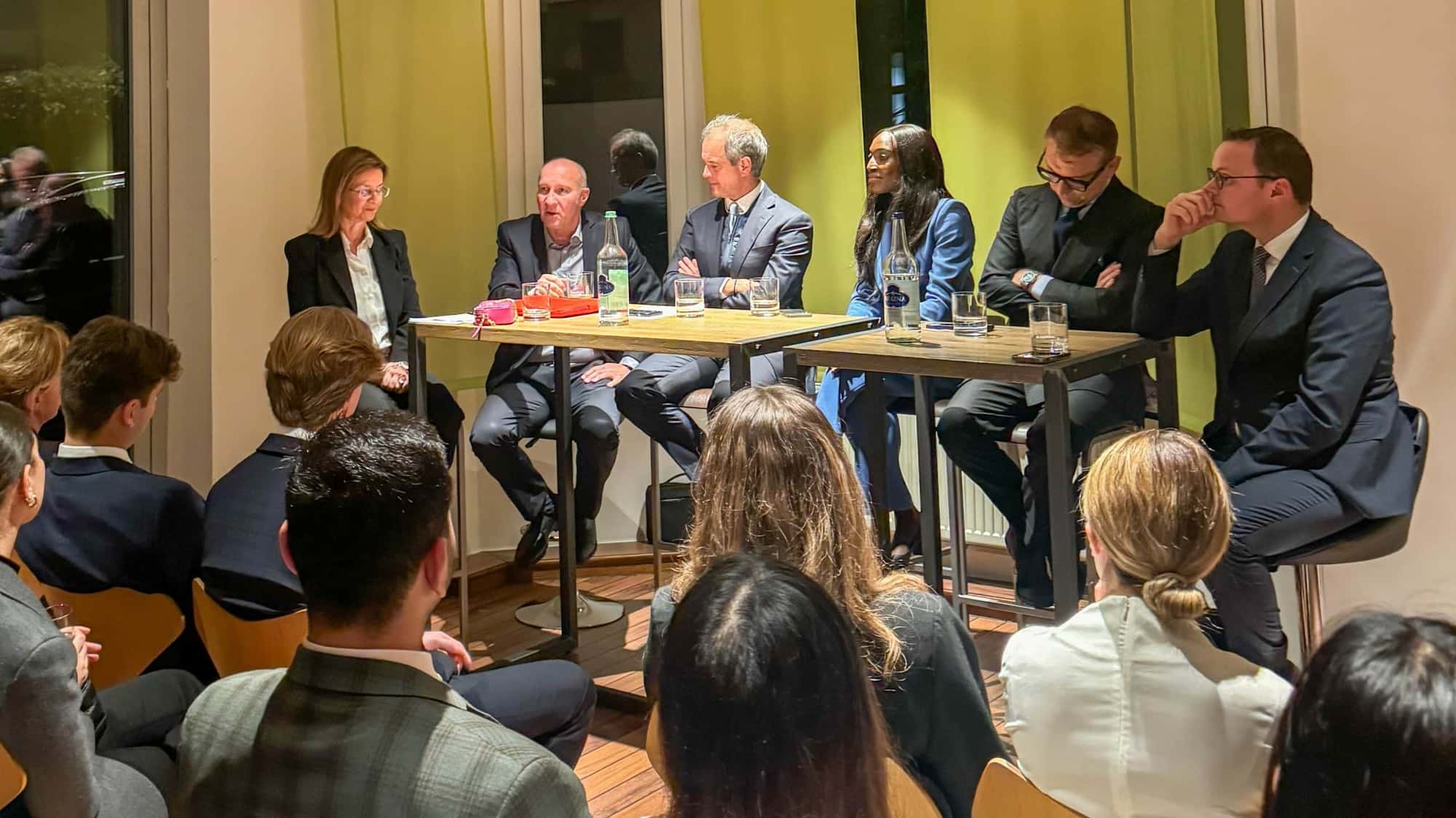
The HLIC holds two formal meetings per year and, after a kick-off meeting in June 2025, the Council met for a second time last December.
This time around, a significant portion of the roundtable focused on the ‘human aspect’ of the profession and the soft skills that Glion graduates will continue to require to succeed in their careers.
The conversations centered on the need to prepare students for a VUCA (Volatile, Uncertain, Chaotic, and Ambiguous) world; one in which personal qualities such as emotional intelligence and adaptability will be priceless assets.
Council members also stressed again the importance of instilling ‘old-fashioned’ hospitality values, including social confidence and humility, into today’s students.
“These conversations matter enormously to us, given the crucial importance our students place on employability,” Jacquie continues.
“As a university of applied sciences, we must equip graduates with the skills and attributes that employers need. Sharing insights and intelligence on the latest trends is a significant part of that effort.”
Mentoring for growth
One of the important outcomes that can be traced to the HLIC discussions is the launch later this year of a pilot Mentorship program, which will enable Glion students and graduates to pair with industry leaders from among our alumni community.
“This was one of the major action plans that emerged from the June meeting,” explains Jacquie Lutz. “The aim is to provide structured, personalized guidance that will serve to foster the mentees’ professional growth, enhance their understanding of real-world challenges, and enrich their career readiness.”
There have also been some significant curriculum enhancements following HLIC recommendations. These have included the integration of AI proficiency into courses and modules – an important step given the growing importance of the technology to many roles in hospitality and luxury. There have also been developments relating to ethical considerations in marketing and finance, as well as updated leadership modules focusing on emotional intelligence and humility.
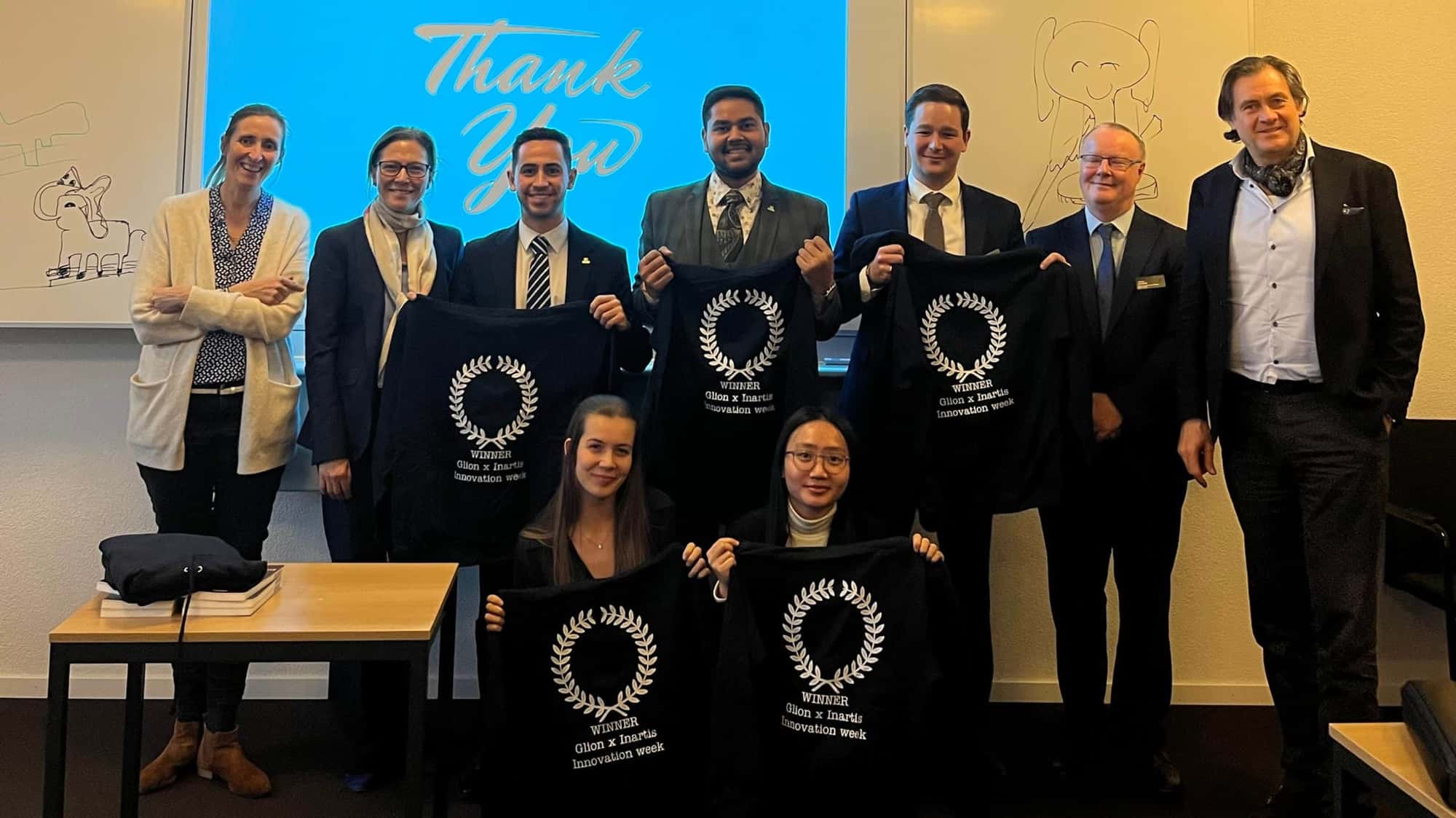
With regards to specific programs, the Master of Science in Hospitality, Entrepreneurship and Innovation has undergone refinements to its course portfolio to help it align more closely with industry needs, including the introduction of practical AI projects and hackathon-style innovation weeks.
Looking ahead, a new series of ‘Expert Sessions’ is planned for the coming academic semester. This initiative, organized in collaboration with Mike Macdonald, our recently appointed Dean of Digital Education and Academic Quality, will bring together visiting industry experts and Glion faculty to engage in deep dives into specific industry trends or topics of interest.
“Through this Council we’re creating a powerful bridge between Glion and the industries we serve; however, we are certainly not resting on our laurels. As a next step, we are going to widen this communication channel by inviting a current student and a faculty member to join the HLIC. This will enable direct academic alignment with the input of the Council, while also giving us the learner’s perspective and context on trends,” Jacquie concludes.
• Click here to discover more about our governance structure, including the HLIC
Photo credit
Main image: fotograzia/Getty