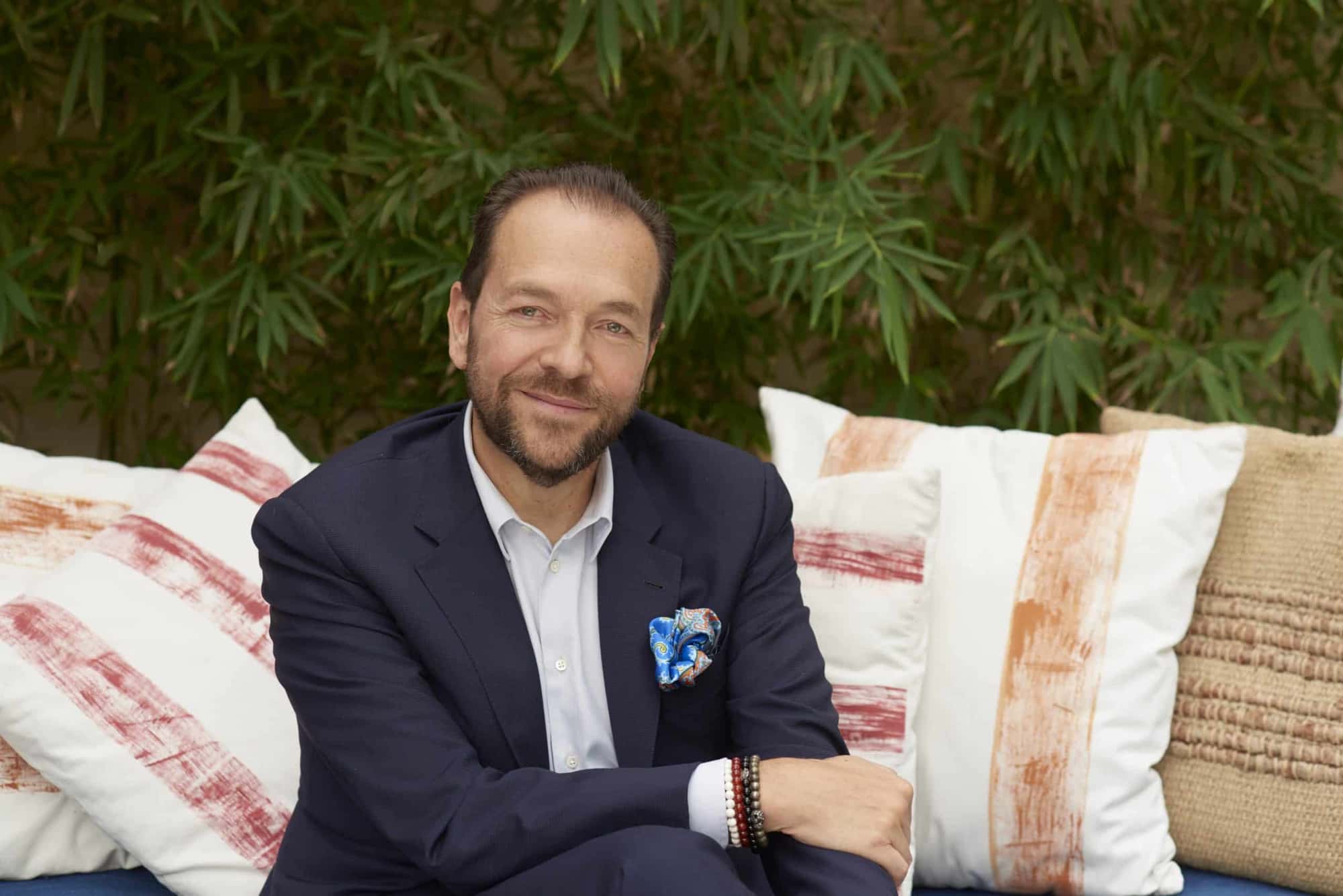
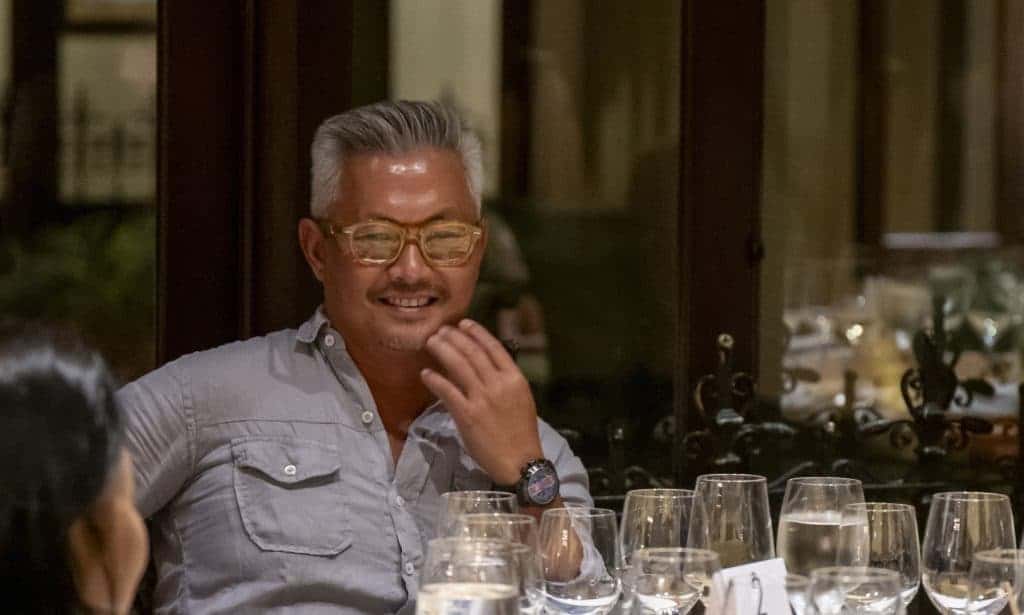
Young N. Nguyen’s journey reflects both the international spirit of hospitality and the upwards trajectory clients of his company d2o can expect for their bottom lines.
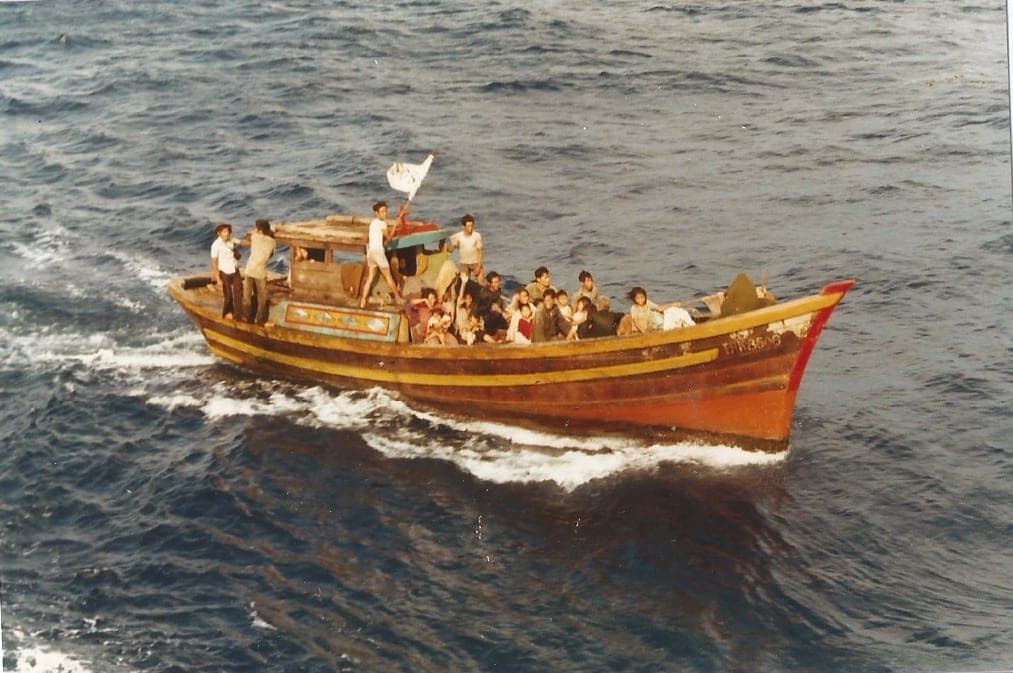
Born in Vietnam, Young arrived in Norway as a boat refugee with his parents who were fleeing from the war in the country in the mid 1970s.
Harboring a dream to open a hotel back in his home country, Young pursued a hospitality education at Glion, graduating in 1993.
After officer education in the Norwegian Royal Navy and a career with Radisson Hotel Group, where he helped General Managers boost their operating profit, he launched d2o.
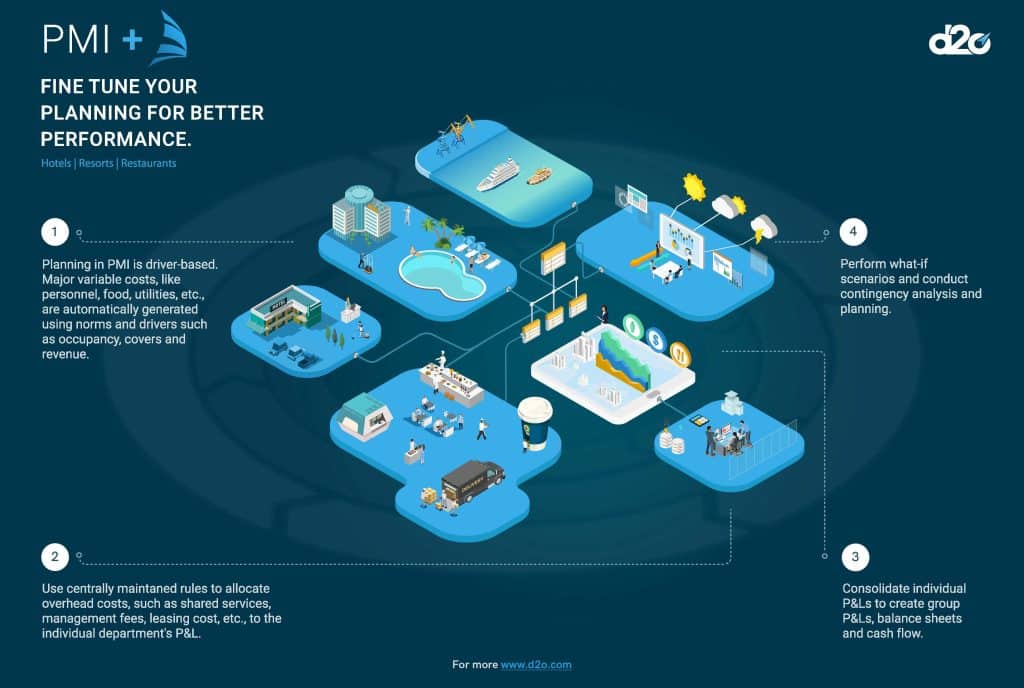
Through PMI (Performance Management Intelligence), d2o’s hospitality profit conversion platform, Young now works with hotel owners and operators around the world to help them plan better, operate smarter and convert more revenue into sustainable profit. And true to form, he is harnessing his hospitality education to ensure customers keep coming back.
When quality counts
“Customers are happy first of all because we deliver continuous improvement of their bottom line,” says Young. “But another thing that’s really important to them, and which is something I learned during my time at Glion, is the service quality. We are one of the few companies in the IT industry that has a support service capable of delivering an average resolution time of between two and three hours. That’s something our clients value highly.”
It’s clearly a compelling combination as d2o counts some of the most prestigious names in high-end hospitality among its clients. They include such household names as Young’s former employer Radisson as well as Marriott, IHG, Hilton and Hyatt among many others. It’s not just big hospitality groups either – independent hotels, resorts and restaurants also see the value in d2o’s offer.
“At its core, PMI helps hotels systematically convert revenue into profit and deliver more predictable EBITDA,” says Young. “But more fundamentally, we help redesign the flow of information in the organization so people can act in a coordinated, timely and accountable way.”
Connecting the dots
According to Young, the hospitality industry is good at managing the top line through revenue management, but variables such as labor, cost of goods sold, utilities and other operating costs are often still managed in silos.
“PMI connects those moving parts,” he says. “Using history, demand patterns, machine learning and operational logic, it turns complexity into actionable guidance for hotel teams. Organizations gain competitive advantage by solving complex problems with simplicity. True simplicity can only be achieved by those who truly understand complexity.
“It’s like a navigation system. The driver doesn’t need to analyze all the available traffic data, they just need to know when to turn and how fast to go. Essentially, PMI does that for hotel department heads.”
The solution enables improved logistics and information flow. And when that happens, service quality improves too, because teams can spend less energy reacting to things and can focus on the guest experience instead. That’s one of the reasons why d2o consistently delivers significant return on investment (ROI) for customers within their first year. And why, in reality, many clients realize more than 1000% ROI during their first year.
“While it appears to be an IT solution, what we’re actually delivering is meaningful change,” adds Young. “A lot of business intelligence tools bombard people with information and rely on the customer to analyze it and come to a conclusion. PMI doesn’t do that. It delivers the conclusion for people to implement without having to do the analysis up front.”
A question of definition
Although it is around 25 years since Young founded d2o, the solution is still considered innovative, which ironically is one of the biggest challenges he faces.
“My main issue has been helping the market understand the problem correctly,” he says. “Many hotel leaders think they already have the necessary tools because they have reporting, budgeting or labor systems. So a big part of our challenge has been educational: articulating the problem clearly enough that leaders recognize it immediately.”
To overcome this, Young’s team concentrates on highlighting outcomes, focusing on measurable results, offering support and helping clients implement change.
“In many ways, we applied a hospitality mindset to building a tech company,” he says. “That means responsiveness, accountability and service quality matter just as much to us as product capability. More broadly, I believe the answer for our clients is to understand the problem deeply, simplify the solution intelligently then design their organization so people can execute with confidence.”
From troubleshooter to tech founder
Another challenge, especially in the early years, was building and scaling independently after leaving a major hotel group.
Following graduation from Glion, Young spent time serving in the Norwegian Royal Navy before joining Radisson on its manager training program. He spent several years working at Radisson in different departments before landing a role as a troubleshooter, visiting different hotels and helping each General Manager improve their bottom line. That’s where the idea for d2o was hatched.
“As I worked with different hotels in the group, I saw the same pattern repeatedly: they had controls around spending, but they lacked a systematic daily way of converting revenue into profit,” says Young. “Managers were often waiting until month end to understand performance, which to me was like managing a football team without knowing the score until the match was over.”
Young’s solution was built in Excel and focused on the belief that every department head should be able to answer three questions every day: “What is my goal? How am I pacing versus that goal? What is my month-end deliverable?” That became the foundation of DORMI (Daily Operating Revenue Management Intelligence) and DOCMI (Daily Operating Cost Management Intelligence), the early tools that eventually evolved into PMI.
“Once people had that clarity, results improved quickly,” he adds. “Most people want to do a good job, but what’s often missing is clear communication, shared targets and timely operational guidance.”
While Young had no ambition of building a tech company at the time, he also wanted to avoid his solution being caught up in Radisson group’s bureaucracy, so he quit his role and founded d2o.
Ideal experience
Though it might not have seemed like it at the time, the launch of his own business appears in many ways to have been a natural step following Young’s education and post-graduation journey.
“I think Glion helped me in three important ways,” he says. “First, it taught me the operational discipline and standards behind hospitality excellence. It gave me a deep appreciation for the organization behind service – what happens behind the scenes and how communication and coordination really work. And finally, it taught me precision, which became part of my leadership style.
“I’d say my experience there was transformative. Crucially, it taught me how all the moving parts of hospitality fit together. That systems view has stayed with me throughout my career.”
That foundation was later reinforced during his military service, which helped Young understand the importance of empowerment in leadership. Add to this the valuable, multi-departmental hotel experience and troubleshooting role Young had with Radisson and his chosen entrepreneurial path looks like a logical progression.
Focused on the future
Having established a successful company that’s been helping boost hotels’ profitability for more than 25 years, Young is still as dedicated to improving the bottom line for his clients as ever.
“Our goal is to help hospitality organizations become much better at systematic daily profit conversion,” he says. “For decades, the industry has focused heavily on top-line metrics. Those matter, but they are only part of the story. The bigger opportunity lies in helping hotels consistently translate demand into well-coordinated operational decisions across the entire business.”
To help them take advantage of that opportunity, Young is embracing new technology and continuously refining d2o’s offer.
“I believe the future of hospitality management lies in codifying best practice at scale using data, AI, machine learning and better systems design to support improved operations,” he says. “The future is not just revenue optimization, it’s systematic profit conversion.
“Hospitality will always be about people and experiences, but the organizations that will thrive in the future will be those that master the discipline of turning great service into sustainable profit.”
• To discover more about d2o, visit the website
Photo credits
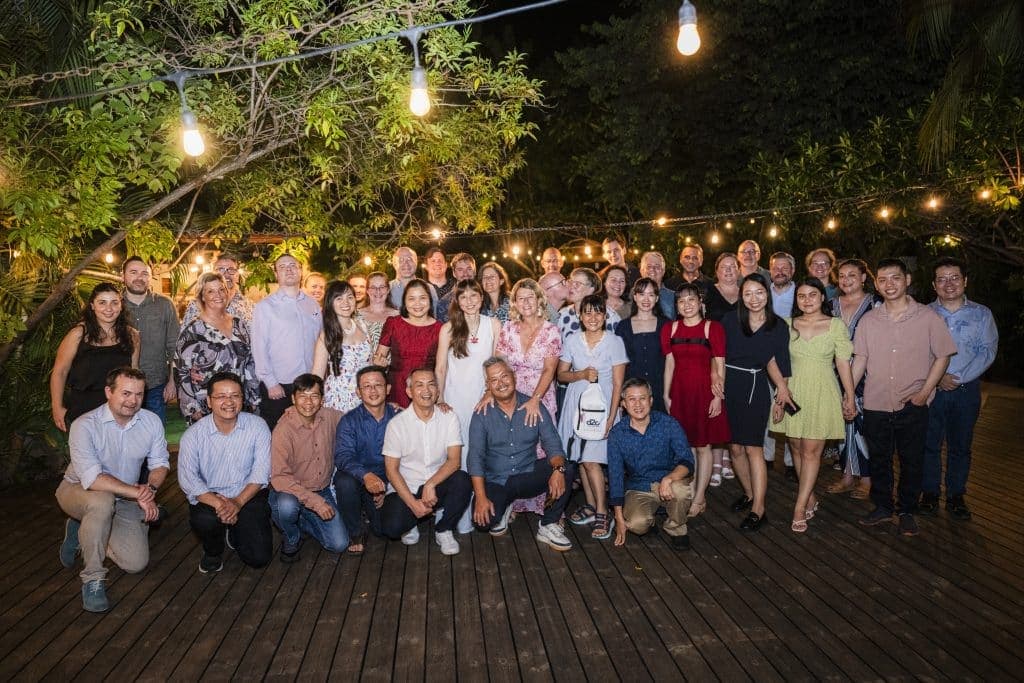
Main image and team lineup by Marcy Vanegas Photography and taken at the d2o 25th Anniversary in Costa Rica
The boat refugee photo was taken by a Norwegian gas tanker crewmember who helped rescue Young and his family.
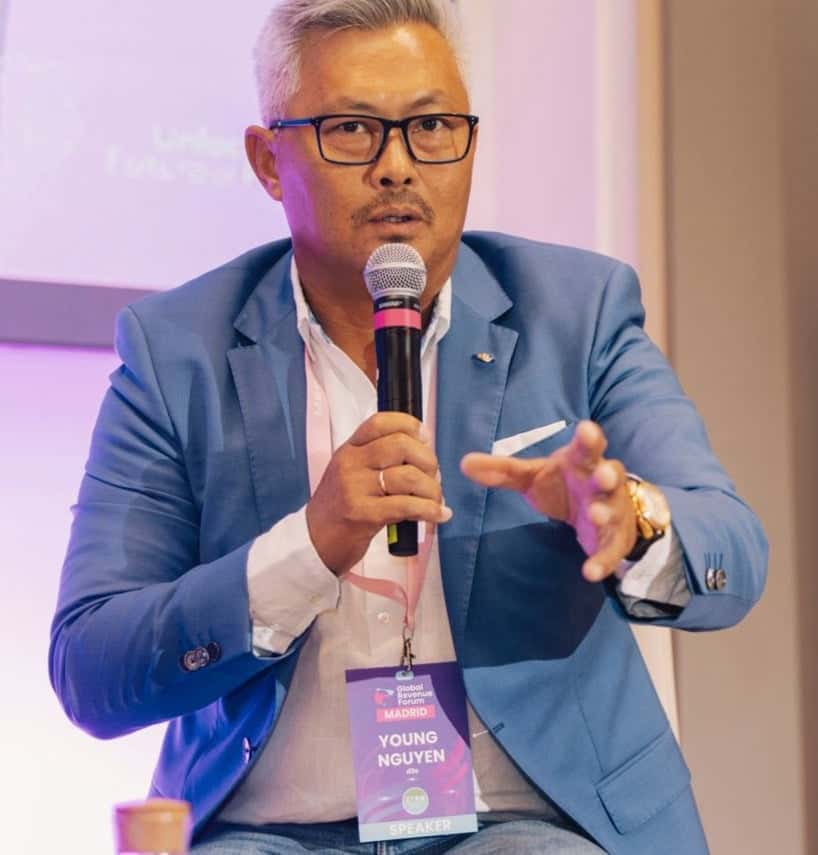
Photo of Young as panelist courtesy of Global Revenue Forum Madrid
Enhance your entrepreneurial expertise
Our Master’s in Hospitality, Entrepreneurship and Innovation takes you on a journey of innovation and entrepreneurship, from idea to business model and then to market.