
According to Bain & Company, the global luxury market was estimated to be worth €1.5 trillion in 2024, showing the opportunity for new entrants is immense.
However, this potential is reserved for those who understand the subtle art of luxury branding. Whether it’s the quiet prestige of Hermès, the innovation-meets-heritage of Bvlgari or the experiential focus of a boutique hospitality business, luxury brands today involve a mix of timeless values and modern relevance.
It is essential to know that building a luxury brand is about curating an experience for discerning customers—one that goes far beyond ownership and a high price tag, offering meaning, emotion and exclusivity.
What makes a luxury brand?
A combination of exceptional quality, exclusivity, heritage and an emotional connection with consumers—this is how a luxury brand differentiates itself from other brands.
These elements work together to create an exclusive brand identity, making products or services highly desirable to consumers and worthy of commanding a premium price.
To know what makes a luxury brand, there are several key characteristics to look out for, which we’ll discuss below.
Quality and craftsmanship
Luxury brands are synonymous with superior quality. They invest in the finest materials and employ highly skilled artisans to ensure that each product is unique and meticulously crafted.
Whether it’s the hand-finished leatherwork of Bottega Veneta or the precision of Swiss watchmaking, luxury goods are born from expertise, time and unwavering attention to detail.
The same standards apply to luxury services. For example, Aman is renowned for its commitment to excellence and designs each property with meticulous care.
From the minimalist elegance of Amangiri in Utah to the harmonious architecture of Amanyara in Turks and Caicos, every Aman resort is thoughtfully integrated into its natural surroundings, emphasizing tranquility, refined aesthetics and an exceptional guest experience.
Exclusivity and scarcity
A product or service ceases to be a luxury if it’s too accessible. Limited editions, waitlists and by-appointment-only access are essential components of luxury brand positioning.
By limiting availability, luxury brands increase perceived value and create a sense of rarity. Rolls-Royce, for example, caps production and allows customers to customize vehicles to the finest detail.
Such exclusivity appeals to consumers seeking status and something unique.
Heritage and legacy
Unlike mass-market brands, luxury brands often have rich histories and traditions that contribute to their prestige. Chanel, for instance, was born from Gabrielle Chanel’s revolutionary vision of femininity and elegance.
Bvlgari draws deeply from its Roman heritage, embedding cultural legacy into its designs.
In hospitality, The Ritz Paris stands as a beacon of heritage and legacy. Established in 1898 and located in Place Vendôme, it remains one of the world’s most iconic luxury hotels, symbolizing elegance, refinement and high society for more than a century.
Creating a luxury brand often requires a compelling backstory that resonates with consumers and adds authenticity and depth to its offerings.
Emotional connection and aspirational appeal
Storytelling is a crucial part of luxury branding. Through powerful narratives, brand stories align with consumers’ aspirations and forge strong emotional connections, offering an experience and a lifestyle. This strengthens loyalty and deepens the brand’s desirability.
Iconic design and timeless aesthetic
Luxury brands are built on the back of strong, recognizable identities. They often use distinctive motifs, signature colors or iconic design elements to set themselves apart and maintain an aura of sophistication.
Every detail is carefully considered to create a consistent, immersive aesthetic that evokes an emotional response.
Elevated customer experience
An exceptional customer experience is another hallmark of luxury brands. This should be intimate, curated and highly personalized.
In luxury experiences such as boutique appointments, every touchpoint is designed to make the customer feel valued and unique.
The characteristics mentioned above form the foundation of a successful luxury brand. Mastering them is essential to building a brand identity that resonates globally and maintains its allure over time.

Key steps to building a luxury brand
As an entrepreneur, your focus should be on building a timeless luxury brand—one rooted in purpose, quality and emotional connection, not passing trends.
Below, we will guide you through a step-by-step process for building a successful luxury brand.
Define your brand DNA
Identifying your brand positioning is the first step before proceeding to product or logo design. This step answers some essential questions, such as the values that guide your brand and the emotions you aim to evoke in your target audience.
For example, The Chedi reflects tranquil sophistication and discreet service, while Ferrari embodies power, precision and prestige. These emotional signatures are intentional and consistently reinforced — never accidental.
To define your brand DNA you need to ask yourself:
- What legacy do I want to build?
- What does my brand offer that no one else does?
Create a sense of exclusivity
Being part of a rare and privileged circle is the foundation of every luxury brand. It makes customers feel special and valued.
You can cultivate this through limited-edition products, exclusive experiences, invite-only launches and maintaining waitlists that generate anticipation and desire.
Collaborations with boutique hotels, private clubs or luxury travel brands can elevate this perception of exclusivity.
Perfect the product or service
In the luxury space, quality is non-negotiable. Elite customers judge luxury items based on their detail, durability and distinctiveness.
Whether you're offering a handbag, a timepiece or a hospitality experience, every aspect must be exceptional.
You should:
- Use rare, high-quality materials
- Emphasize craftsmanship, whether it’s hand-finished, artisanal or small-batch
- Train staff to anticipate client needs, from having a favorite tea waiting at breakfast to arranging spontaneous experiences based on overheard preferences
- Highlight your supply chain's integrity. Modern consumers care about the sourcing and sustainability of the products or services you offer
Develop an exceptional customer journey
Exclusivity must be matched by a seamless, highly personalized customer experience. Think concierge-style service, custom fittings, handwritten thank-you notes and curated post-sale follow-ups.
In the hospitality business, anticipate guests’ needs with subtle precision. Your three watchwords should be personalization, privacy and prestige.
Luxury should be experienced at every brand touchpoint, from packaging and in-store scents to website layout and post-purchase care. Each detail matters.
Positioning and pricing
When deciding on the price of products or services for a luxury brand, it's never wise to compete on cost.
A premium price tag signals quality, rarity and status. Set your prices to reflect your brand’s exclusivity and aspirational positioning.
Brands such as Bentley and Dior use price as a barrier to entry and a badge of distinction. Avoid discounts entirely as they can damage brand perception and erode value. Use pricing to reinforce your identity.
Remember: you're not selling a product; you're selling what that product represents to your customer.
Finally, it's important to note that building a luxury brand doesn’t happen overnight. It requires a series of intentional, strategic decisions guided by emotional intelligence and deep customer insight.
Define your brand DNA, create exclusivity, obsess over quality and treat your customers like royalty. Do this and you can build a luxury brand that earns enduring loyalty and recognition.
Marketing strategies that work in luxury
For most brands, marketing is about mass exposure. But in the luxury world, it's about something far more refined: curated presence, emotional storytelling and cultivating quiet desire.
The most successful luxury brands prioritize influence over visibility, crafting strategies that elevate mystique while reinforcing core values.
The following are proven marketing strategies to elevate your luxury brand:
Storytelling that elevates the brand
The key to successful high-end brands is what lies behind them. Tell stories through short films, editorials or behind-the-scenes content to highlight heritage, craftsmanship and values, capturing the very essence of your brand.
Influencer and celebrity collaborations
While mainstream brands partner with influencers for reach, luxury brands must go beyond that. Collaborate with tastemakers and individuals whose personal brand elevates yours.
Cartier’s partnership with cultural icons such as Rami Malek and Louis Vuitton’s blend of streetwear and celebrity through Pharrell Williams are excellent examples.
Choose collaborators who align authentically with your brand and ensure that every partnership feels organic, aspirational and exclusive.
Private events and immersive experiences
High-value customers of luxury brands want more than just a product or service: they want access. Being invited to a private event grants people entry into a rarefied world.
Events such as Cartier’s high-jewelry exhibitions, held in private villas or luxury hotels, showcase craftsmanship and create an environment where VIP clients connect with one another.
This kind of access facilitates meaningful relationships, opens doors to new opportunities and reinforces a sense of belonging to an elite circle. Guests feel recognized, valued and part of something greater, turning them into loyal clients and powerful brand advocates.
Elevate the in-store experience
While online shopping is growing, the experience of being in a physical outlet remains important. According to BusinessWire, 57% of U.S. luxury shoppers still prefer bricks and mortar stores and real-world experiences.
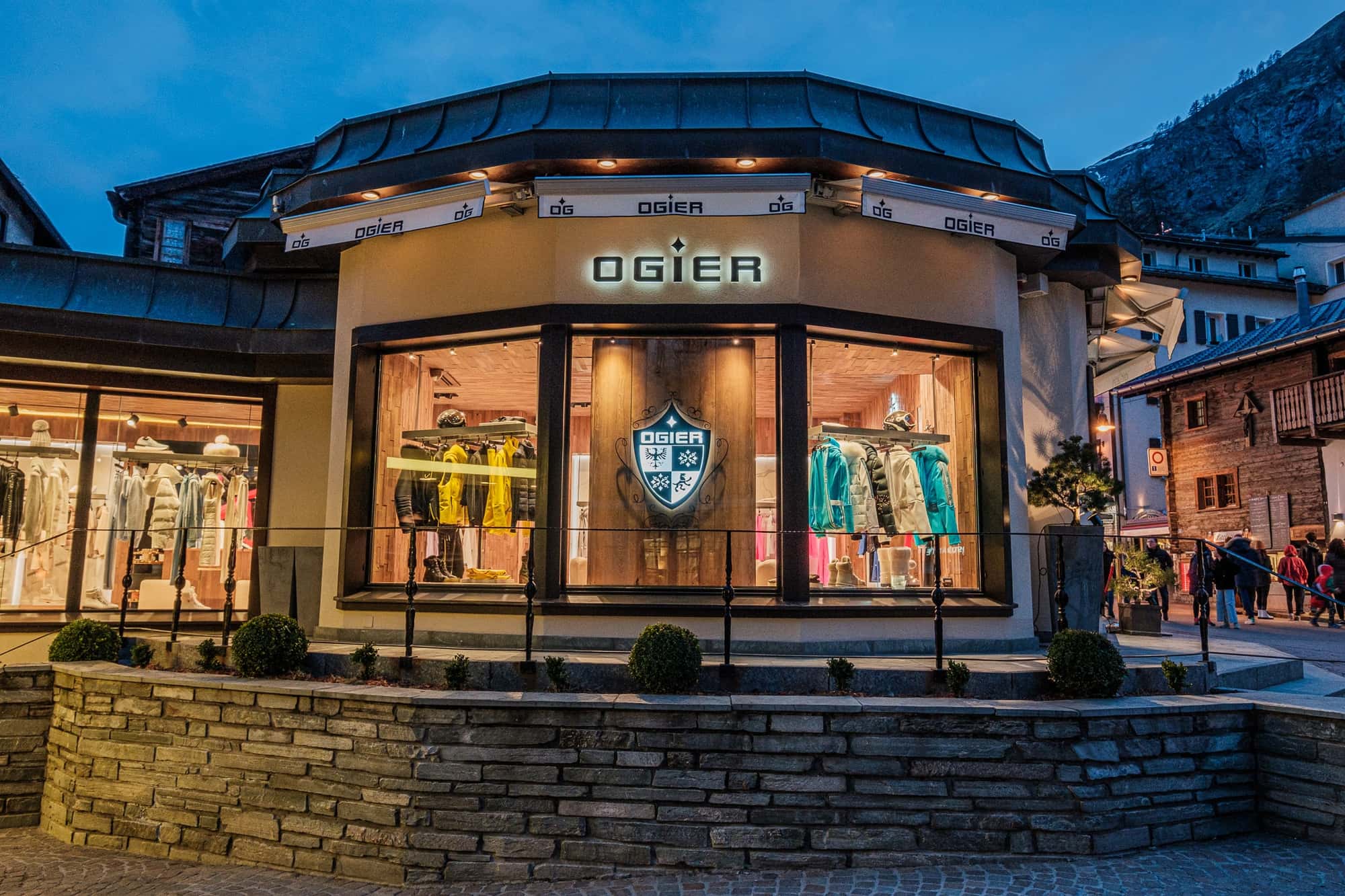
Your retail space should be immersive, serene and theatrical, fully embodying your brand’s world. Every detail matters: music, lighting, scent, staff greeting and store layout.
In luxury retail, the best stores borrow from high-end hospitality—creating environments that are welcoming, curated and emotionally resonant. That’s why hospitality is so important in business: it turns everyday transactions into memorable brand experiences.
Connect through values
Today’s luxury consumers are increasingly values-driven. They want to support brands that reflect their personal ethics and identity.
Whether it's sustainability, diversity or cultural preservation, your values must shine through, in the product or service and in its purpose. This also needs to be done with subtlety, consistency and intention.
The role of education in luxury brand building
Just as many Silicon Valley entrepreneurs emerge from a handful of elite institutions such as Stanford and MIT, luxury brand leaders often emerge from specialized schools such as Glion and Les Roches. And there's a simple reason for this: education matters.
Glion’s hospitality degrees provide the foundation for building and sustaining a successful luxury brand. Students learn to master guest experience, service culture, international marketing, luxury operations and brand storytelling, gaining a clear understanding of what it takes to succeed in the high-end market.
Another key advantage is industry access. Glion’s close partnerships with leading luxury brands offer students real-world experience through exclusive internships, guest lectures and global hospitality career opportunities. They learn directly from the people shaping the industry.
Glion’s Bachelor of Hospitality Management and advanced master’s programs develop the leadership, creativity and cultural intelligence essential for anyone aiming to build a successful luxury brand, whether in fashion, fine dining, boutique hospitality, luxury travel, watches or private aviation.
Conclusion: think long term, act with purpose
If you’re building a luxury brand, longevity should be your ultimate goal. Trends are fleeting and luxury brands don’t dwell too much on them. They stay true to their essence while evolving with intention.
It doesn’t matter if you are launching a fashion label, reimagining luxury travel or building a premium wellness brand.
The principles remain the same: clarity of vision, meticulous execution and an unwavering commitment to excellence.
Luxury goes beyond products to encompass the feeling they evoke in customers. It’s about the stories they tell and the world you introduce.
If you wish to create a luxury brand, start by investing in the knowledge, mindset and global perspective required to build something that lasts.