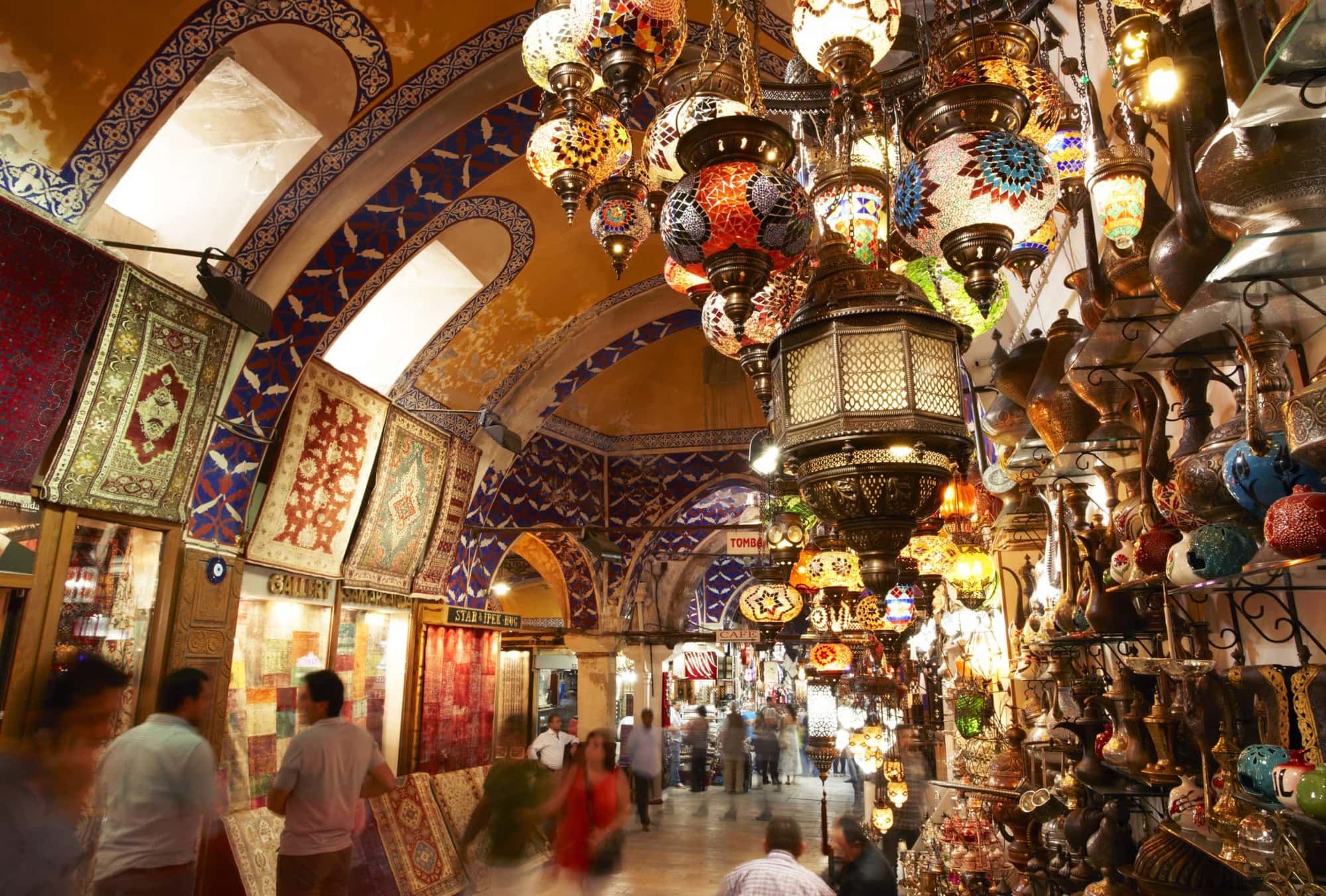

Anyone can make a premium product. Very few can make people want it before they’ve even touched it. That’s the difference between offering luxury and just selling things.
The most admired brands build loyalty, create waitlists and attract headlines through a carefully cultivated image and a world that draws people in. This comes from consistency, attention to detail and a deep understanding of the emotions their audience feels.
So what does it really take to build a luxury brand that sells itself? If you want to understand how to build a brand people want before they even see the price tag, this article breaks down the strategies that actually work and the mistakes to avoid if you want to stand out.
What makes luxury brand marketing different?
Instead of aiming for mass appeal, the most prestigious brands carefully target high-net-worth individuals, aspirational buyers and influential tastemakers. Luxury brand marketing stands apart by focusing on quality, exclusivity and deep emotional resonance.
True luxury is defined by an image that sparks desire long before anyone ever makes a purchase. In this world, perception is everything, often outweighing tangible features or specifications.
Understanding these fundamentals is essential for anyone working in luxury brand marketing. Each decision about branding, service and guest experience should connect back to these pillars, ensuring the brand stands out, inspires loyalty and builds lasting value.
Luxury brand marketing techniques
The most successful luxury brands achieve long-lasting appeal by using a set of carefully developed marketing techniques. These influence how the brand is perceived and ensure every interaction, whether online or in-person, supports its reputation for excellence and exclusivity. The following strategies are widely recognized for their impact on luxury brand marketing.
Visual identity
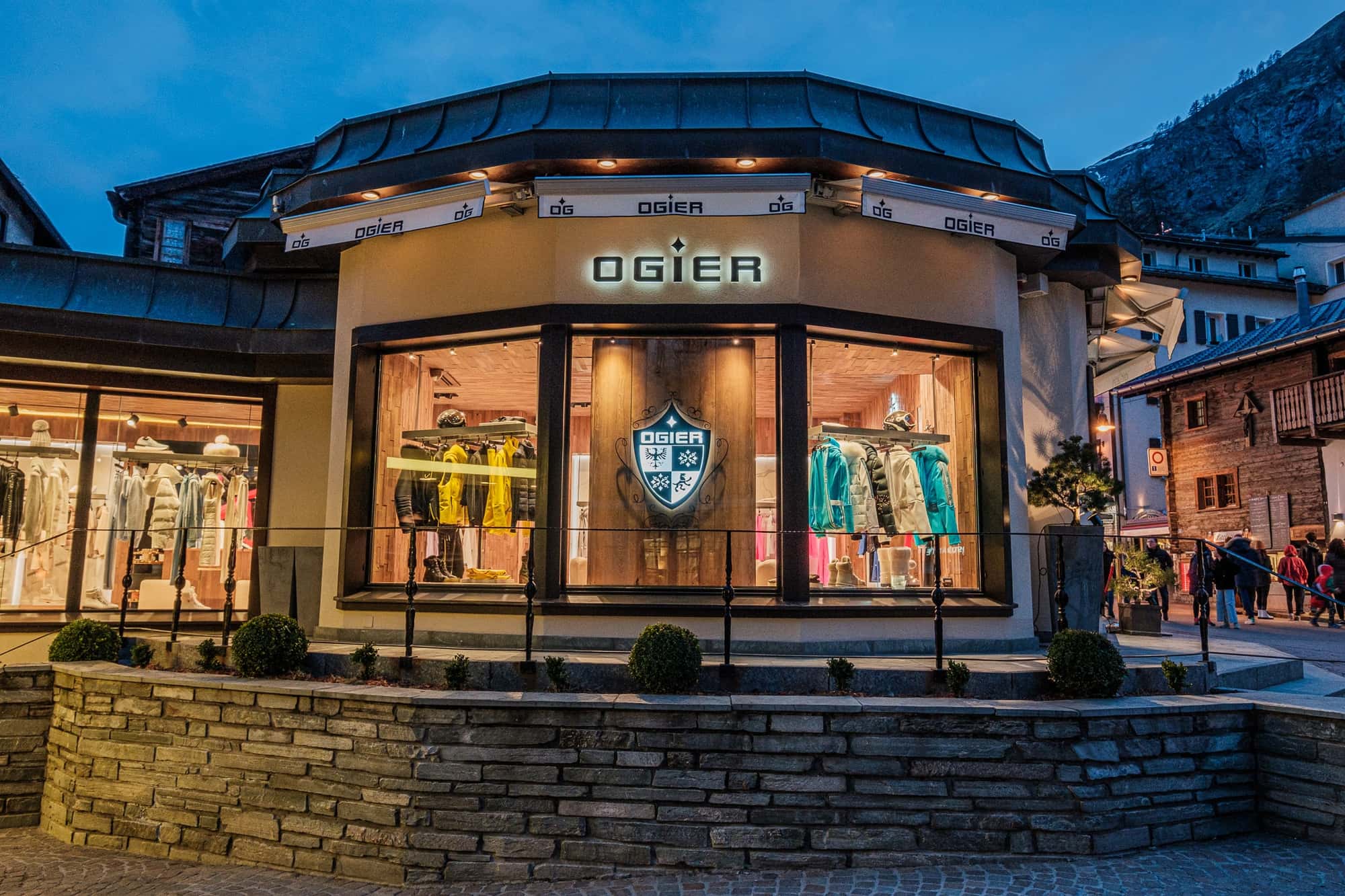
Every design choice, from packaging to store architecture, signals a promise of quality and sophistication. Luxury hotels, for example, rely on hotel management principles that prioritize signature scents, tailored uniforms and even distinctive lighting.
All of these elements work together to create an environment where guests or customers feel instantly transported into a world of luxury. Consistency across touchpoints, such as business cards, product labels and online visuals, helps reinforce recognition and trust.
Storytelling
Stories bring to life the origins of materials, showcase artisan craftsmanship or trace the evolution of a brand’s identity. By sharing the history, mission or inspiration behind a new collection, luxury brands create a strong emotional connection with their audience. This approach sparks engagement and encourages customers to share their experiences with others.
Scarcity and exclusivity
Limited-edition releases, exclusive collaborations or by-invitation-only events make customers feel part of an elite circle. For luxury hotels and retailers, private experiences, hidden menus or priority access can boost this effect. Exclusivity increases the perceived value of the product and the experience, leading customers to compete for access rather than search for discounts.
Emotional connection
The most successful luxury brands invest in understanding their clients’ emotions, aspirations and preferences. Every interaction, from a handwritten note to attentive service, is designed to make clients feel appreciated and understood.
This creates loyalty that often lasts for years. Glion’s Master of Science in Luxury Management and Guest Experience explores how brands can shape the customer journey to build these lasting emotional ties, which are at the core of effective luxury brand marketing.
By combining these techniques with a strong sense of purpose and consistency, brands can command loyalty, increase word-of-mouth referrals and maintain a position at the top of the luxury market. These strategies are essential learning for anyone looking to excel in the world of luxury marketing or hospitality business management.
The psychology of luxury: perception, value and pricing
Luxury brands operate in a space where buyer motivation is driven less by function and more by deep-rooted psychological needs. Understanding what prompts a consumer to choose a luxury product and pay a premium for it is the key to lasting brand success. Below, you’ll see how these motivations play out, with a sample for each key area.
Why consumers value luxury
People are drawn to luxury brands because of what ownership represents. Choosing a luxury item is often a way to signal achievement, join an exclusive group or mark personal milestones. The act of purchasing can serve as a reward for hard work or a way to express identity and taste. This motivational pull forms the foundation of luxury consumer behavior, supporting an aspirational brand image that makes certain brands desirable across generations.
The role of premium pricing strategy
Setting higher prices is an intentional move in luxury brand marketing and one that relies on more than simply attaching an elevated number to a product. Desirability is built on a foundation of compelling storytelling, proven quality and the assurance of brand heritage and prestige. Buyers choose to invest when they recognize real value, genuine exclusivity and a reputation that has stood the test of time.
Rolls-Royce vehicles, for example, are priced far above standard automobiles, but buyers accept and even expect this because the brand’s reputation, craftsmanship and legacy add perceived value. Limited editions and bespoke features underscore the notion that these products are intended for individuals who value rarity and are willing to invest in enduring quality.
Role of emotion in luxury decisions
Feelings drive every luxury purchase. While practical features play a role, it is the emotional response – admiration, excitement, pride or nostalgia – that often tips the scale. Successful brands understand this dynamic and build experiences that resonate on a personal level. This is the heart of emotional branding in luxury, where a sense of belonging, tradition or anticipation adds real value for the buyer.
A Patek Philippe watch, for instance, is frequently chosen as a family heirloom because it embodies fine engineering, tradition and a sense of generational pride. The experience of passing down such an item is filled with meaning and nostalgia, turning a simple object into a powerful family story.
Aspirational brand image and luxury brand storytelling
Marketers can turn brands into symbols of aspiration by drawing attention to the story behind them. Carefully crafted narratives that highlight brand heritage, celebrity endorsements in luxury or a sense of adventure transform products into status symbols.
The most effective stories create aspiration, inviting buyers into an elite circle. Visual identity in luxury branding, from signature logos to unique packaging, supports this story at every touchpoint.
The legacy of Chanel, for instance, extends far beyond fashion. Coco Chanel’s journey from modest beginnings to style icon inspires buyers to see themselves as part of a narrative about reinvention, freedom and taste.
Status, influence and experience
Wearing or using a luxury item is a public declaration of taste, access and accomplishment. Today, this extends to digital platforms, where social media luxury branding strategies now play a significant role in shaping perceptions of luxury brands.
Influencer campaigns, experiential marketing strategies and behind-the-scenes digital content amplify a brand’s reach while maintaining exclusivity.
The launch of Dior’s limited-edition handbags, frequently spotted with celebrities or influencers, turns each item into an instant marker of cultural relevance and exclusivity. Sharing these experiences on social platforms heightens the sense of belonging and cements the brand’s place at the top of aspirational wish lists.
Learning luxury brand psychology and strategy
For those interested in mastering these concepts, the Glion’s Master of Science in Luxury Management and Guest Experience at Glion explores premium pricing strategy, emotional branding in luxury and high-end brand strategy in detail. The program is designed for future leaders who aim to excel in exclusive brand positioning and luxury guest experiences.
Luxury brands thrive when they understand the rational and emotional motivations of their audience. By aligning their approach with luxury brand psychology, companies can build enduring prestige, create aspirational connections and drive sustained business success.
The digital dilemma: visibility without dilution
The rise of digital marketing has presented a unique challenge for luxury brands. The digital space is fast, noisy and often lacks the polish associated with luxury experiences. However, it’s also where affluent consumers are spending their time and where most luxury journeys now begin.
For luxury brands, the challenge is to maintain exclusivity and brand integrity while meeting clients in these online spaces. The following strategies demonstrate how leading brands achieve success, all while maintaining the aura that sets them apart.
Exclusive brand positioning in a digital world
Online exclusivity is built through discipline and control. Instead of opening the digital doors to everyone, luxury brands design invitation-only access, private sales and members-only experiences. This approach mirrors the atmosphere of a flagship boutique, ensuring the digital presence feels selective and never ordinary.
Digital marketing for luxury brands
Every detail matters when translating luxury into a digital experience. Websites are elegantly designed and easy to navigate, reflecting the brand’s identity through tailored visuals and a premium user experience.
Luxury brands use targeted SEO and curated email campaigns to reach high-value customers, focusing on high-intent keywords rather than casting a wide net. This careful digital marketing for luxury brands reinforces exclusivity and sophistication at every digital touchpoint.
Social media luxury branding
Luxury brands avoid flooding every channel with content. Instead, social media luxury branding centers on curation and storytelling: exclusive previews, behind-the-scenes access and thoughtfully chosen influencer collaborations. Brands often host private livestreams or closed groups for their most loyal clients, making social engagement feel like a privilege.
Digital touchpoints in the luxury journey
Research by McKinsey confirms that nearly 80% of luxury purchases are digitally influenced, with digital touchpoints playing a role in the buying decision even if the transaction is completed in-store. This statistic highlights the importance of maintaining a digital presence that upholds brand prestige while guiding clients from discovery to purchase.
Preparing for digital luxury leadership
To carve out a successful luxury marketing career in the digital age, you will need to master these key areas. Glion’s hospitality business programs teach students how to integrate exclusive brand positioning, refined digital strategy and rich online connections into a cohesive luxury experience.
Experiential marketing: selling through senses
Luxury brands use experiential strategies to engage clients through all five senses. For example, Saks Fifth Avenue hosts private runway shows where guests enjoy exclusive fashion previews, music and a carefully designed atmosphere that reflects the brand’s elegance.
Gucci creates invitation-only dinners with custom menus, unique scents and curated décor, with each detail reinforcing their strong visual identity in luxury branding.
When a guest attends a private fashion show or a tasting event, they remember how it felt. These experiences make the brand stand out, building loyalty and lasting impressions that go far beyond traditional advertising.
Future trends and challenges in luxury brand marketing
The rules of luxury are always evolving. As digital innovations reshape the market and consumers demand more from every experience, the world’s leading brands are rethinking what it means to be truly exclusive, relevant and memorable. The following trends are defining where luxury brand marketing is headed next:
- Immersive experiences and phygital spaces: combining digital and in-person journeys, luxury brands use tools such as AR, VR and interactive displays to create memorable shopping environments and virtual try-ons
- AI-powered personalization: artificial intelligence is now key for tailoring product recommendations, communications and experiences to each luxury client’s preferences
- Digital storytelling: brands invest in short films, influencer campaigns and online narratives to strengthen their heritage and emotional appeal
- Sustainability and conscious luxury: demand for ethical sourcing, transparency and eco-friendly initiatives is rising. Brands such as Chloé (B Corp certified) and LVMH (LIFE 360 plan) are setting industry standards with circular fashion, sustainable packaging and responsible supply chains
- Tech-driven customer engagement: RFID tags, interactive mirrors and app-based concierge services provide seamless, high-touch support in luxury retail spaces
These trends are redefining what it means to deliver luxury, ensuring brands remain aspirational and in tune with modern expectations.
Luxury branding as a hospitality career advantage
Looking ahead, luxury brand marketing will reward those who mix classic principles with bold new ideas. Leaders who master luxury branding, digital innovation and outstanding guest experience will define what’s next, setting new standards for hotels, resorts and lifestyle brands in an ever-changing world.
New industry trends, including immersive events, digital personalization and responsible sourcing, are creating demand for graduates with fresh skills and creativity. Employers are looking for team members who combine classic attention to detail with strategic thinking and brand storytelling.
A hospitality degree prepares you to lead in this exciting space. The ability to design unique experiences and build meaningful brand connections can give you a real advantage wherever your hospitality career takes you.
Stay inspired by exploring how “transformational” marketing, particularly in the luxury segment, is one of the latest hospitality industry trends. With a passion for excellence and an eye for innovation, you’ll be ready to set new standards in luxury.
Main Image - gettyimages Credit: Javier Zayas Photography