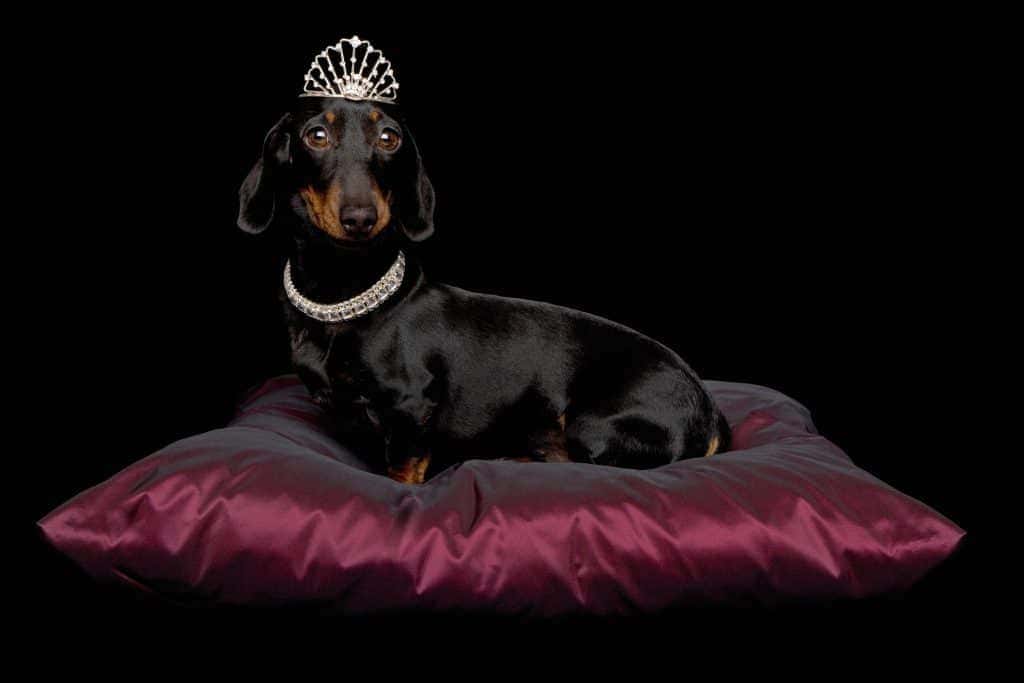
For more than a century, luxury has been a mirror reflecting society’s aspirations, anxieties and self‑image.
In the late 19th century, during America’s so‑called Gilded Age, the surface shimmered with gold; yet beneath it lay inequality, corruption and a relentless hunger for status. The name itself was a warning: gilded, not golden. A thin veneer masking something far less flattering.
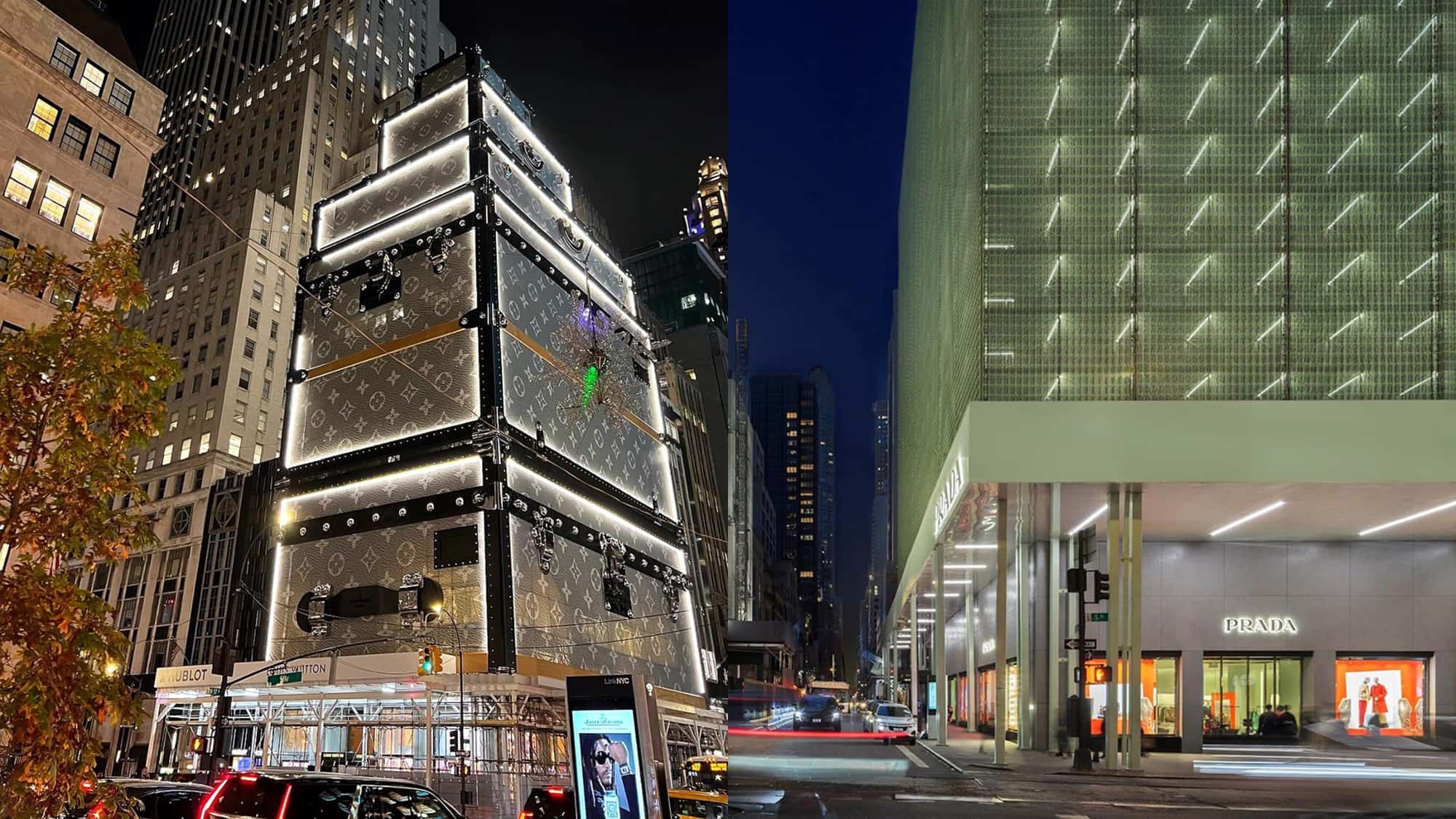
In many ways, the past two decades of luxury consumption have echoed that same gilded impulse. Flashy logos, monogrammed everything, and the unmistakable grammar of ‘conspicuous consumption’ – a phrase coined by economist Thorstein Veblen in reference to the public display of wealth as a form of social signaling.
Luxury fashion maisons built empires on this logic, plastering their initials across handbags, sneakers and even water bottles. The message was clear: “If you’ve got it, flaunt it”.
But something has shifted. Many of today’s luxury consumers – whether newly affluent or simply more mature in taste – have begun to reject the bling. They are turning away from the ostentatious and towards something quieter, deeper, and infinitely more meaningful.
The codes of luxury, once again, are being rewritten.
From conspicuous to considered: the rise of discreet luxury
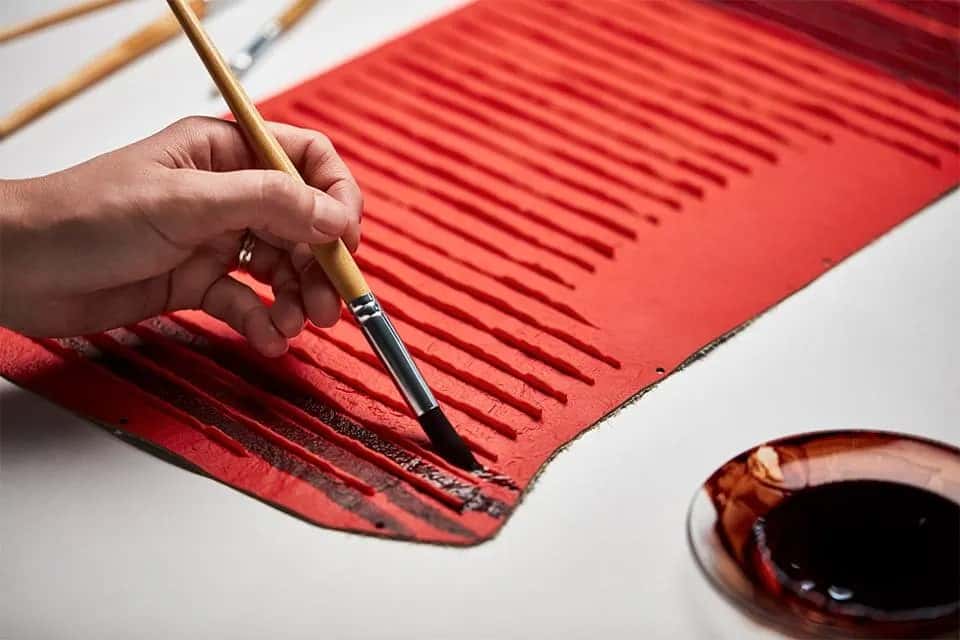
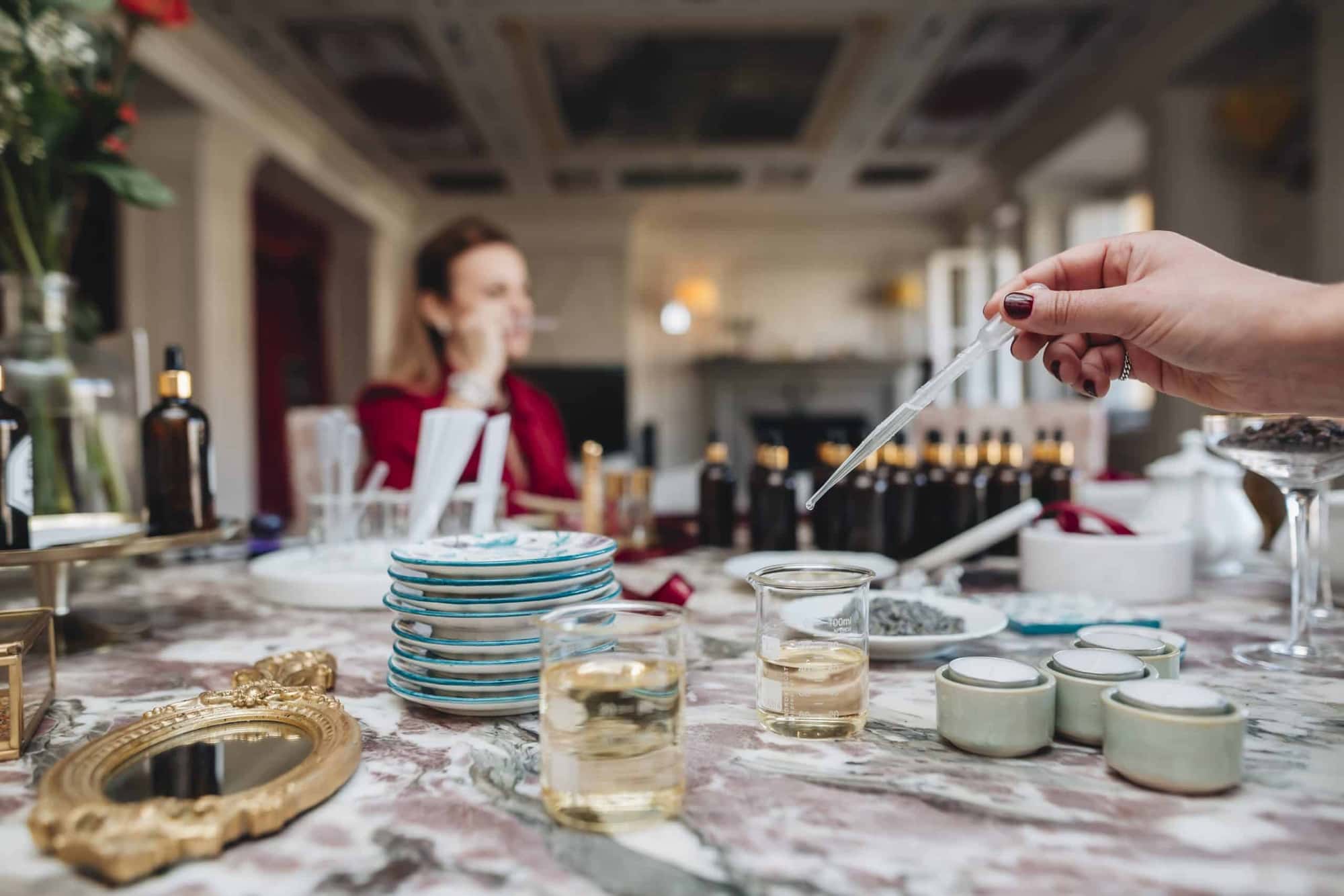
In these less-than-Roaring ’20s, luxury consumers are no longer satisfied with loud branding or the paradox of mass‑market ‘exclusivity’. They want craftsmanship, sensual materials and objects that whisper rather than shout. They also demand personalization, customization and, above all, authentic exclusivity – not the kind that can be bought off a shelf, but the kind that feels earned, intimate and rare.
This shift is not merely aesthetic; it is philosophical.
The new luxury mindset aligns with Coco Chanel’s enduring observation:
“Luxury is the opposite of vulgarity.”

Where once logos served as social armor, now they feel gauche. Where once the goal was visibility, now it is discernment. The typical consumer wants to be perceived as ‘old money’, even if they are decidedly ‘new’. They want to signal taste, not wealth; knowledge, not noise (much more on luxury and status signaling here).
This is luxury as a cultural code, not merely a commodity.
The experience economy – and beyond
Joseph Pine and James Gilmore’s seminal concept of the Experience Economy has never felt more relevant. The new luxury consumer is buying memories, transformations and identity.
This drives them towards investing in:
- Exclusive hotel and resort stays
- Gastronomic journeys led by chefs who treat cuisine as art
- Wellness and spa retreats that promise renewal rather than indulgence
- Private jet and yacht experiences that offer privacy, control, and freedom
- Travel that evokes a bygone era of elegance, ritual, and impeccable service
For the most evolved consumer, Pine and Gilmore’s next frontier – the so-called Transformative Economy – is the true destination. Here, luxury is not about what you own or even what you experience, but who you become. It aligns seamlessly with Maslow’s highest tier: self‑actualization.
In this way, luxury becomes intertwined with our life’s journey.
Gen Z: the values-driven luxury vanguard
While older consumers may be maturing into this new sensibility, Generation Z is picking up and running with it. Now an important luxury customer segment in its own right, this new generation – digitally native, globally connected, and socially conscious – demands that luxury brands stand for something beyond beauty.
They seek:
- Sustainability as a non-negotiable factor
- Transparency in sourcing, labor, and environmental impact
- Responsible business practices that reflect their worldview
- Authenticity over artifice
- Brands that align with their identity, not the other way around
For Gen Z, luxury is not a badge of superiority; it must reflect their values. They are willing to spend, but only when the brand’s ethics match their own. This is a profound shift and one that will reshape the industry for decades.
India: the next great luxury frontier
Much has been written about the slowdown in Chinese luxury spending, but the industry’s gaze has already shifted to India, a market whose relationship with luxury stretches back millennia. Maharajas, artisans and centuries of craftsmanship have created a cultural foundation to which luxury is intrinsic.
India’s rapidly expanding class of high‑net‑worth individuals is attracting the attention of luxury fashion, automotive and jewelry brands. Yet this market presents a challenge: flashy branding and bling do not resonate with a culture that has long valued refinement, heritage and artistry.
To succeed in India, brands must understand that the cultural codes of luxury must be interpreted, not imported.
Perth: a quiet capital of ‘new luxury’
Geographically distant from the traditional luxury capitals, Perth in Western Australia has emerged as an unexpected powerhouse. With one of the world’s highest concentrations of centi-millionaires and self-made millionaires, Perth’s wealth is understated but no less substantial.
While global luxury fashion brands have established a presence there – and can certainly sustain it – the real appetite lies elsewhere, in the form of:
- Fine wines and fine dining
- Architecturally stunning homes with bespoke interiors
- Luxury travel that prioritizes privacy and authenticity
- Unique, curated experiences over mass‑market glamor
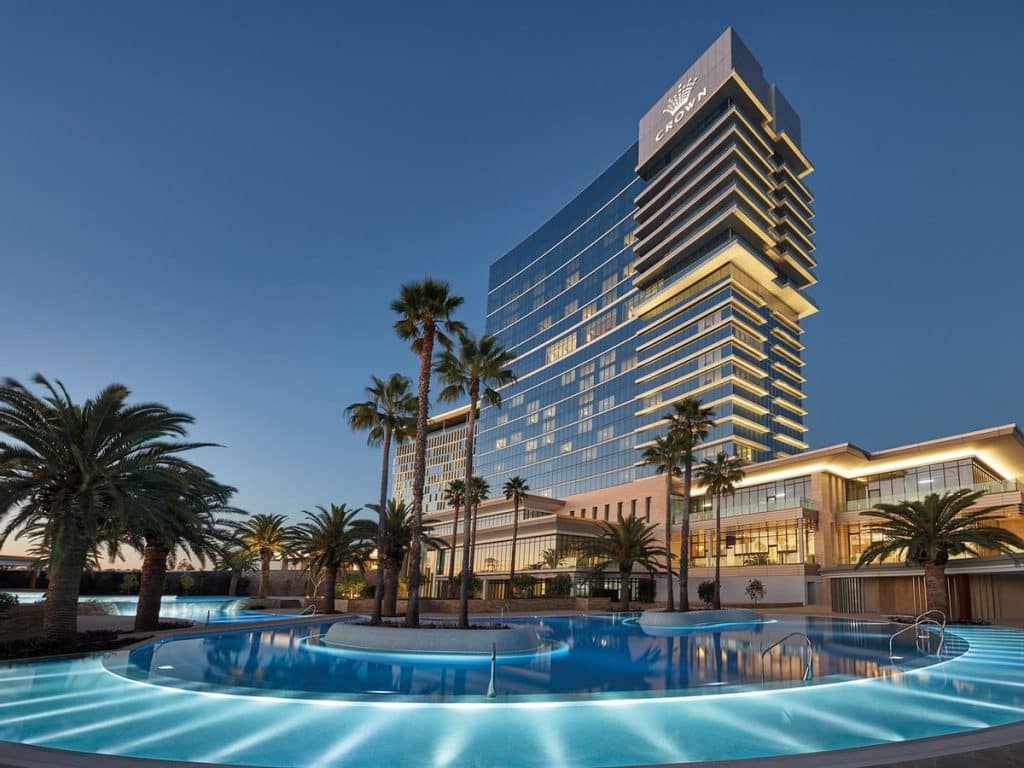
A striking example of this new luxury ethos is Crown Towers Perth (pictured left), the only hotel in Australia to hold a Forbes Travel Guide Five‑Star rating.
It does not rely on fake gold, theatrical staging, or the clichés of ‘traditional luxury’. Instead, it offers something far more compelling: simplicity, elegance, and an unwavering commitment to service excellence.
This is luxury without pretense, perfectly aligned with the new consumer.
The invisible velvet rope: exclusivity reimagined
Even in New York, where luxury hotels once competed to emulate Europe’s grand dames, the trailblazers today are those that offer intimacy rather than spectacle. Their lobbies feel like private members’ clubs, not bustling public spaces. Their receptions are discreet, their service anticipatory.
Walk in unannounced and you may be gently asked:
“Do you have a reservation?”
or
“Are you a member?”
This is not exclusion for exclusion’s sake. It is the creation of boundaries; the invisible velvet rope that signals privacy, privilege and belonging. It is luxury as a curated community, away from the crowds.
Bin the bling: the future is quiet, personal and profound
To conclude, I very much feel that luxury is entering a new era, one that rejects the superficiality of the Gilded Age and the excesses of logo-driven consumption. While some may cling to the fool’s gold and cut glass of decades past (perhaps the last Baby Boomers still sporting their fake tans?), the market has moved on as new generations have taken prominence.

The new luxury consumer is:
- Discerning
- Values-driven
- Experience-oriented
- Transformation seeking
- Quietly confident
They understand that true luxury is not about being seen, it is about being understood.
This is why I feel strongly that in our world today bling is not just outdated; it is irrelevant. The future belongs to brands, destinations, and experiences that offer depth, craftsmanship, meaning and exclusivity that cannot be mass-produced.
Luxury, once again, is becoming what it was always meant to be:
A celebration of the exceptional, not the excessive.
About the author
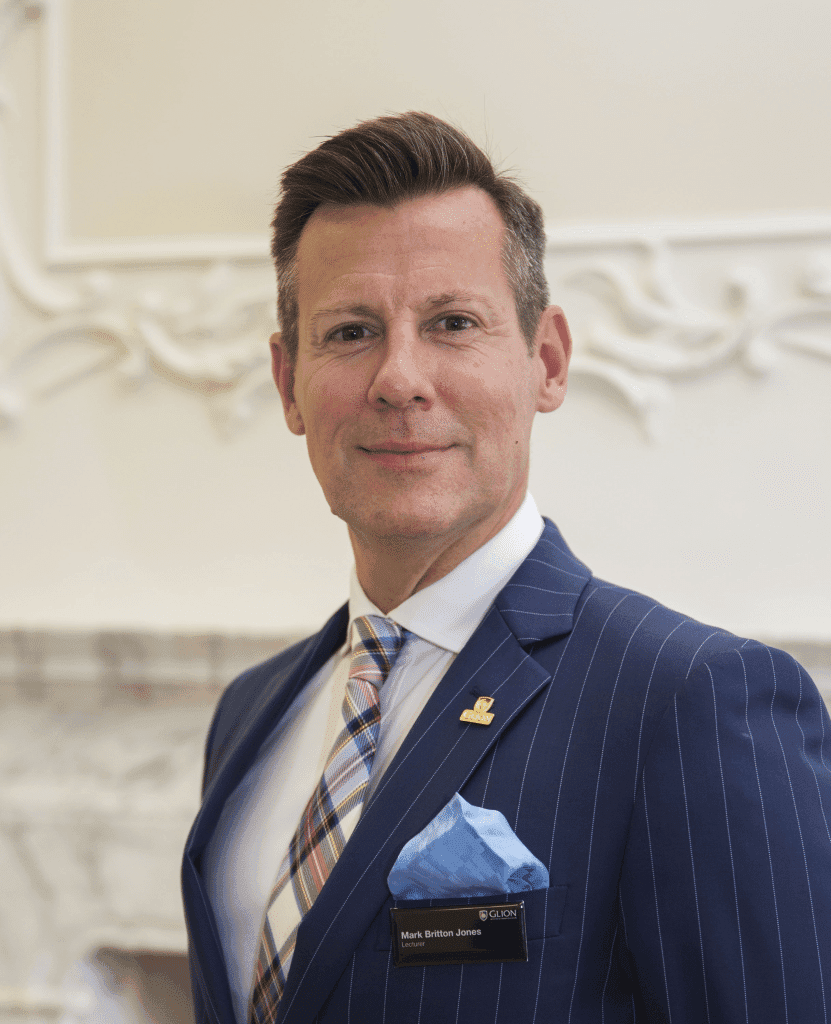
Mark Britton Jones has a career that spans more than 30 years in hospitality, airlines, and travel & tourism, which underpins the commercial know-how for the hotel sector. Having trained and worked in hotels from his early professional life, and covering all areas of hotel management and customer service, Mark brings hospitality experience from the front line up to an executive level. This deep understanding of the industry has been advanced further after gaining an Executive MBA in Hospitality & Service Industries Management from Glion.
Mark has worked as an independent consultant offering business development services within the hospitality and luxury sectors since 2012. He has been a Senior Lecturer at Glion London since 2014 and has delivered courses covering Luxury Brand Management, Marketing, Leadership and Intercultural Management, Conference & Event Management, New Product Development and Innovation, Operations Services, and Applied Business.
Find Mark at https://www.linkedin.com/in/mark-britton-jones-fih-mba-diped-a40b904/
• For more expert luxury commentary by Mark Britton Jones, click here and here.
Photo credits
Main image: Tim Platt/Getty
Woman by pool: Thomas Barwick/Getty
Luxury craftsmanship: South_agency/Getty
Immerse yourself in luxury
The Executive Master’s in Luxury Management and Guest Experience from Glion offers flexible, self-paced study that allows you to sharpen your luxury business knowledge without giving up your current role.