Hospitality – the Happiness Industry – is widely seen as the most human-centric of all business sectors. And in an age when consumer trends are leaning more towards experiences than physical goods, the commercial tailwinds for hoteliers are certainly strong.
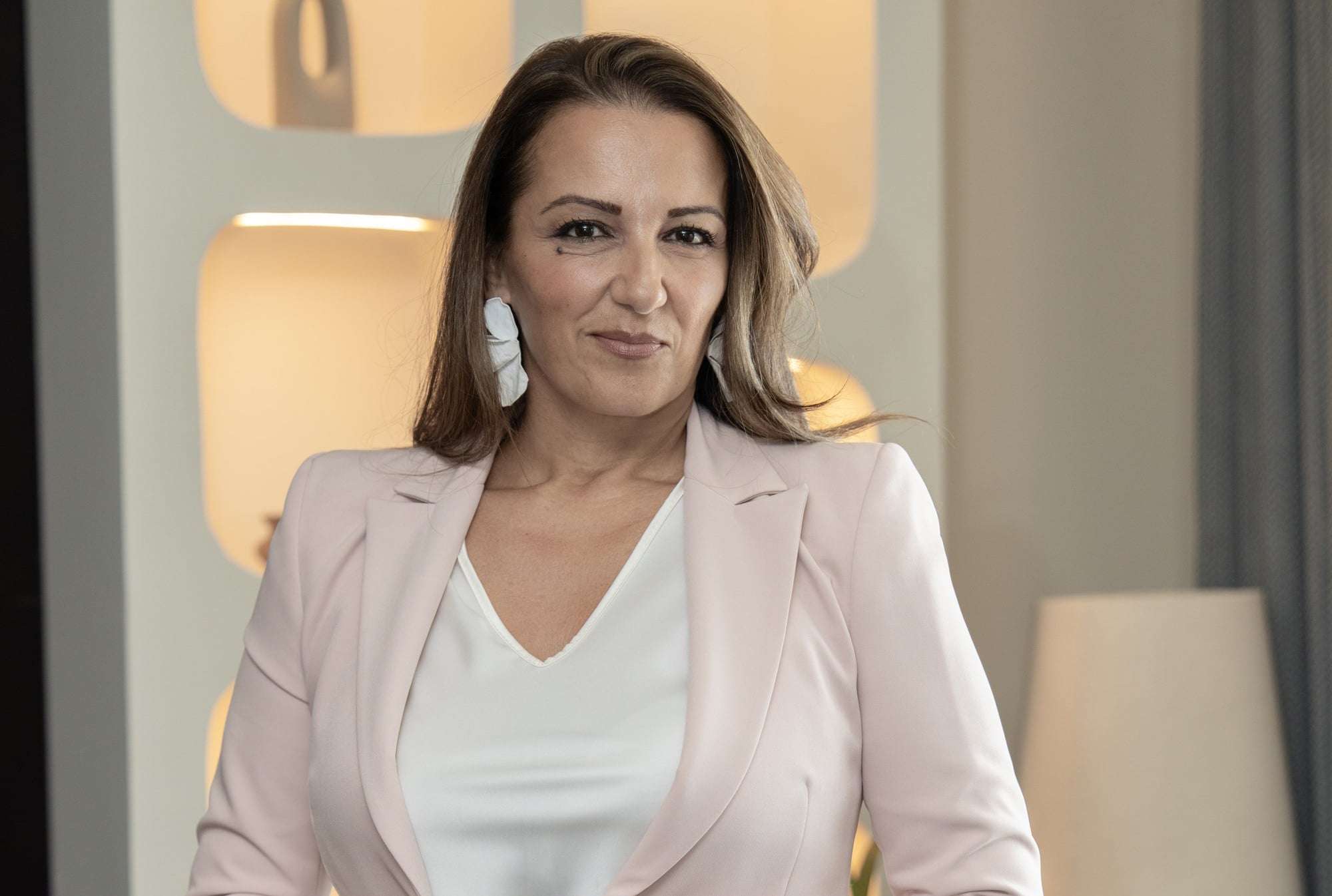
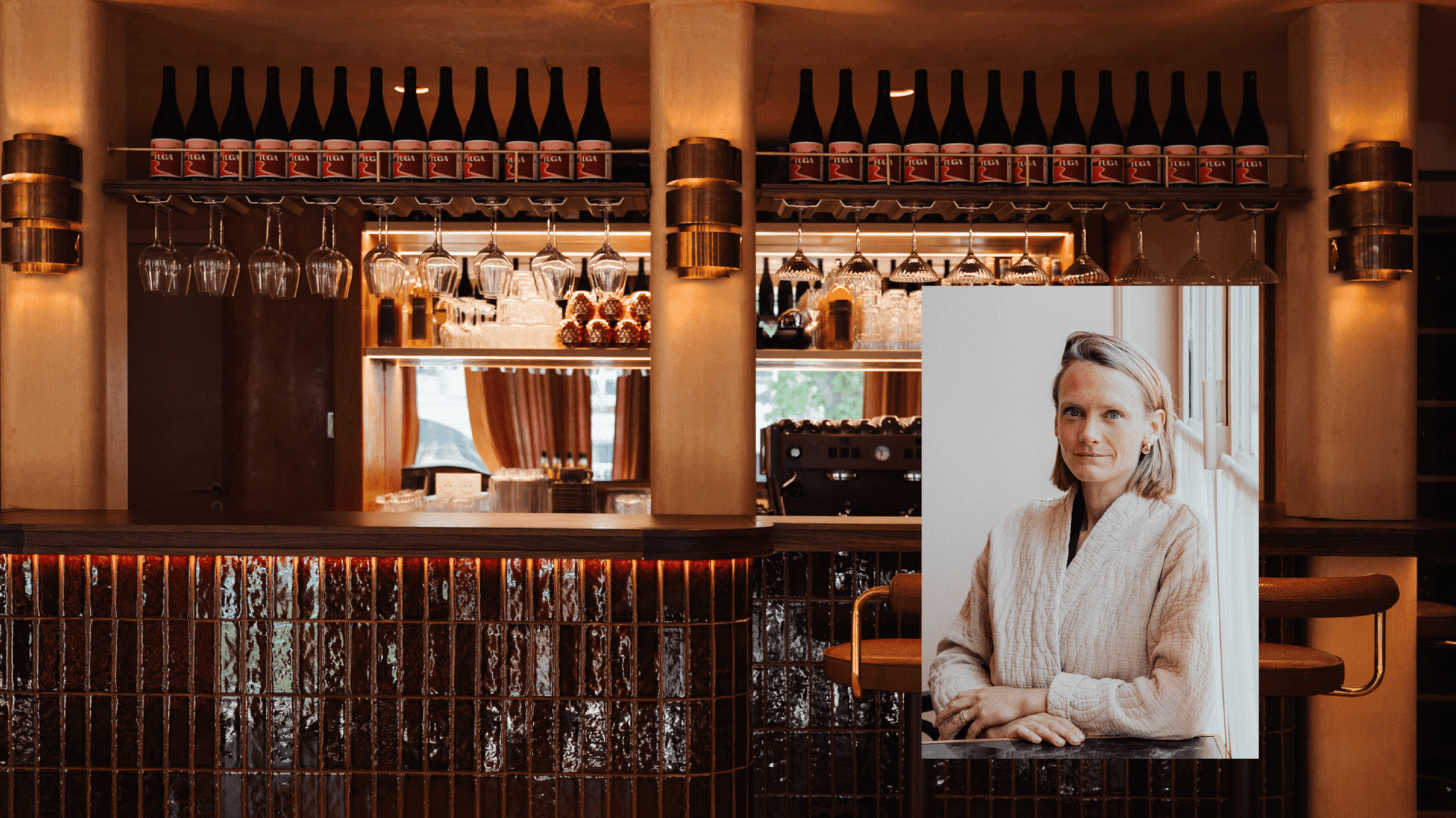
Does this mean hospitality is the home of the future-proof career? A good person to put that question to is Katrin Melle, who has spent her entire career on the ‘people’ side of the business. She held senior HR and talent roles for organizations including Aman Hotels & Resorts and Hyatt Hotels Corporation and now works as an independent advisor in talent management and leadership development.
“The ability to connect with people will always be a cornerstone of hospitality, especially in the more luxury or upper upscale echelons of the business,” she says. “But that doesn’t mean we should ignore what AI has to offer. The future of work in our industry includes both harnessing the technology to make use of it in a very smart way while at the same time fostering the human capabilities that will allow hotel brands to stay ahead of the game on the people side.”
Glion Professor Dr. Stefano Battaglia spent time in industry working as an HR business partner and learning and development consultant, before entering academia. His research specialization is in human behavior in the workplace and, from that perspective, Dr. Battaglia adds a note of caution around the concept that any career can be ‘future-proof’.
“While we’ve yet to see AI job replacement on a massive scale, the nature of many jobs is certainly changing. And that means realistically there’s no such thing as a totally future-proof career, because things change so rapidly none of us can accurately predict what comes next. What we can look for, however, are careers which are resilient, while also developing both our own resilience and adaptability as individuals. These are the skills that will help us move across jobs and roles,” he says.
Jobs in the future of hospitality
What will the hotel organizational structure look like in the age of AI? The key consideration is the level at which the business operates: the higher the luxury level, the less automation we’re likely to see in regard to guest-facing roles.
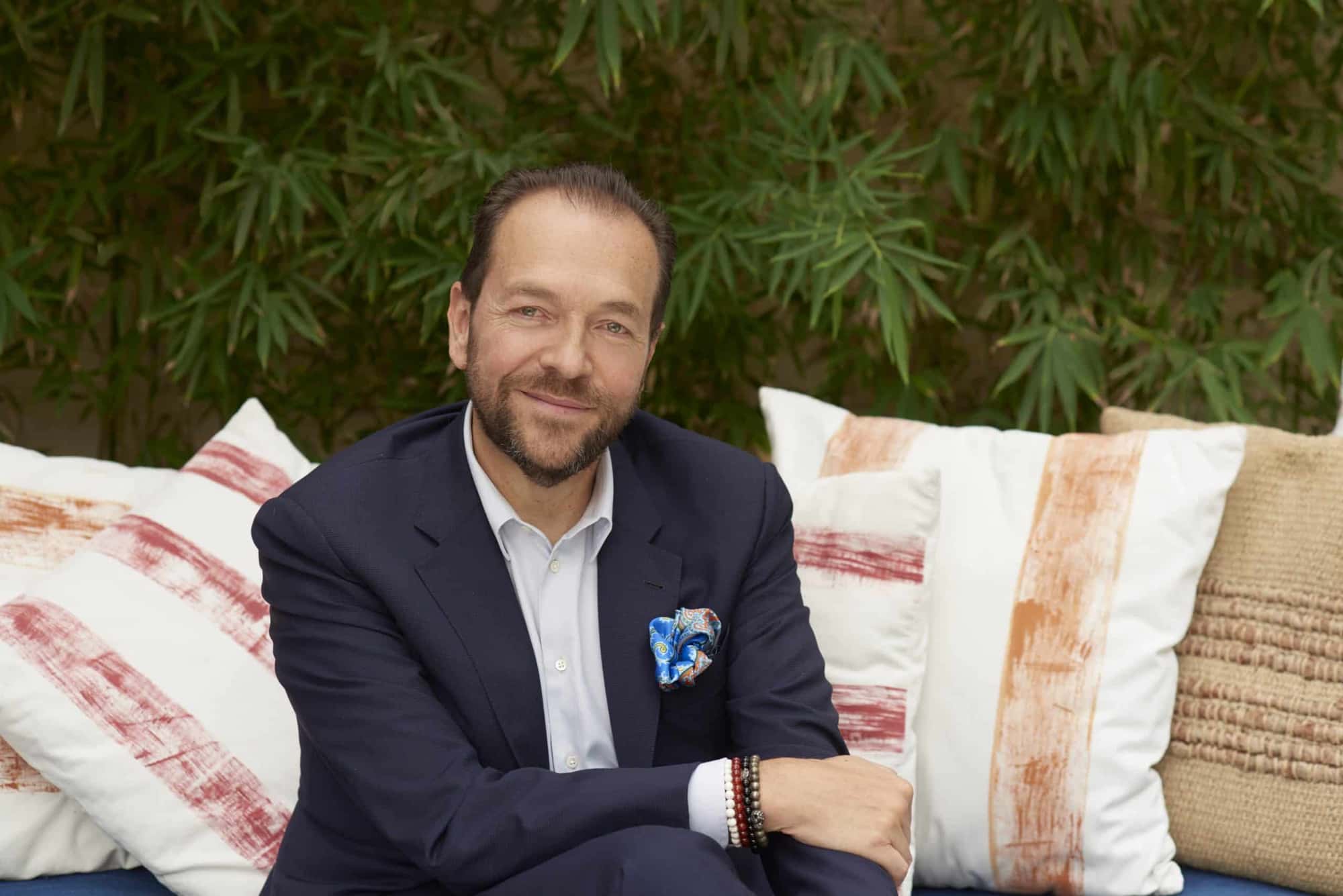
Peter Schickling is General Manager of the 5* luxury hotel W Barcelona. While an enthusiastic AI user himself, referring to the technology as being akin to a ‘digital PA’, he has nonetheless seen no change thus far to the size and make-up of his team as a result of AI implementation.
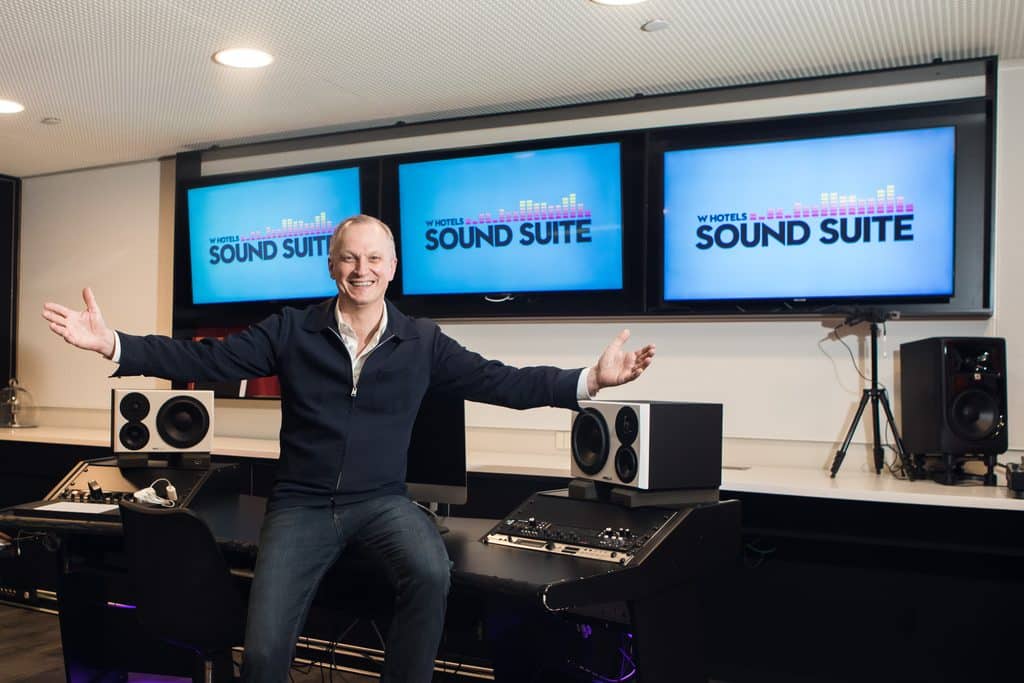
“If you see my staffing model, there’s been no drop in manpower due to AI,” he says. “This is partly a function of being at the luxury lifestyle end of the hotel spectrum, where it falls on us to make every stay an experience. This even comes down to our concierge services, where you could perhaps see generative AI taking over in hotels at a lower price point. But for our guests that ability to tap into a person’s local knowledge and recommendations is part of the W Hotels experience.”
This is not to say that the typical hotel staffing make-up will remain set in stone; nor that a hotel such as the W Barcelona is resistant to the technology. In fact, Peter Schickling points out that it is already bringing benefits to both guest facing and non-guest facing employees.
“If you take my chefs and mixologists, they can explore AI to find new trends or ideas, while the analytical capabilities of AI give us much more capacity to dig into guest feedback to make better use of the findings. Where I think we might see some of the biggest changes is in the way we use outside firms to support marketing and other activities. Even when it comes to devising and designing new restaurant concepts, AI gives us the power to do more of this ourselves,” he adds.
The productivity angle is one that Katrin Melle sees as crucial from an organizational performance perspective. “AI can be a phenomenal tool for boosting productivity; and if we can increase productivity it allows us to put our energies into other activities that are more value-adding,” she says. “It doesn’t matter which market segment your hotel is operating in, if you can make certain processes better and more efficient, it will lead to increased guest and employee satisfaction.”
Analytical roles such as revenue management financial analysis are among those which are ripe for AI augmentation, but Katrin Melle stresses that the technology should evolve rather than threaten these jobs.
“AI is brilliant at synthesizing data but to make sense of it from a commercial and market context it still requires a human mind to understand the bigger picture. You can only put things in context if you have the experience, and so it is people who need to make the right decisions for the business,” she says.
Where AI is already changing the hospitality industry
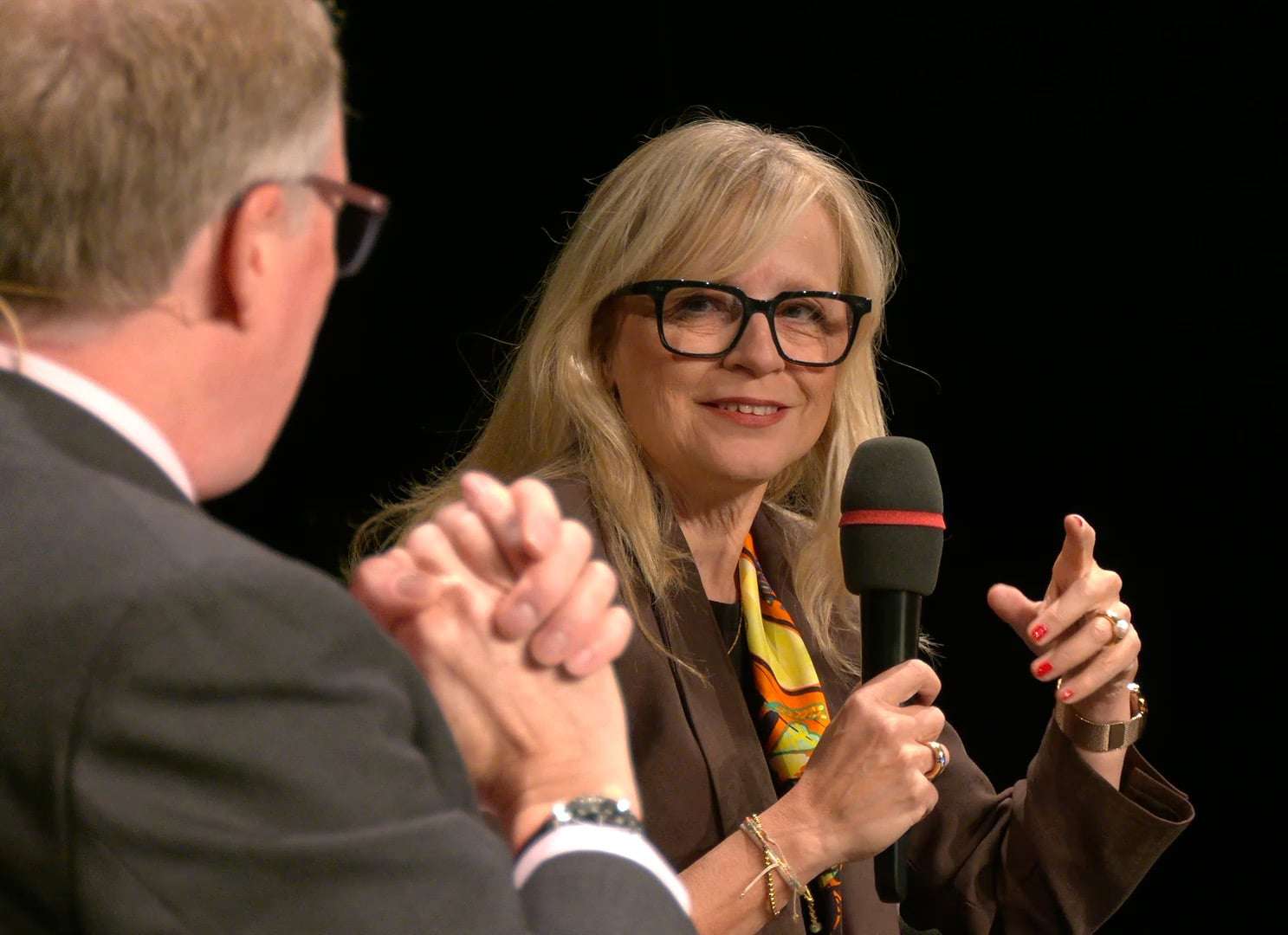
Dr. Alessio Delpero is an entrepreneur turned scholar focused on strategic management and innovation in hospitality. He actively researches how firms recombine knowledge to innovate, with a specific emphasis on how digital technologies – especially AI – shape creativity and innovation at individual and organizational levels.
He sees a key value of AI machine learning in helping hotel operators to use data to understand nuances and predict patterns in consumer behavior.
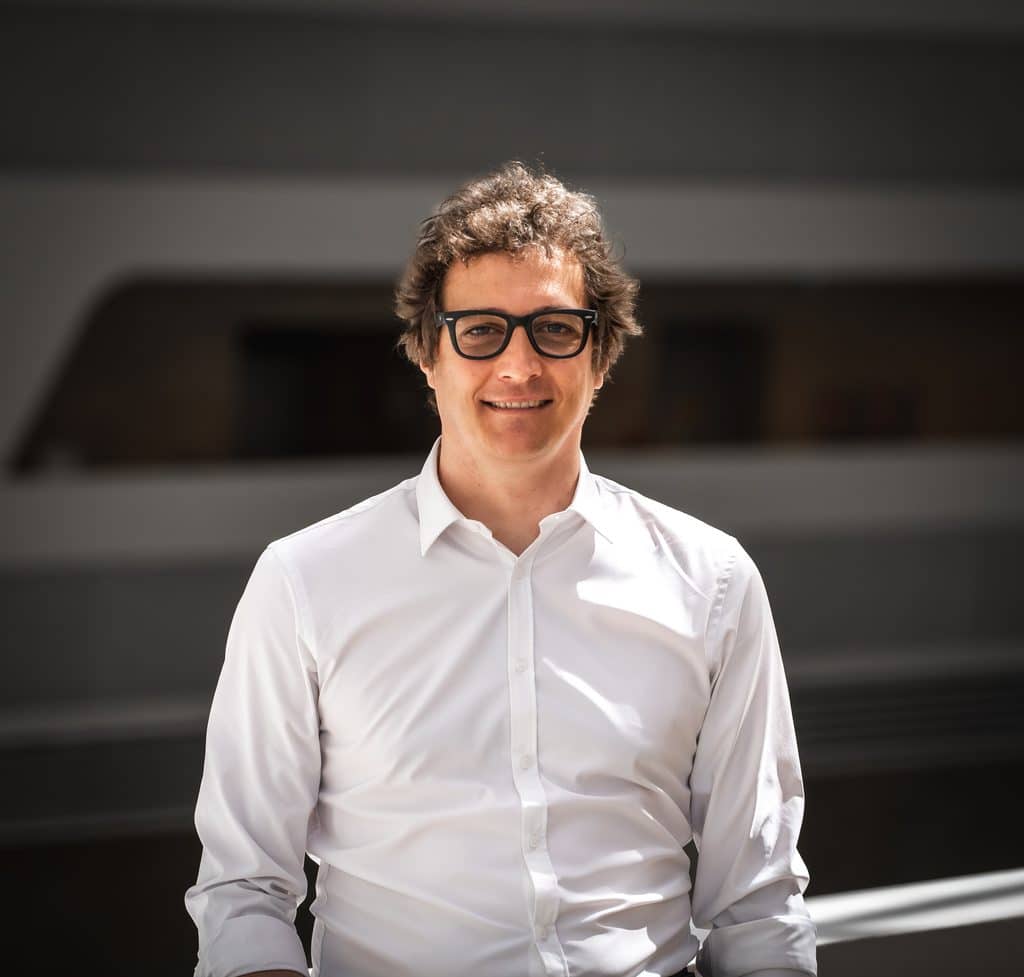
“AI can help to clarify the data, then the managerial task is to take these behavior patterns and decide which hospitality services or experiences might best fit that individual customer need,” he explains. “So a human is still very much required at the end of the chain to interpret things. And that’s probably the beauty of hospitality and tourism as an industry, in that it’ll never be about pure technology. The human part will always be predominant – because humans ultimately understand humans the best.”
For an industry still scarred by its failure to counteract the rise of the online travel agents (OTAs), the hotel business must, in Dr. Delpero’s view, be ready for the advent of AI-powered travel agents that can take customer requests and provide bespoke itineraries at the touch of a button, thanks to the technology’s exceptional abilities to assemble and process information.
“This is enabling new players to come into the market with AI-driven solutions that emulate the services of the old high street travel agents, but on a purely digital platform,” he says. “Now to what extent such products are reliable is something that we can debate. There's still room for improvement, but it's definitely a direction that the industry has taken.”
Even without the contribution of dedicated AI travel agents, the power of generative AI (GenAI) is already having a significant impact on the way consumers formulate travel itineraries and then find and book hotels suited to them. This was highlighted recently by the consultancy Digital Luxury Group (DLG) in its report The State of AI in Luxury.
Drawing on sources such as Deloitte, Bain & Co, Adobe and Forbes, DLG found that 24% of consumers are already using GenAI to plan and discover trips, with around 65% expected to use it by the end of 2026. The report also noted a 3,500% year-on-year growth in AI traffic to travel sites.
“When using AI to plan trips, people are essentially outsourcing the research and analysis to the machine,” says Benjamin Dubuc, Innovation Director at DLG. “So where in the past we might have done a Google search and then reviewed some of the top choices ourselves, now we ask the AI to select what it sees as the best all-round option in a particular location and price segment. If you’re a hotel in that segment and you are not feeding the AI with the right information and brand storytelling, you are not going to be the property it comes up with.”
While that represents a significant new challenge to sales and marketing teams, it’s not all bad news. AI is also giving smaller, independent and boutique hotel operators the ability to emulate the ‘majors’ when it comes to creating bespoke digital infrastructure. One senior hotelier who spoke to The Insider noted that his group, which manages a small collection of luxury properties in Switzerland, was developing its own CRM (customer relationship management) system by utilizing AI tools – a project that even five years ago would have been too complex and expensive to undertake in-house.
Future-proof jobs vs. future-proof skills – why the skill matters more than the title
AI’s impact is not limited to the systems hotels can build; it also raises questions about how work will change and which skills people will need as roles evolve.
For example, could the age of AI see the end of the job description as we know it? For Dr. Stefano Battaglia it’s a feature of the employment market whose time is already past.
“I’ve long thought that operationally focused job descriptions were of limited use. They tell you what you are meant to do, but not where you can really produce value. This value is created by how you actually do the job, the relationships you build, and how you adapt to change. Those are different skills to the kind of technical elements you typically find in a job description.”
With an emphasis on these ‘softer’ skills, Dr. Battaglia sees a need for individuals to showcase theirs more effectively to potential recruiters.
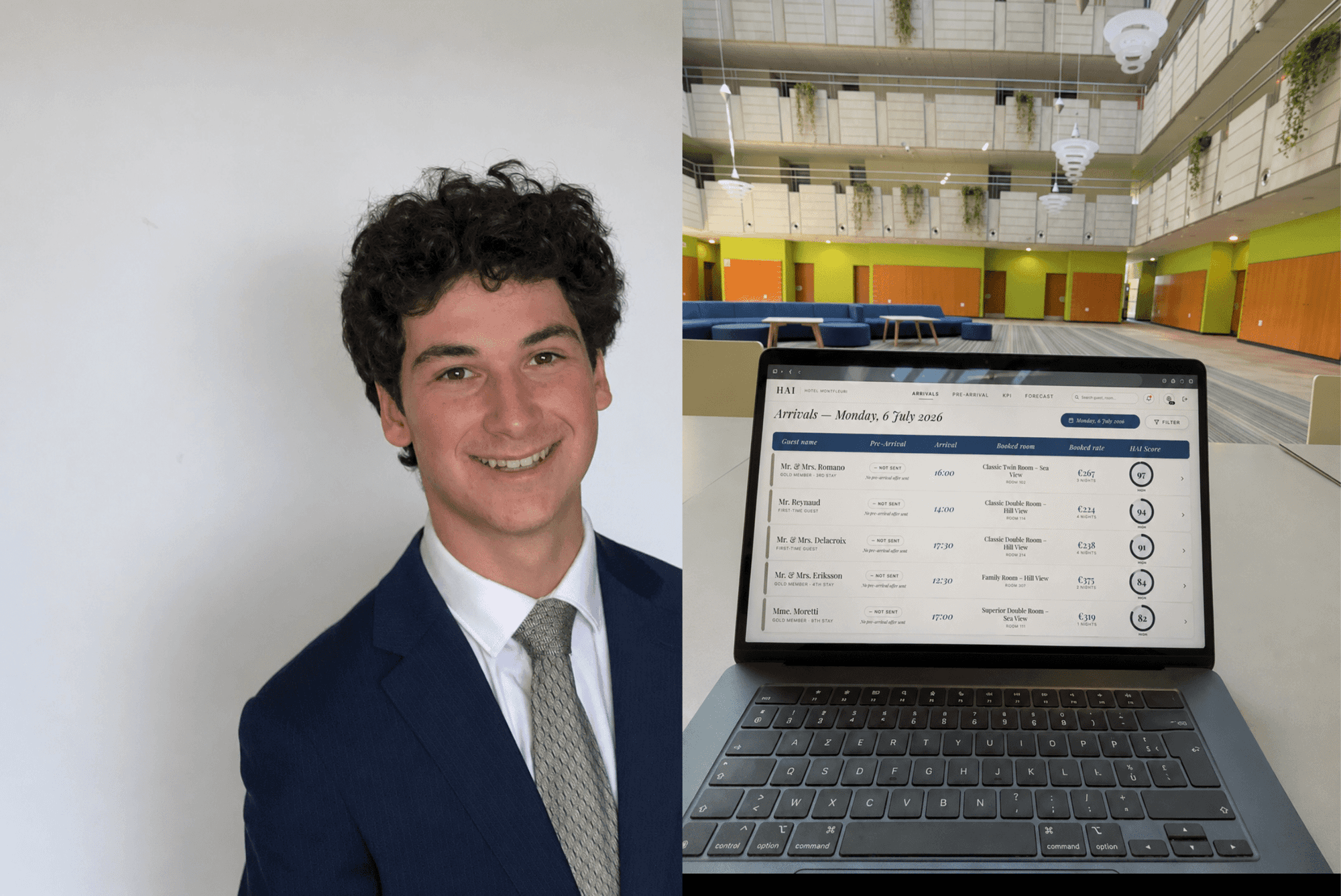
“It’s a perennial problem that a typical resume based on chronological professional experience doesn’t reflect the soft skills we might have. There’s definitely scope to showcase these better – one way might be through the use of video. A current example relating to hospitality is Paathz, founded by Ayush Soota, an alumnus of both Glion and EHL. The platform uses video introductions and AI-supported matching, giving employers another way to learn about applicants beyond their CVs.
“From the recruiter's side, we know that many firms are already deploying AI to screen initial applications. We need to ensure that these sifts don’t introduce any biases to the process; also that they still allow recruiters to identify potential employees who will be the right cultural fit for the organization.”

As a highly experienced recruiter, Katrin Melle welcomes the efficiency gains from AI adoption, but counsels against the process becoming a closed loop.
“As a tool, AI can greatly simplify the process and allow recruiters to respond faster to candidates, leading to an enhanced candidate experience. But with many applicants also deploying AI to help with their applications, we have to ask ourselves what happens if the AI on the applicant side and the AI on the recruiter side end up talking only to each other? For all the advantages of the technology, this is a question we must address if we want to make use of AI in the smartest way.
“As an example, if we take the time gained through enhanced administrative productivity in recruiting, then invest that in higher quality, more in-depth interviews, this would enable both recruiter and candidate to have a better experience and make a better decision."
The human skills that remain the differentiator
Katrin Melle believes that the skills for success in tomorrow’s hospitality industry all fit within what we typically term ‘soft’ or ‘people’ skills.
“For me, what will matter more than ever are the human capabilities which combine emotional and social intelligence, as well as all the layers that sit underneath these, including relational skills. These are essential requirements in customer-facing roles but equally for those who wish to become leaders or managers within the sector.
“It’s also important to possess a growth mindset and a willingness to learn. This willingness to learn goes beyond new technology. Equally important, maybe more, is investing in interpersonal skills and the ability to connect; something that’s essential in an industry where people’s service skills shape the experience. For leaders, this means creating workplaces that nurture such connection skills, along with human creativity, developing teams’ judgement, and offering learning opportunities that build context.
“In our industry, perhaps the most important trait of all is to have a dedication, a passion, for hospitality and guest service. In life, you can force yourself to do anything, but the particular demands of working in hospitality mean that the people who have a passion to be a host are the most successful. That said, a high level of business acumen is also important if you want to translate that passion into a successful business – and that is true whether you want to go down the full entrepreneurial route or simply want to run a successful team or a commercial component – a restaurant, bar or spa, for example – within a hotel.”
Dr. Stefano Battaglia adds that hospitality professionals also need the capacity to navigate a paradox specific to the industry. In hotels, operating standards support consistency, but when applied too rigidly they can stifle the discretion and empathy through which employees create truly memorable guest experiences.
“I’ve been thinking about where AI might – either now or in the future – have a part to play in this tension between genuine personalization and the organization’s standards and policies,” he notes. “For now, I don’t think it can solve the paradox, because it has to be navigated in the context of a particular moment, a particular situation, a particular guest.
“AI can gather information, but it falls to the employee to make that split-second decision on what to do in a particular scenario. And the successful organizations, to my mind, will be the ones who empower those judgement calls with the assurance that employees will be supported when things don’t go as intended.”
What this means for students choosing a specialization today
One of the acknowledged risks of AI from an employment perspective is the impact it seems set to have on entry-level clerical/administrative jobs. These are roles which, for many, are a crucial first step on the career ladder. Coupled with a recruitment environment that has shifted from a seller’s to a buyer’s market, it means young people seeking professional education must today be more strategic and forward-looking in their approach.
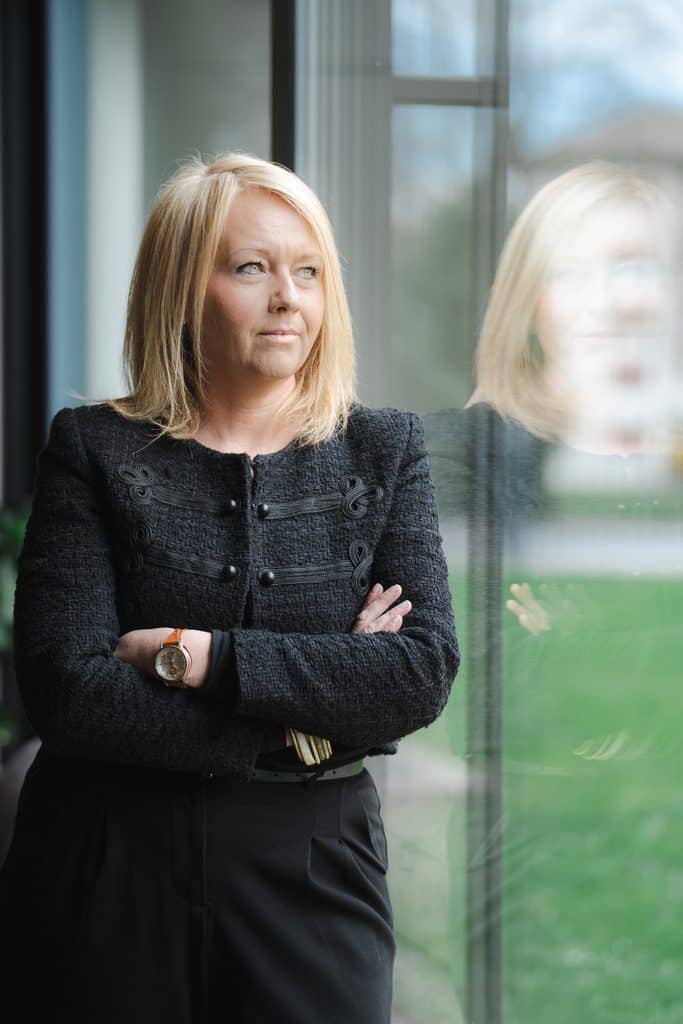
Audrey Reynaud is Dean of Undergraduate Studies at Glion. She points to the incorporation of career-focused specializations in our flagship Bachelor’s in International Hospitality Business as an important opportunity for students to complement a broad hospitality management education with a specialized area of expertise.
“This is all about positioning students for the evolving demands of the global industry,” she says. “Whether they choose Luxury Brand Strategy, International Hotel Development and Finance or Guest Experience in Event Management, students gain specialized knowledge, practical insights and industry-relevant skills that extend beyond the traditional boundaries of hospitality management.”
Armed with this knowledge, students can develop a distinctive professional profile, explore specific career paths and build a competitive advantage in what is an increasingly specialized and interconnected business environment.
“Importantly, these specializations do not limit graduates to a single career path; rather, they create more far-reaching opportunities by combining a solid foundation in international hospitality business with expertise that is transferable across industries and international markets,” she adds.
Perhaps that represents the best future-proofing of all?
Photo credits
Main image: Igor Suka/Getty
Emotional intelligence: Parradee Kietsirikul/Getty
Your future starts with adaptable skills
In a fast-evolving industry, the ability to learn, adapt and connect with people matters more than any single job title. Explore how Glion’s Bachelor of Science in International Hospitality Business combines practical experience, business knowledge and specialist study to help you build these skills.