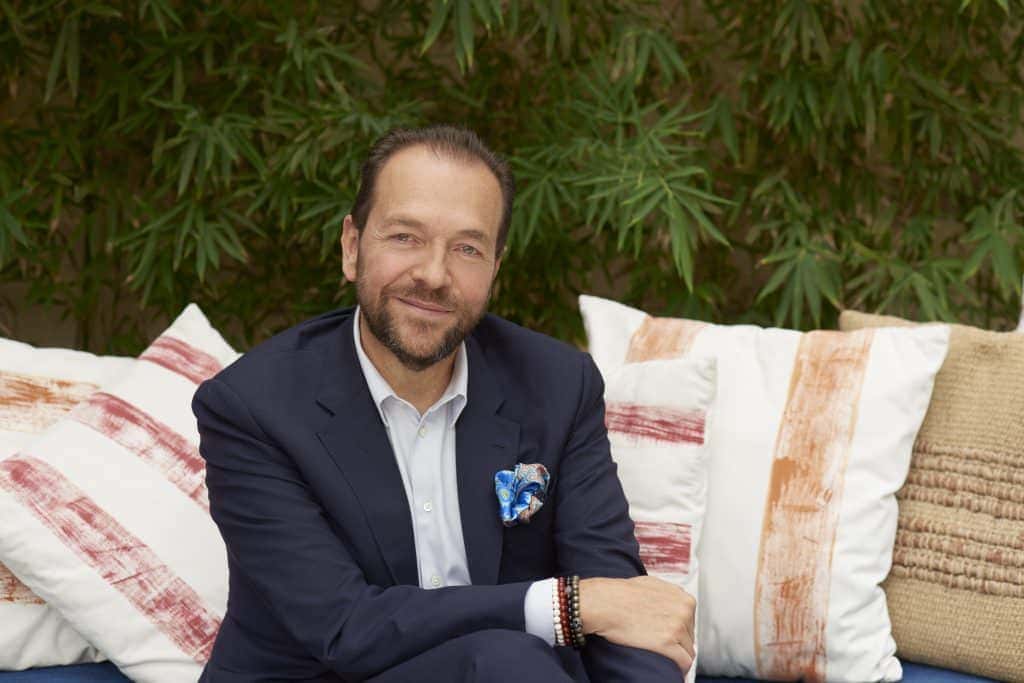
“The hotel is an ecosystem that needs to work for the owner who put the money down but also for the management, the colleagues, the local community and everything else that surrounds it, including suppliers and partners,” says Massimo Ianni, Founder of hotel and hospitality consultancy Massimo & Partners.
“Regenerative hospitality is where there is a greater balance between what initially looks like an economic transaction and what ultimately benefits everybody involved. Not only is it good for all parties, it’s a great way of ensuring hotels can satisfy the evolving demands of customers who now value experiences over everything else.”
As a Glion graduate and a professional with more than 15 years’ experience working for Hyatt and almost 30 years running his own firm, Massimo has developed a keen insight into what independent hotels need to do to succeed and why. He spoke to The Insider to share more about his vision for independent hospitality and why it’s necessary to maintain the industry’s relevance.
Experience over product
“One of the most significant changes within hospitality over the past few years is that people no longer pay thousands of dollars a night just for the product,” he says. “So hoteliers have to offer more than just a luxury room and comfy bed. They have to ask themselves what else they can bring to the table. Is it unique experiences? Is it connectivity? Is it a new way of thinking? All these things are what Massimo & Partners now considers when opening an independent hotel.
“Anywhere can have wonderful cuisine, amazing menus and health spas. But increasingly hotels need to work much more on the intangible elements of their property rather than the physical. Because after the first 15 minutes of ‘wow’ factor, customers are asking ‘OK, what else do I get for my money?’”
Since 1998, when he left his high-level role at Hyatt, Massimo has been running his own firm helping independent owners launch hotels. And it was while General Manager of the Hyatt in Tahiti that he first experimented with an approach that would become regenerative hospitality.
“On Wednesday afternoons, children in Tahiti don’t go to school,” he says. “That meant many of my employees who were mothers couldn’t work because they had to look after their kids. Someone suggested having a kindergarten at the hotel on Wednesday afternoon, which we tried.
“It turned out to be a brilliant solution. Not only did I solve my staff shortages issue, we also developed a new service for guests. On the Wednesday evening, we started offering them the opportunity to go and eat with the local people they had met during the afternoon. That was a unique opportunity that really increased the value of guests’ experience. And that’s what regenerative hospitality is all about.”
Freedom to innovate
Since he works almost exclusively with independent hoteliers, Massimo enjoys rather more leeway to suggest regenerative solutions than he would with larger hotel brands.
“Most of the time, all we have is a piece of land – maybe an existing building,” he says. “That really enables you to push the boundaries. And since most of the owners don't really know much about hospitality, if you come to the table with a proper business plan that incorporates regenerative principles – and that plan stacks economically – they frequently give you the freedom to go ahead with it.”
Moreover, Massimo believes regenerative hospitality actually makes the business more likely to succeed.
“Because it’s about making sure all stakeholders are important, including staff, regenerative hospitality makes a hotel more attractive to prospective employees, which is critical in an era when hiring has become such an issue,” he says. “It’s a different way of thinking that encourages people to be proactive and treats them as more than just a resource.
“As an example, we're doing a project here in Argentina where the chef and service is the same job. So the person who makes the food also serves it to the guest. Imagine the passion they bring to the table. It’s more complex training, but it’s incredible for their job satisfaction and for the guest. It’s a situation where the customer, the hotel and the employee all benefit.”
Giving back to the community
It’s also about making sure the area in which the hotel is situated and the local economy and community benefit too.
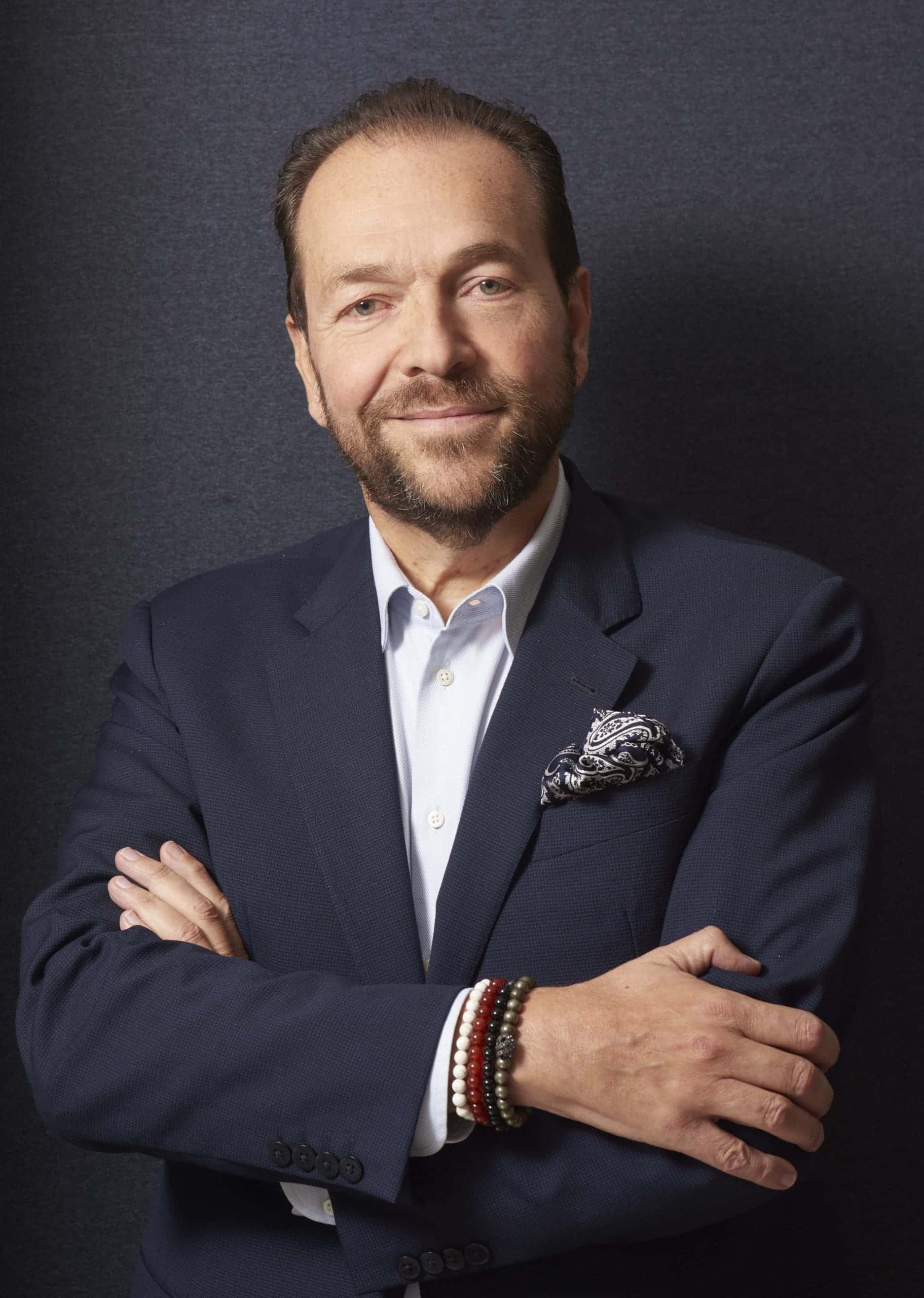
“We worked on a project in Portugal that’s in a rural location where there are not enough resources to service the hotel,” says Massimo. “So three years before the hotel opened, we decided to create a small school in the area to train local people in hospitality skills so that, when it came to opening, we had a pool of people qualified to deliver the kind of service we wanted to offer. That’s the kind of thinking we need more of, I believe. It’s not limited to local sourcing either; it’s actually investing in the future of the community.”
Massimo is committed to embedding regenerative hospitality within the industry and indeed insists those he works with consider incorporating such approaches in their projects.
“I do make sure the partners I work with understand the principles and are on board with them,” he says. “I’m lucky in that most of the owners I work with get it. But even those who don’t at the outset come around to this way of thinking once they see the benefits regenerative hospitality brings – and not just to the bottom line. Working with the local community isn’t just cheaper. It enables you to offer something truly original.”
Worth the effort
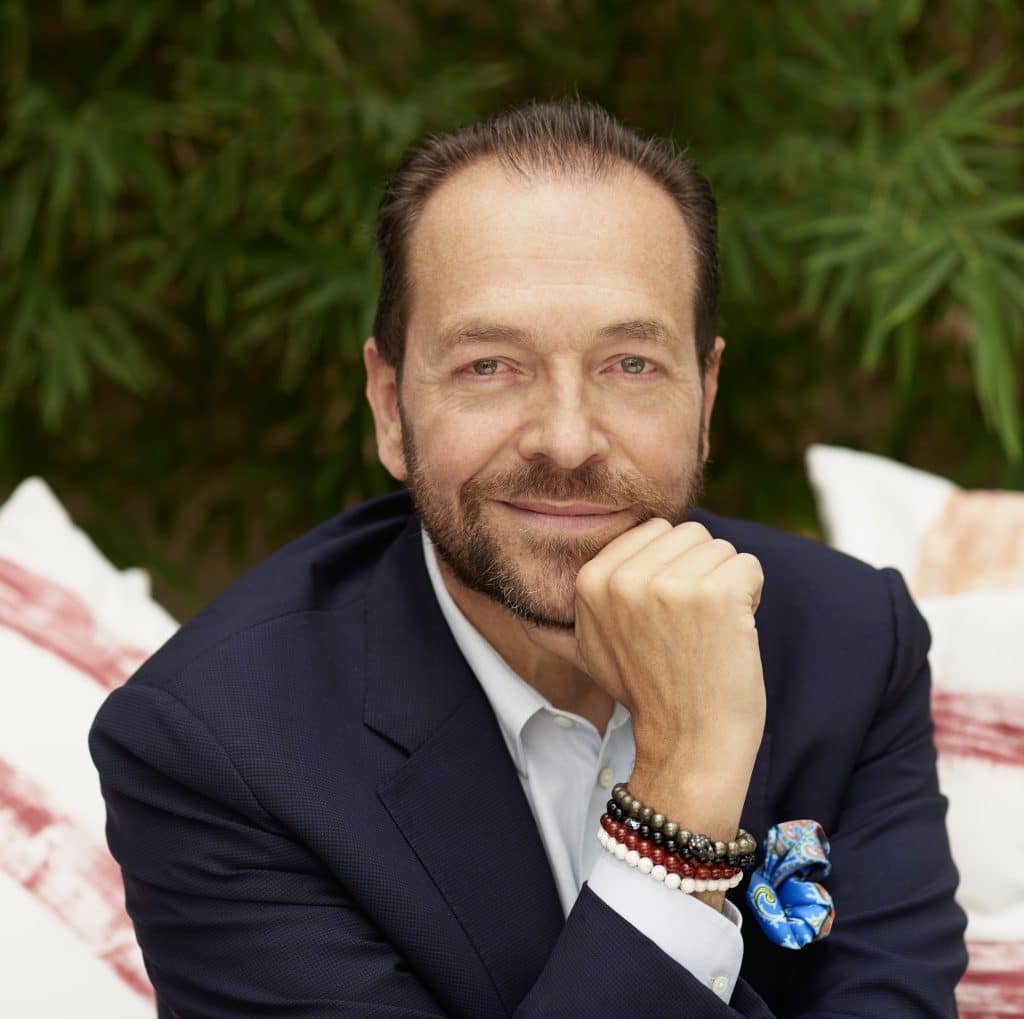
That ability to offer a unique experience makes the extra effort worthwhile, according to Massimo.
“I tell everyone I work with it’s going to be difficult at the start,” he says. “This approach takes more work, more strategic thinking and a more rigorous employee selection process, because you need to make sure the people working at the hotel reflect the property’s characteristics and environment.
“Whenever you come up with a completely original concept, it takes time and it takes an owner who has vision. Of course, it’s much easier for them to turn their plot of land or building into a parking lot if all they want to do is make money. But if they want a bit of fun along the way as well, then I suggest we open a hotel that incorporates the principles of regenerative hospitality.”
Rising to the challenges
While Massimo has enjoyed almost three decades of helping independent owners open hotels, it has not been without its challenges.
“The pre-opening period is one of the most difficult moments in the life of a hotel,” he says. “It’s the point when up to five years’ worth of planning all has to come together at the last minute. I often have members of my team ask why we make lives so complicated for ourselves. And my response is always the same – we’re making memories and creating history.
“We did the world’s tallest hotel in the Burj Khalifa with Georgio Armani and now we’re in the process of opening the southernmost luxury hotel in the world in Puerto Williams, Chile. It’s a challenge, but in a way, that’s why we do it.”
Alongside pre-opening, Massimo also identified the overlapping nature of projects and the need to manage several at various different stages as additional challenges.
“On average, I would say we do between 10 and 15 projects at the same time of different scale,” he says. “To manage that, we have a project director for each one, then we have a support team and an internal ‘library of talents’ that each project director can call on when needed. It’s an organizational and logistical challenge, but that’s the business we’re in.
“And as a former hotel general manager, it’s something I’m used to. In any day, you can be dealing with a chef who wants to change tomato supplier, a marketing director who wants you to sign off on a campaign and a guest who has a complaint. Handling lots of things at once while keeping a cool head is just the nature of the business.”
Igniting the passion
If his stellar career at Hyatt provided Massimo with the knowledge and experience to cope with the challenges he has taken on, it was three years at Glion in the early 1980s that instilled in him the qualities that have contributed to his success.
“The passion for the industry came from Glion for sure,” he says. “I originally wanted to be an actor, but my father was not happy with that choice and wanted to send me somewhere that would be hard work, which is when he found out about Glion.
“And while discipline was important there and the work was hard, from the moment I pulled on a chef’s hat in one of the practical classes and decided it was like taking on a role in the theater, I knew it was what I wanted to do.
“But it was more than the passion and the discipline. What really made the difference was the mindset that you could achieve what you wanted. That’s what made me decide to leave Hyatt – with its reliable paycheck and executive lifestyle – and launch my own company. And it’s what makes me think I can still push the boundaries and make a difference, which is what we do at Massimo & Partners.”
• To discover more about Massimo & Partners, visit the website
Photo credits
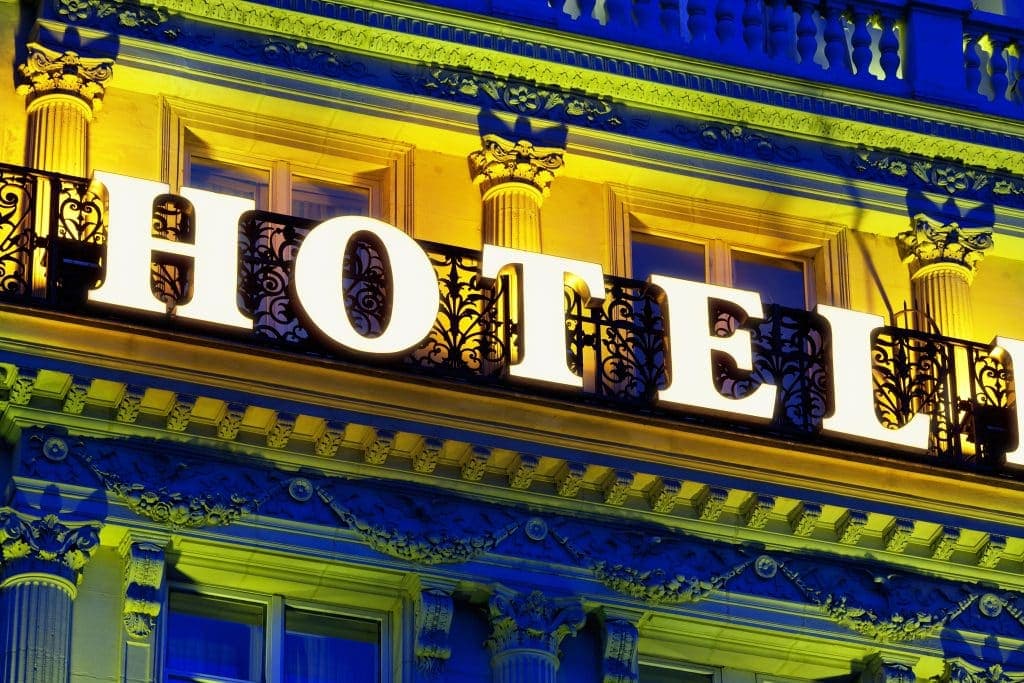
Hotel sign: Sylvain Sonnet/Getty
VIP sign: towfiqu ahamed/Getty
Get to know our Glion alumni
Our global alumni community now numbers over 18,600 individuals spread to every corner of the world. Visit our dedicated alumni pages to discover how this very special group of people ensure the Glion Spirit lasts forever.