

The hospitality industry is a significant global employer, supporting millions of jobs worldwide. According to the World Travel & Tourism Council (WTTC), the travel and tourism industry was expected to support nearly 348 million jobs globally in 2024, surpassing pre-pandemic levels by 13.6 million jobs.
Hospitality management studies prepare students for this fast-growing industry by covering business strategy, financial management, marketing and leadership. Whether managing a luxury hotel, boutique resort or major event, professionals need a strong mix of business acumen and people management skills to succeed.
One of the biggest advantages of a hospitality career is its global reach. Unlike many professions limited to specific regions, hospitality opens doors to hotel management, fine dining, event planning, travel consulting and real estate development all over the world.
For those who enjoy working with people, solving challenges and creating unique experiences, hospitality management offers a rewarding and future-proof career path. With continuous growth, innovation and high demand for skilled leaders, this industry remains a popular choice for students worldwide.
What you’ll learn in a hospitality management program
A hospitality management program prepares students with business expertise, leadership skills and industry-specific knowledge. Graduates are equipped to manage hotels, luxury brands, restaurants and event spaces while also being able to adapt to new technology and industry trends.
Core business and management skills
For success in hospitality, you need a strong foundation in business and management. Students on hospitality management programs gain the skills needed to oversee daily operations, maximize profitability and lead successful teams. Key areas include:
- Focus on financial management: analyze budgets, control costs and drive revenue for long-term business success
- Develop effective marketing strategies: attract guests, build brand loyalty and enhance digital presence
These skills prepare graduates for hotel management, luxury hospitality and entrepreneurial ventures.
Specialized hospitality knowledge
A hospitality degree provides in-depth industry knowledge, helping students excel in hotel operations, luxury brand management, food and beverage and event planning. This expertise is developed through hands-on learning in areas such as:
- Understanding hotel operations: manage reservations, optimize revenue and create memorable guest experiences
- Master luxury brand management: build prestige, ensure exclusivity and maintain high-end customer expectations
With sustainability shaping the industry, students also learn eco-friendly hospitality practices to meet modern guest expectations.
Soft skills and leadership
Hospitality is a people-first industry, requiring strong interpersonal and leadership skills. Programs focus on communication, customer service and problem solving to prepare students for high-pressure environments. Students develop key soft skills that are crucial for leadership roles, including:
- Leadership and team management: inspire teams, manage crises and drive business growth
- Communication and customer service skills: create personalized guest experiences and handle service recovery effectively
- Human resource management skills: recruit, train and manage diverse hospitality teams for smooth operations
Developing these skills is essential for leadership positions in hotels, resorts and tourism businesses.
Technology and innovation
The hospitality industry is evolving all the time and technology is transforming guest experiences and business operations. Hospitality students gain expertise in AI, automation and digital tools to stay ahead of industry trends. Key areas of technological innovation include:
- AI and automation: using AI for personalized recommendations, automating bookings and improving customer satisfaction
- Data analytics: predicting customer preferences, improving revenue management and optimizing pricing strategies
- Digital transformation in food and beverage: applying technology to restaurant operations, menu development and service quality improvement
Graduates who embrace digital transformation can gain a competitive edge in the global job market.
Industry exposure and internships
Real-world experience bridges the gap between classroom learning and industry practice. Many hospitality programs offer hospitality internships with leading hotels, travel agencies and luxury brands. These opportunities allow students to:
- Gain hands-on experience: apply theoretical knowledge in professional settings and work alongside industry leaders
- Build professional connections: network with employers, gain mentorship and open doors to global career opportunities
- Develop job-ready skills: refine decision making, customer service and operational efficiency through practical training
Student internship experience
Firsthand exposure to luxury hospitality is a key part of the educational journey at Glion. Bachelor’s student Anasztazia Marci experienced this during her internship at D Maris Bay, one of Turkey’s most luxurious beach resorts.
Located on the stunning Datça Peninsula, the five-star property features 196 rooms, 37 suites and a private villa with its own pool, blending boutique elegance with world-class service.
During her internship, Anasztazia worked in the Guest Experience department, where she fulfilled guest requests and helped create unforgettable moments.
Her hands-on experience has given her invaluable insights into delivering flawless, personalized service, an essential skill for excelling in the luxury travel industry.
Career pathways in hospitality management
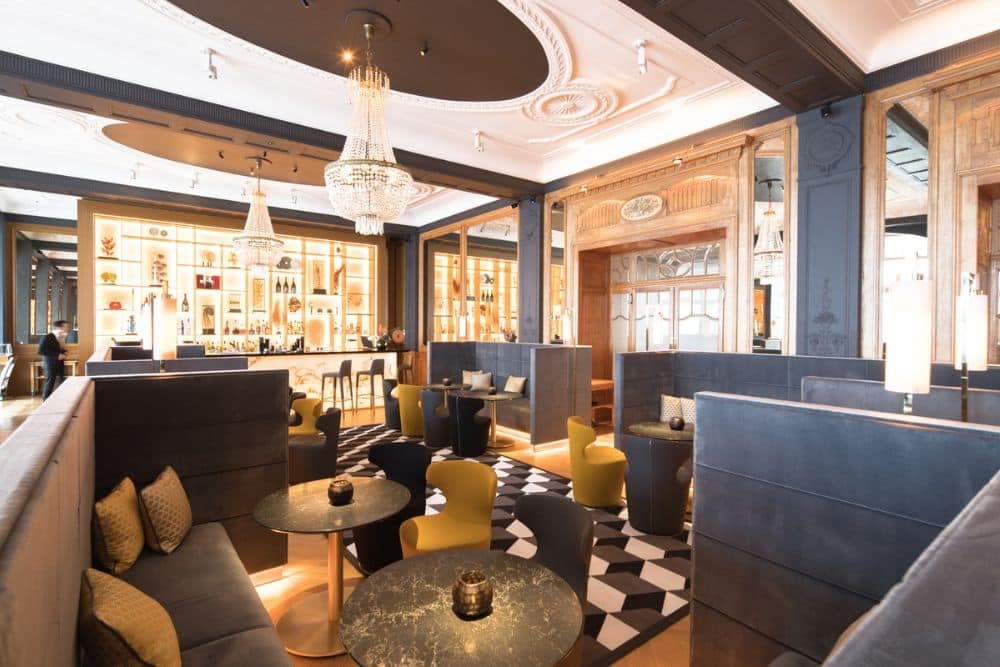
A hospitality management degree opens doors far beyond traditional hotel roles. While many still associate hospitality with hotels, there is much more to it than that.
Graduates might lead guest experience strategy, develop sustainable travel programs, drive adoption of hospitality tech or shape brand narratives.
Others move into areas such as investment and development. These diverse roles reflect an industry in motion, shaped by shifting guest expectations, climate challenges and digital innovation.
Hotel and resort management
Managing a hotel or resort requires a mix of financial knowledge, leadership skills and operational efficiency. Professionals in these roles ensure smooth daily operations while maintaining excellent guest experiences. Common positions include:
- General manager: leads all hotel operations, ensuring profitability and high service standards
- Revenue manager: develops pricing and booking strategies to maximize occupancy and revenue
- Front office manager: oversees reception teams, check-ins and guest relations to maintain seamless service
Graduates who enjoy leading teams, solving operational challenges and working in dynamic environments thrive in this industry.
Luxury and lifestyle brands
The luxury hospitality industry blends brand exclusivity, customer experience and high-end service. Professionals in this industry focus on creating exclusive guest experiences in travel, retail and private concierge services. Career options include:
- Brand manager: develops and executes marketing strategies for luxury hospitality businesses
- Private jet concierge: provides personalized services for elite travelers, such as arranging in-flight amenities, luxury ground transportation, bespoke travel itineraries and exclusive event access.
- Retail hospitality strategist: improves guest engagement in luxury retail spaces, combining hospitality principles with high-end customer service
Luxury brands look for people with strong attention to detail, cultural awareness and exceptional communication skills—everything a hospitality management degree helps you build.
Events and entertainment
Event planning involves organizing large-scale gatherings, festivals, corporate events and private functions. Hospitality graduates with exceptional organizational and negotiation skills are well-suited for these roles, which include:
- Event manager: oversees conferences, social events and destination experiences from start to finish
- Festival coordinator: manages high-profile entertainment events, handling logistics and partnerships
- Hospitality consultant: advises businesses on improving guest services and operational efficiency
With the rising demand for experiential travel and corporate events, this career path offers dynamic and creative opportunities for hospitality graduates.
Real estate and hospitality development
Graduates with an interest in finance, investment and tourism infrastructure can pursue careers in the hospitality real estate industry. Roles in this field require expertise in market analysis, financial planning and a deep understanding of guest preferences. Potential career paths include:
- Resort property developer: identifies and develops properties for high-end hospitality investments
- Investment analyst: evaluates hotel and resort real estate, guiding clients toward profitable ventures
This career path suits graduates who can combine financial insight with long-term strategic thinking. It’s a chance to shape the future of hospitality, designing spaces, guiding investments and influencing how the industry grows.
Technology and innovation
Technology is rapidly changing the hospitality industry, creating career opportunities in AI-driven guest experiences, automation and data analytics. Emerging roles include:
- AI-driven guest experience manager: improves customer interactions through automation and smart technology
- Hospitality data analyst: assesses a broad range of data to improve pricing strategies, marketing and guest engagement
Employers seek candidates who understand digital transformation and know how to use emerging technologies to improve guest experiences—skills you’ll develop throughout your hospitality management studies.
Sustainability and wellness
Eco-conscious travel and wellness tourism are reshaping hospitality, driving demand for specialists in sustainable business practices and holistic experiences. These growing areas are opening up new hospitality careers for graduates, such as:
- Eco-resort manager: champions sustainability, driving waste reduction, renewable energy adoption and unforgettable eco-friendly guest experiences
- Wellness retreat director: designs and manages wellness-focused hospitality experiences, integrating health and relaxation services
With more travelers prioritizing sustainability and well-being, hospitality management graduates, trained in eco-friendly operations and guest experience design, are well-prepared to play a key role in shaping future industry trends.
Finding your niche in hospitality
The hospitality industry offers a wide variety of career paths, allowing professionals to tailor their futures to their unique interests and strengths.
At Glion, students can choose from specializations that align with major industry niches, preparing them for specific roles in areas such as luxury hotel management, high-profile event planning and real estate development.
Choosing the right specialization not only improves career prospects, it also deepens expertise in specific areas of the industry.
Hotel and resort operations
Managing a hotel or resort requires a firm grasp of guest services, revenue management and daily operations. The focus is on creating exceptional experiences while ensuring business profitability. Careers in this area include roles such as:
- General manager: oversees all aspects of the property, from financial performance to guest satisfaction
- Guest experience manager: creates and manages guest programs, services and experiences to deliver exceptional stays and increase customer satisfaction
- Operations director: ensures smooth day-to-day operations, managing logistics and staff efficiency
Graduates who specialize in hotel and resort operations may work in small hotels, global chains and exclusive resorts. Those interested in unique, smaller-scale hospitality can consider careers in boutique hotel management.
Luxury brand management
Luxury hospitality extends beyond standard hotel service into delivering exclusive experiences with meticulous attention to detail. This specialization is ideal for professionals aiming to work in luxury hotels, private travel services or elite concierge brands. Career paths include:
- Luxury hotel manager: upholds brand prestige and ensures high-end service consistency
- Brand strategist: develops marketing strategies tailored towards luxury hospitality businesses
- VIP concierge manager: provides bespoke services for high-net-worth clients, from private travel to exclusive experiences
Success in this industry requires a strong understanding of different cultures, excellent service skills and knowledge of luxury hospitality. If you want to learn more, explore how luxury management helps deliver high-quality guest experiences.
Real estate and investment
The hospitality real estate industry combines property development, investment strategy and tourism infrastructure. Roles include:
- Hotel real estate developer: identifies and builds hospitality properties, including boutique hotels and resorts
- Hospitality investment analyst: assesses market trends and provides financial insights on real estate acquisitions
- Asset manager: maximizes the profitability of hospitality properties through strategic planning
This specialization is ideal for students who are passionate about business growth, investment strategies and large-scale property development.
The value of internships and industry experience
Employers want candidates who can handle challenges, work under pressure and adapt to dynamic environments. Internships provide vital experience of all three, helping prepare graduates for long-term success.
Top internship opportunities
There are many internship opportunities in the hospitality industry that allow students to explore different career paths in areas such as:
- Hotels and resorts: gain experience in guest relations, operations and food & beverage management
- Luxury brands: learn the art of high-end service, branding and customer engagement
- Tourism boards: work on destination marketing, event planning and tourism development projects
- Event management firms: help organize large-scale conferences, weddings and corporate events
These opportunities build expertise and help students understand different aspects of the industry before choosing a career path.
How internships boost employability
For many students, hospitality internships provide structured training and direct exposure to industry standards, making them a valuable stepping stone for career success. Those looking to gain real-world experience can explore opportunities in hospitality internships to strengthen their skills and improve their employability.
Key benefits include:
- Networking: interns connect with professionals who can offer guidance, referrals and potential job opportunities
- Mentorship: working under experienced leaders provides valuable insights and career advice
- Career progression: hands-on experience makes candidates stand out, increasing their chances of securing a full-time role
A Forbes report found that interns are 25% more likely than non-interns to secure a full-time job within six months of graduation. This emphasizes the value of real-world experience.
Internships go beyond just teaching job-specific skills. They serve as a gateway to long-term career success.
Orsola Tringali, a student from Glion’s Bachelor’s program, shares her eye-opening internship experience at 8JS: “My first internship was as a sommelier in a gastronomic restaurant. The position was challenging and helped me grow.
I learnt many skills I could not live without and that help me today in my new internship, such as patience and flexibility. I believe this first practical arts internship is a necessary step to create a ladder that helps you reach the top.”
Why hospitality is a future-proof career choice
The hospitality industry is one of the most resilient and adaptable industries, making it a promising career choice for the future. It has bounced back from global challenges and continues to create new job opportunities in technology, sustainability and customer experience.
Growth and resilience post-pandemic
After the pandemic, the industry rebounded rapidly, with luxury hotels growing by 48.5% and midscale hotels by 34.5%. This impressive recovery highlights the strong, ongoing demand for travel, dining and accommodation worldwide.
New career opportunities
Technology and sustainability are shaping the future of hospitality, creating exciting job roles in areas such as:
- Artificial intelligence (AI) – hotels use AI to personalize guest experiences and streamline operations for greater efficiency
- Digital transformation – establishments are using digital tools to improve booking systems and customer service
- Sustainability – more companies are hiring professionals to manage eco-friendly tourism and sustainable hotel operations
Why hospitality skills are transferable
Hospitality teaches valuable skills that can be used in different industries, such as:
- Business skills – managing operations and finances
- Leadership – learning to lead teams and make decisions
- Customer service – understanding how to create great guest experiences
These skills make hospitality professionals valuable in various careers, including retail, event management and corporate leadership.
Conclusion:
A career in hospitality offers exciting roles that can take you anywhere in the world in various businesses - from hotels and restaurants to tourism and event management companies.
The keys to success in hospitality are real-world experience, specialized skills and strong professional connections. Internships, industry certifications and networking with experts can all help students gain a competitive edge in the job market. With hospitality careers growing globally, there has never been a better time to join this dynamic industry.