Every wedding you see on Instagram, every product launch that dominates social media, every successful event that makes headlines - none of them happen by accident.
Behind the scenes, luxury event planners are orchestrating every detail, from the perfect lighting to the exact moment champagne is served.
Why are more students choosing to build careers in luxury event planning? Because demand is exploding and expectations are rising at the same rate.
For creative professionals seeking purpose-driven careers, luxury event planning presents a unique opportunity to craft unforgettable celebrations while building a sophisticated business within the broader hospitality industry ecosystem.
So what exactly goes into designing a once-in-a-lifetime event for high-profile clients and how do you turn that into a serious career?
What makes luxury event planning unique?
Luxury event planning transcends traditional event management thanks to the featured distinctive elements that create truly exceptional experiences, including:
- Uncompromising personalization: tailoring every aspect of an event to reflect the client's personal story and aesthetic preferences is paramount. Luxury planners conduct in-depth consultations to grasp significant life moments, design tastes and relationship dynamics that shape the event's concept. This meticulous customization ensures each event is a genuine reflection of the client’s vision. According to a report by Nextiva, 90% of customers expect personalization in their interactions with brands, underscoring its critical role in event satisfaction
- Exclusivity: this sets luxury social event planning apart. It involves securing private access to exclusive, high-profile venues after hours, arranging performances by celebrated artists who rarely accept private bookings or creating custom installations by prominent designers specifically for one-time events. The value lies in creating moments guests cannot experience elsewhere
- Obsessive attention to detail: nothing is too small to matter in luxury event management. Obsessive attention to detail means curating everything from the floral arrangements to the room's scent at different stages of the evening. Lighting is adjusted to suit the time of day and even to flatter guests in photos. These choices often go unnoticed, yet they create a sense of effortless luxury that defines a truly premium experience
- White-glove service standards: what truly separates luxury event planning companies from the rest of the events industry is their service. Staff-to-guest ratios typically range from 1:4 to 1:2 (compared to 1:10 at standard events), ensuring each guest receives genuine attention. Service staff undergo extensive training in everything from proper champagne-pouring techniques to reading subtle guest cues that indicate needs before they're verbalized. This anticipatory service creates the feeling that everything happens naturally
The events themselves: diverse, complex and high stakes
No two luxury events are the same and that’s what makes this career so demanding. From the first client conversation to the final guest departure, planners are expected to bring every vision to life through meticulous planning, flawless execution and a clear understanding of what makes a memorable experience. Key event types in luxury planning include:
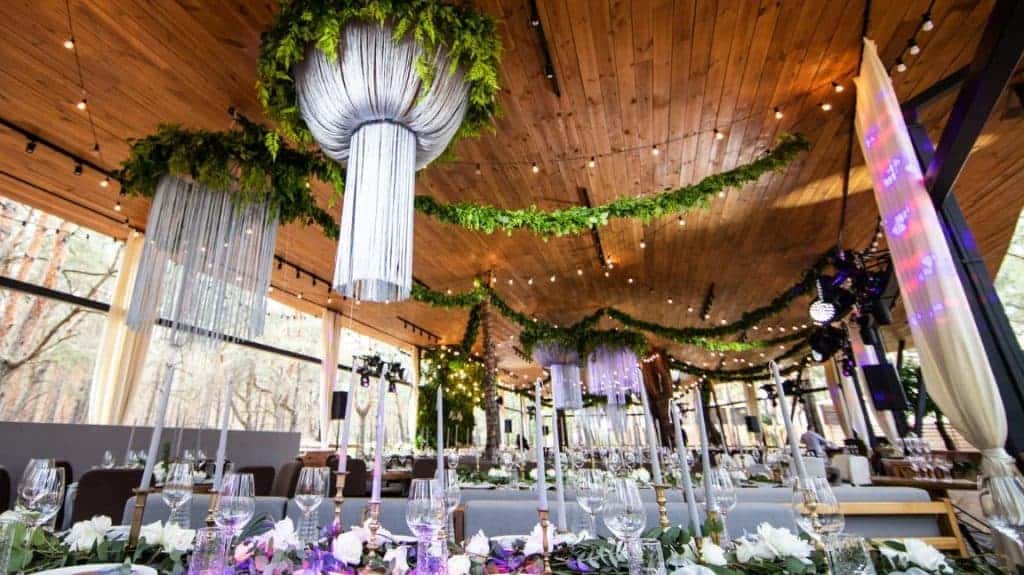
- Luxury weddings: a single wedding day might include a ceremony in a historical chapel, a garden cocktail hour and a black-tie reception in a glass tent built on private grounds. It’s the job of wedding planners and their dedicated team to ensure that every transition feels seamless and every space reflects the couple’s personality. Many luxury weddings unfold over multiple days, with each event requiring its own distinct creative concept.
- Brand launches and fashion shows: for high-end brands, image is everything. These event types often involve tight timelines and high visibility. The goal is to create immersive experiences that not only represent the brand but also go viral. Top event planning companies know how to balance creative risk with logistical control, making sure everything from lighting to VIP access runs like clockwork
- Private milestone celebrations: ultra-high-net-worth individuals seek extraordinary experiences for significant life moments such as milestone birthdays or anniversaries. These private events are deeply personal but often on a grand scale. They may require flying in chefs, securing private villas or transforming an entire island. Success isn’t measured by opulence, but by crafting truly memorable experiences for guests who’ve seen it all
- Non-profit events and fundraisers: purpose-driven yet luxurious events are designed to inspire substantial giving. Sophisticated in execution, they must create environments worthy of premium ticket prices while maintaining focus on the charitable mission. Success is measured by guest experience and fundraising totals, which often reach into the millions for high-impact causes
To deliver on this level, planners can’t rely on creativity alone. They need financial fluency, cultural awareness and strong operations training. That’s why many professionals start with a solid foundation in the hospitality business, along with formal hospitality degrees that cover service culture and operational strategy.

Behind the scenes: skills and tools of elite event planners
Creating seemingly effortless luxury experiences requires mastery of numerous creative and technical skills. Here's what's required:
Project management, vendor negotiation and creative direction
The basis of successful luxury event planning consists of exceptional project management capabilities. Elite planners coordinate intricate production timelines with numerous dependencies, often managing 20-30 specialized vendors for a single event. This complex orchestration requires systematic organization and adaptive thinking to maintain control while responding to inevitable last-minute changes and challenges.
Vendor relationships are also an important part of the mix and are essential elements of any event planner's toolkit. The most successful professionals curate networks of exceptional partners, such as:
- Renowned floral designers who create custom installations
- Lighting specialists who transform ordinary spaces
- Celebrated chefs who develop personalized menus
- Entertainment providers who create memorable performances
These relationships develop over years of collaboration, with planners carefully vetting partners based on reliability, creativity and service standards before incorporating them into their trusted networks.
Creative direction skills complete this professional trinity, enabling planners to develop cohesive event concepts that tell compelling stories through every sensory touchpoint.
Where project management provides structure and vendor relationships provide resources, creative direction supplies the unifying vision.
Top event planners create design styles that bring together everything—from invitations and flowers to lighting, music, and even custom scents—to create an experience that appeals to all the senses and truly reflects the client’s personality.
Understanding luxury client expectations and managing VIP guest experiences
Working with elite clientele builds naturally on these foundational skills but adds psychological insight to technical expertise. Luxury planners must navigate relationships with demanding clients while maintaining creative integrity, translating abstract desires into concrete design elements and providing confident guidance through high-stakes decisions.
This balance of a service mindset and professional authority establishes trust, allowing planners to guide clients toward the best choices.
This client relationship expertise extends to VIP guest management, where specialized protocols for privacy, security and personalized attention help planners create exceptional experiences.
The best develop discreet arrival and departure procedures, create custom amenity programs based on individual preferences and coordinate personal staff, including security teams and private assistants.
These operational systems support the planners' ultimate goal: anticipating needs before they're expressed and making guests feel looked after throughout the event.
Technical tools used in luxury event production
Underpinning client management and creative execution are the following sophisticated technologies elite planners deploy throughout the process:
- Visual design software: autoCAD and SketchUp for detailed floor plans and 3D renderings
- Virtual reality platforms: immersive preview technology for client presentations
- Radio frequency identification (RFID) systems: seamless check-in and personalized guest interactions
- Custom event applications: digital platforms for guest communication
- Project management systems: enterprise-level coordination tools for production teams
- Customer relationship management (CRM) platforms: sophisticated databases tracking guest preferences and history
These digital tools amplify rather than replace human creativity, allowing planners to visualize concepts, communicate ideas and manage information more effectively, all while maintaining focus on the emotional impact of the event experience.
Importance of hospitality internships and practical learning
The integration of professional skills with technological tools typically begins with formal education but develops further through hospitality internships that provide hands-on experience of luxury service standards.
These allow emerging professionals to experience established systems while participating in real-world event execution, connecting theoretical knowledge with practical application.
This type of practical learning continues in early career jobs. Many top luxury event planners believe that working in high-end hotel event departments is one of the best ways to train.
It exposes beginners to established standards, diverse event types and international clientele while providing structured mentorship from experienced professionals who can guide development across all essential skill areas.
The link between business management hospitality and success
As careers progress from execution to leadership roles, the connection between hospitality business training and event planning excellence becomes increasingly apparent.
Hospitality education provides crucial foundations in service philosophy, operational management and financial strategy, which are all directly relevant to luxury event planning and company management.
Understanding the business aspects of hospitality enables planners to balance creative vision with commercial viability. This includes key competencies such as:
- Budget management and financial forecasting
- Resource allocation and staff scheduling
- Vendor contract negotiation and management
- Client relationship development and retention
- Pricing strategy and profit margin management
Business acumen can transform creative talent into sustainable career success, proving essential when managing substantial event budgets, developing pricing models that ensure profitability and building planning companies that can thrive across economic cycles.
Despite technological advances and business considerations, the human element remains central to this work. The most successful luxury event planners integrate operational efficiency with personal attention, understanding that, while systems can manage logistics, only human creativity, intuition and genuine care can craft the experiences that define truly exceptional events.
Real-world examples: events that made headlines
Luxury event planning is about flawless execution and creating moments that feel once-in-a-lifetime. The following high-profile examples show how creativity, exclusivity and service come together in the real world:
- Jeff Bezos’s Venice wedding captured global headlines for more than the guest list. The event involved booking out entire luxury hotels and coordinating water transport across the city’s canals for dozens of VIPs. The logistics behind this private celebration showed how luxury event planners deliver seamless, high-end service under public scrutiny
- in Paris, the Louis Vuitton Men’s Fall-Winter Show transformed the historic Pont Neuf into an exclusive catwalk. The experience combined fashion, architecture and entertainment in a single evening. Behind the glamour was a team of planners managing crowd control, catering and branding, all while keeping the guest experience at the center
Why luxury event planning needs hospitality expertise
In this feature from the Why I chose Glion series, alumni share how hospitality education shaped their ability to deliver events at the highest level.
One graduate, now working with a luxury fashion brand, credits her training in operations and service culture for her ability to manage a red-carpet gala during fashion week.
These examples show how a career in luxury event planning requires strategy, taste and precision. They also highlight why so many event professionals begin with hospitality careers and experience rooted in service excellence.
Career outlook: entering the luxury event space
A career in luxury event planning can open doors to working with some of the most prestigious names in hospitality and brand experience—such as Four Seasons, Ritz-Carlton, LVMH and Chanel. With the right education and hands-on exposure, graduates can step into roles that shape unforgettable experiences on a global scale.
Many begin their careers in one of the following positions:
- Event coordinator in five-star hotels: managing high-profile occasions such as destination weddings, brand dinners or executive retreats, often working closely with in-house service and culinary teams
- Event designer at boutique agencies: creating bespoke experiences for ultra-high-net-worth individuals, where personalization and precision are everything
- Experience producer at brand marketing firms: leading immersive activations for luxury brands, blending digital elements with physical environments
Skills luxury event planning employers look for in professionals
Success depends on a mix of creativity and business readiness. Employers are actively looking for professionals with skills in:
- Communication and cultural fluency: working with diverse, often international clients and guests
- Trend forecasting and digital marketing: designing experiences that feel timely, relevant and shareable on social media
- Creative development and client service: turning abstract visions into polished events that live up to luxury standards
Internships provide a critical entry point. They offer practical insight into what premium execution looks like and allow students to build confidence in fast-moving environments. At Glion, hospitality internships help students make industry connections while gaining experience with global hospitality brands and creative teams.
To stand out, candidates also need strong visual portfolios. Recruiters want to see:
- Original concepts and event mockups
- Proof of collaboration and vendor coordination
- Photos or feedback from real events you helped deliver
Luxury event planning is a competitive field, but it offers a clear and rewarding career path for those with the right mix of creativity, professionalism and training.
Photo Credits:
Main Image - gettyimages Credit: Serhii Mazur