Visit Tokyo and you can be sure that all your senses will be engaged. From the intensity of Shibuya’s neon-lit streets to the stillness of cherry blossom season in Ueno Park, the city offers contrast at every turn.
Yet beyond its famous energy lies a quieter Tokyo, one defined by precision, restraint and intention. It is here, in the serene ward of Uehara, that Tudore Tranquility can be found.
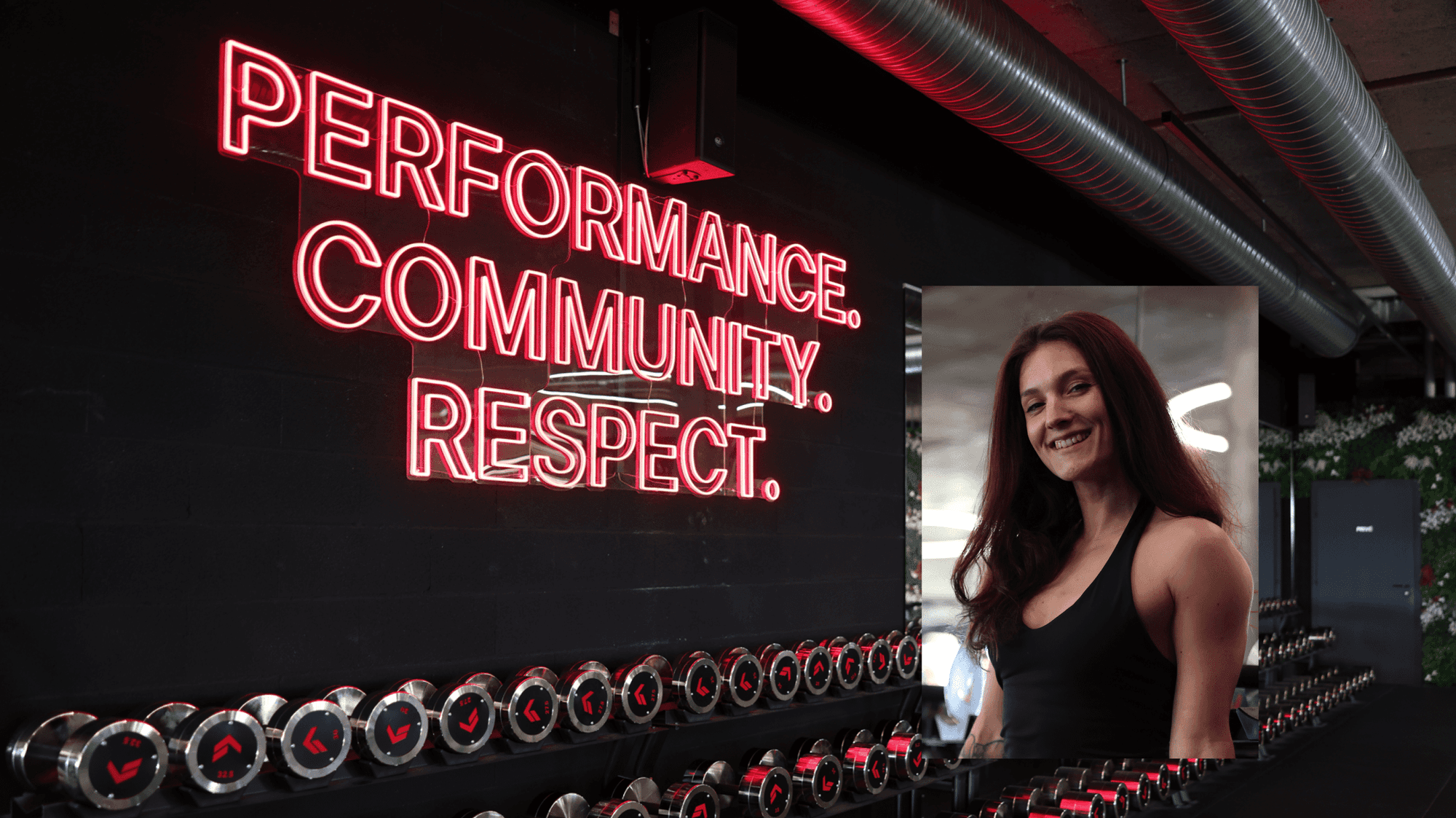
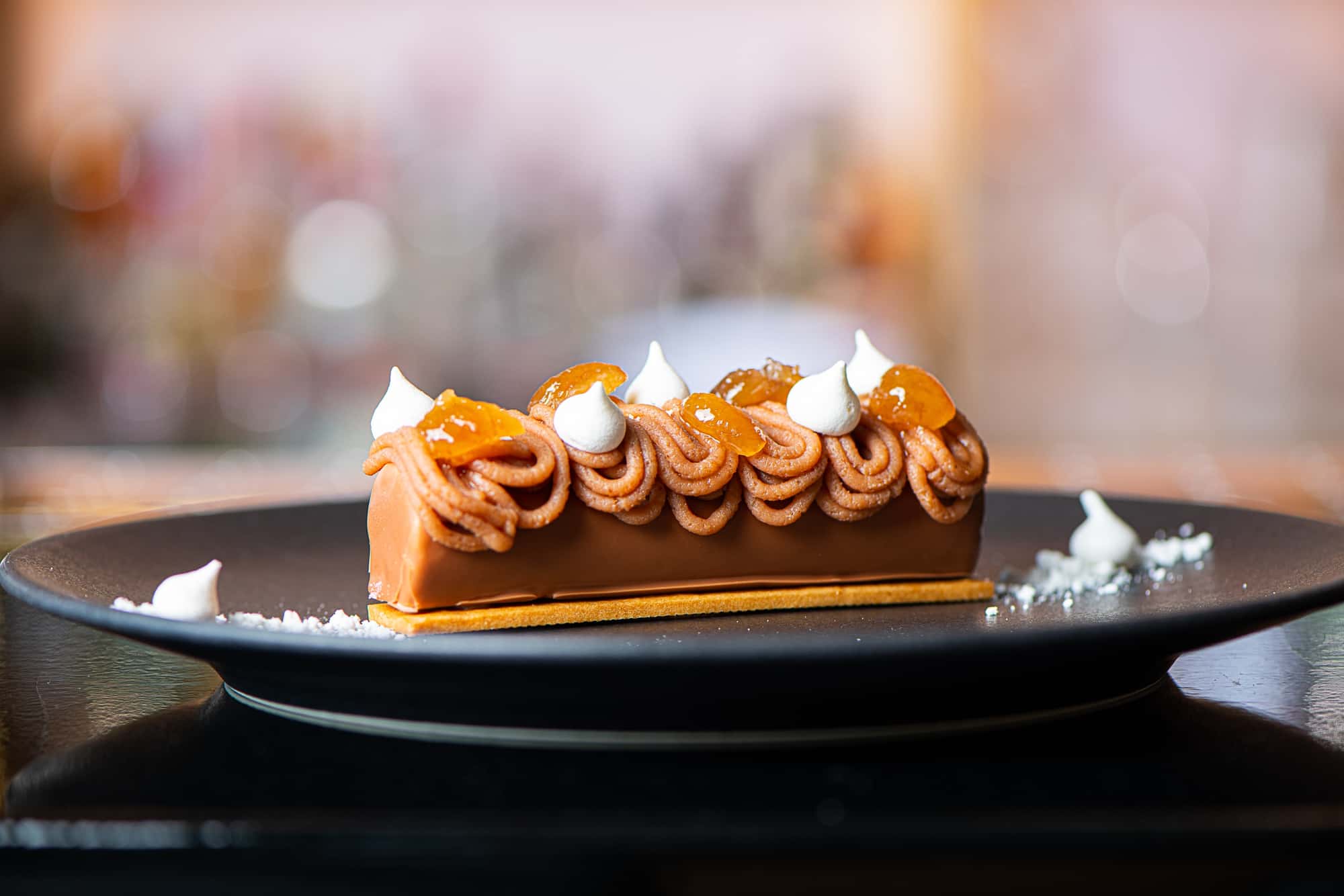
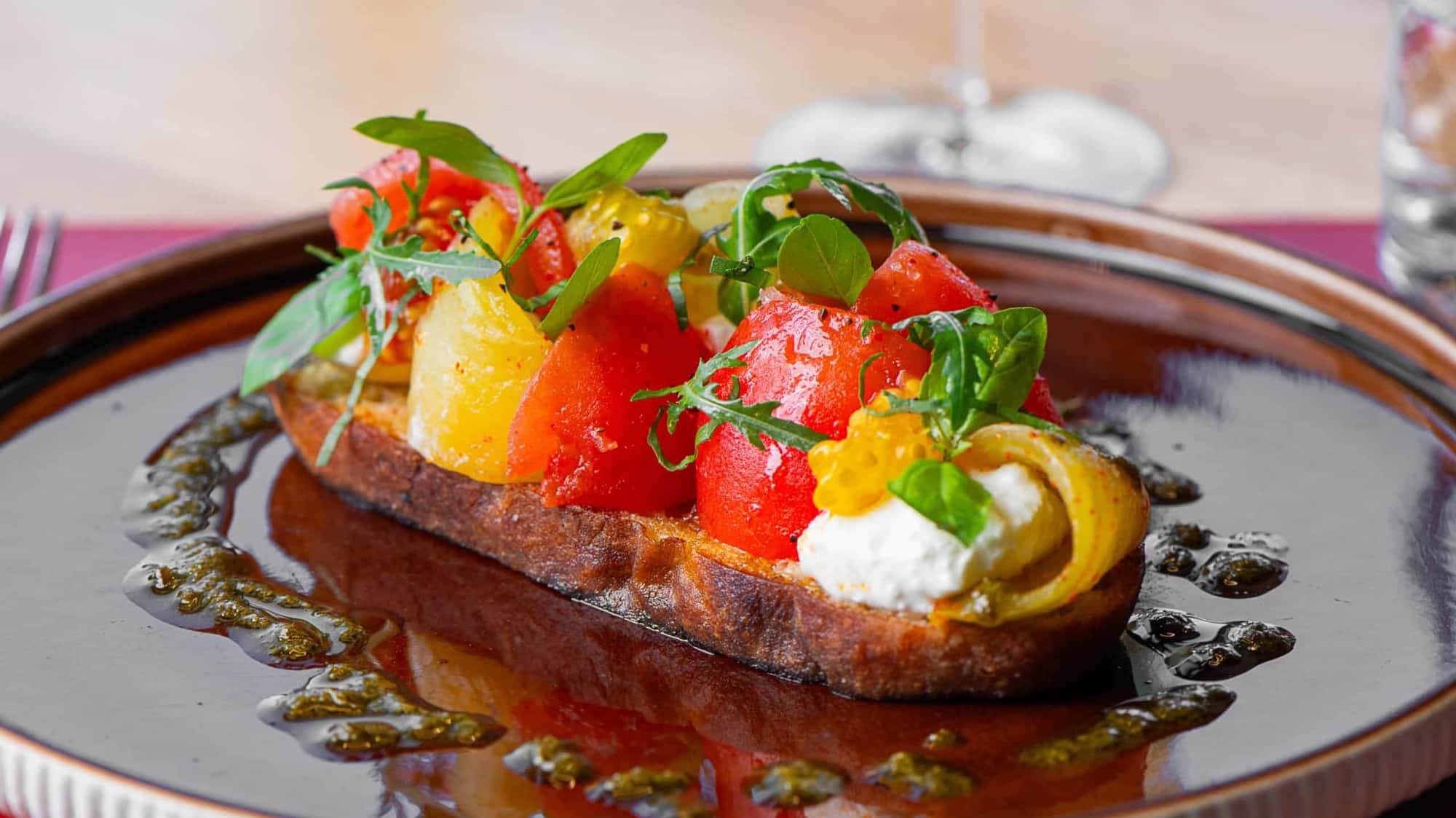
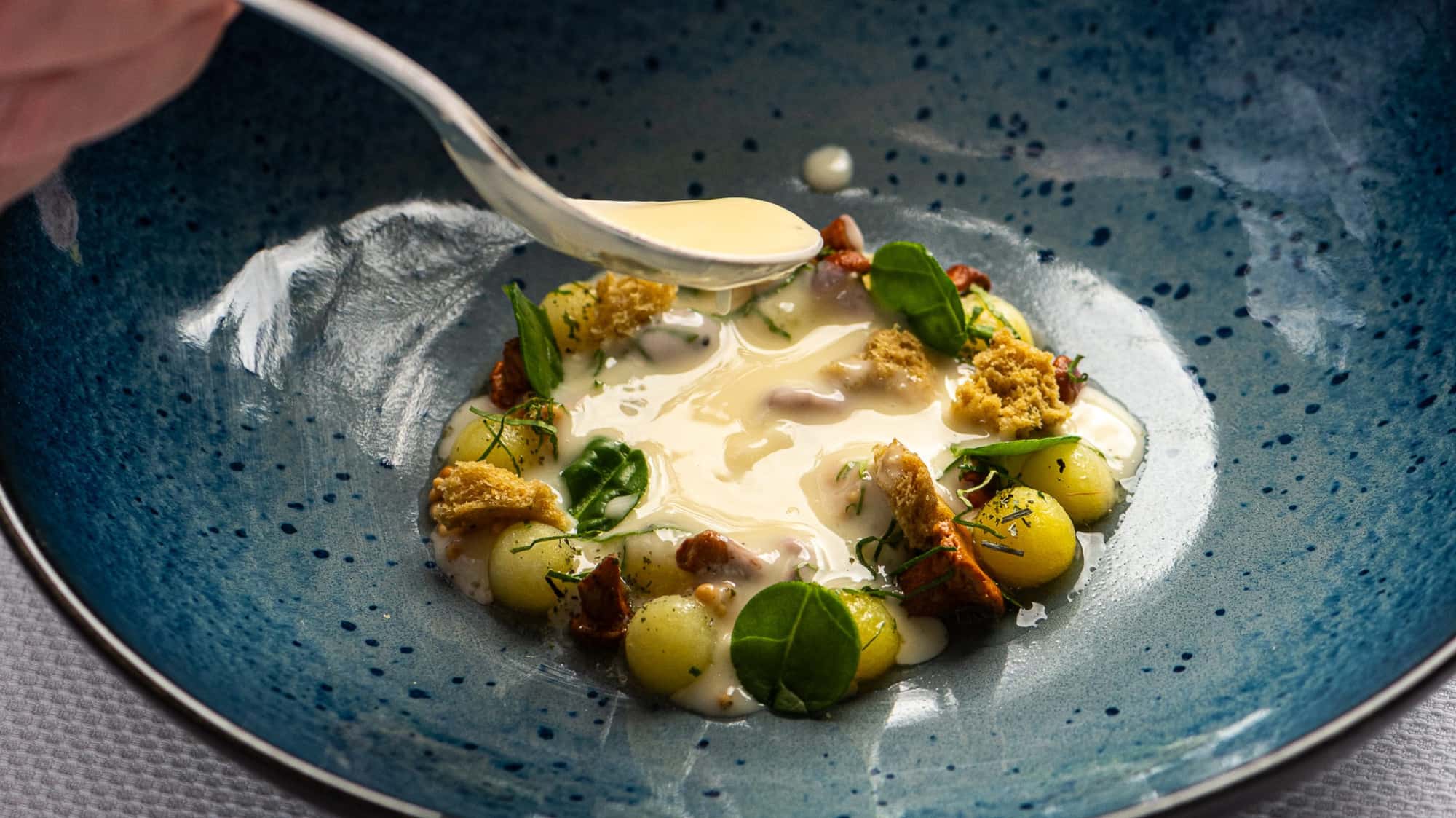
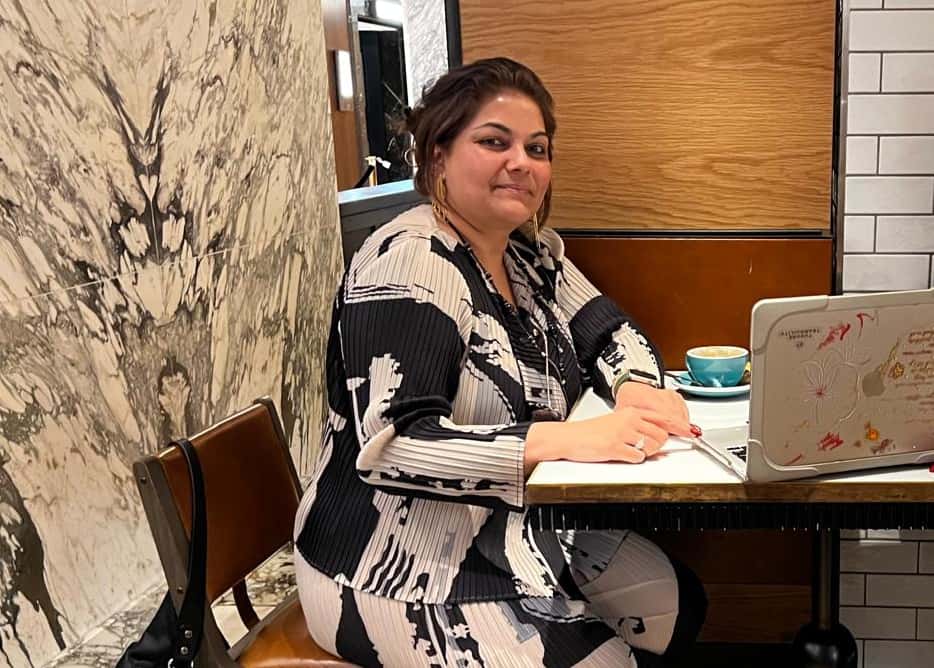
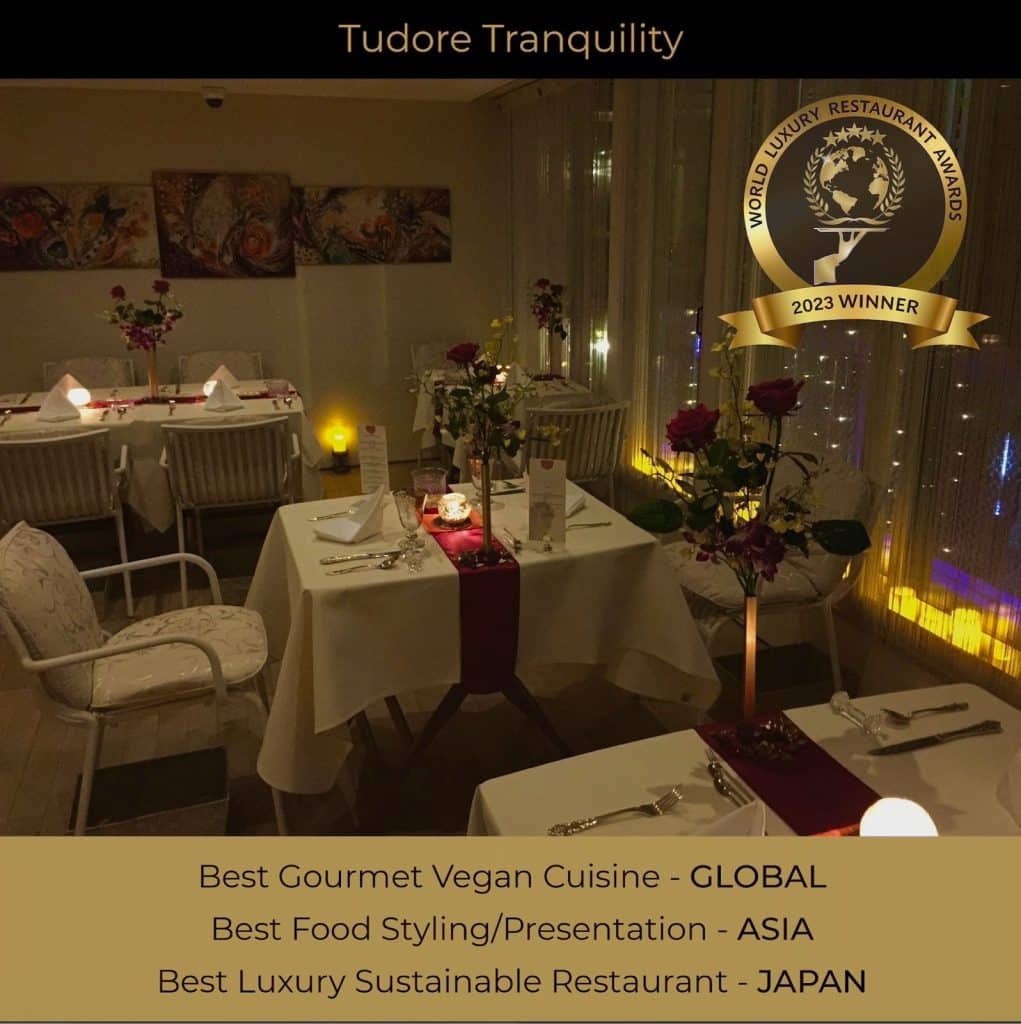
A multiple award-winning plant-based fine dining restaurant, Tudore Tranquility is far more than a culinary concept. Founded by Mamta Reid, an entrepreneur born in southern Africa, it is a considered and carefully constructed answer to a gap she identified in Tokyo’s restaurant landscape: the absence of plant-based cuisine positioned firmly within the luxury tier.
“I was very clear that this wasn’t going to be a café. I wanted to move away from the idea that vegan food is casual or limited. For me, it’s a complete cuisine, and I wanted to present it that way from the beginning.”
From instinct to enterprise
Mamta’s journey into hospitality did not begin with a formal business plan. It began, as many of the best entrepreneurial stories do, with a response to a genuine need.
After the birth of her first son, she chose to step back from professional life and focus on family. Home cooking became both an outlet and an exploration, a way of bringing nutritional care and variety to mealtimes. What she did not anticipate was the reaction it would generate.
“Someone asked whether I had thought of selling the food I was making. And honestly, I hadn’t. But I started preparing lunchboxes for friends, and that evolved into catering for the expatriate community in Tokyo, and from there into corporate bookings.”
What followed was a clear demonstration of entrepreneurial instinct. Mamta recognized that she had tapped into a growing market and, rather than allowing the business to remain informal, made a deliberate decision to put it on a sounder commercial footing.
“At a certain point I made a choice to treat it as a real business, and that changed everything.”
As enquiries for a permanent restaurant space increased, Mamta took the plunge and opened Tudore Tranquility; not as a casual dining offer, but as a serious, 10-seat luxury-positioned restaurant with a defined philosophy.
Luxury, redefined
Two principles sit at the heart of Tudore Tranquility: sustainability and emotional resonance. For Mamta, emotional resonance means creating an experience that guests carry with them, one built on care, intention and the feeling of being genuinely seen.
The timing of the restaurant’s launch coincided with the publication of the United Nations Sustainable Development Goals in 2015, which provided a framework that closely mirrored her own thinking.
“In a restaurant, sustainability becomes very practical. It’s about how you source ingredients, how you design menus, and how you manage waste. But it also extends to how the entire system operates day to day.”
For Mamta, the concept of luxury required careful reframing.
“Luxury today is not about excess. It’s about precision. It’s about creating something that feels considered and effortless for the guest. In a smaller restaurant, there is nowhere to hide. Every detail matters, and every decision is felt directly.”
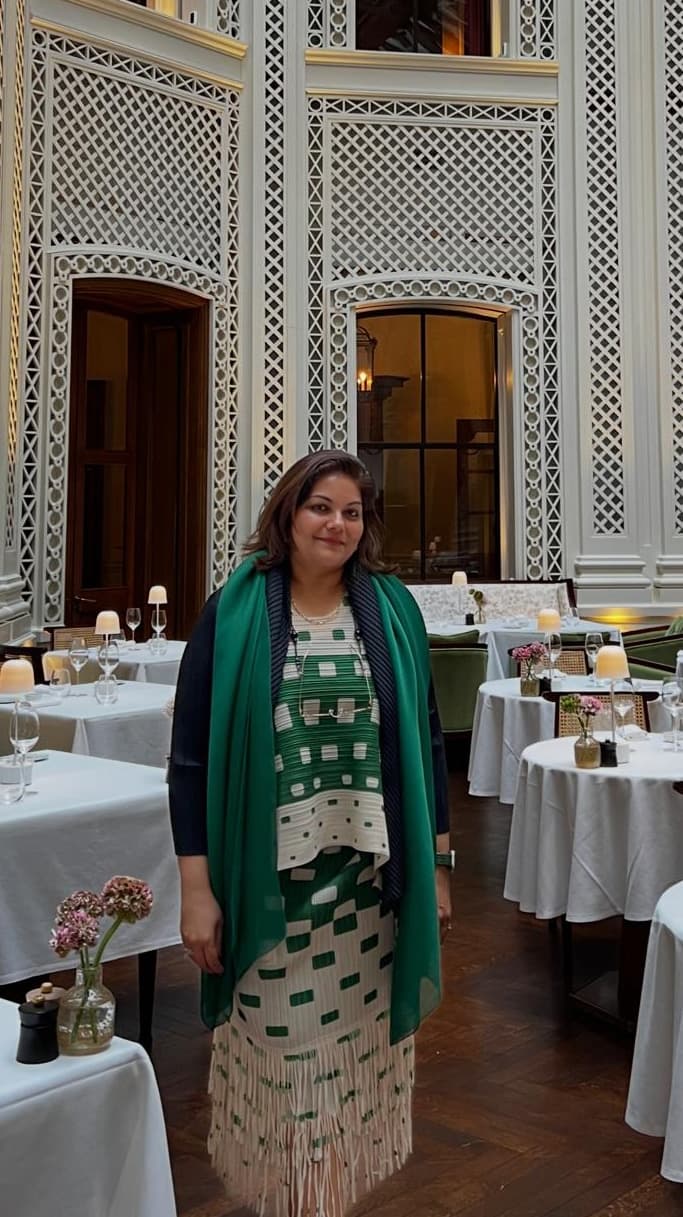
Her expertise now sits firmly within this specific category: small, luxury environments where the relationship between design, service, sourcing, and experience is tightly integrated.
The analytical entrepreneur
What distinguishes Mamta as an entrepreneur is not only her instinct, but the rigor with which she has developed her craft.
Largely self-taught as a chef, she approached food the way a scientist might, studying the underlying principles of ingredients through the work of food scientist Harold McGee, while simultaneously building an intuitive understanding of how flavors interact.
“I think in flavor before I design an 8-course menu. Often I have a clear sense of how something will come together, and then it’s about refining it.”
She also extended her learning in less conventional directions. Not consuming meat herself, she used observation and research as tools for understanding flavor more broadly, including spending significant time studying the work of Anthony Bourdain as a way of understanding how people engage with and describe animal-based food.
“It helped me understand flavor from the outside in. And that perspective has been genuinely useful.”
Mastering her topic
With the restaurant well established and its reputation steadily growing, Mamta recognized a gap in her own approach. Her decision-making had been effective, but largely instinctive. She wanted more.
“I had built and operated a successful business, but I felt there was a gap between what I was doing intuitively and how luxury systems actually function at scale. I wanted language, structure, and theory, not simply to validate what I was already doing, but to interrogate it.”
This led her to enroll in the Executive Master’s in Luxury Management and Guest Experience at Glion. What she found went well beyond expectation.
“The program was rigorous and wide-ranging, moving between strategy execution, corporate finance, sustainability, talent development, digital transformation, blockchain technology, and human behavior. Not as isolated topics, but as interconnected systems. Each subject built on the last.”
Crucially, she was able to use her own restaurant as a living laboratory throughout, testing ideas in real time and grounding decisions in theory rather than instinct alone. This was the Executive Master’s at its most powerful: academic rigor meeting live operational reality.
A defining aspect of the experience was the caliber of the faculty, academically rigorous yet deeply connected to real-world practice, they brought energy, depth, and genuine engagement to every session.
“They were exceptional. I found curiosity and a real commitment to engaging with us as practitioners, not just as students. Subjects I might once have approached with caution became areas I actively wanted to explore further, simply because of how they were taught.”
The program also introduced powerful theoretical frameworks that reshaped her thinking. Manfred Max-Neef’s work on fundamental human needs broadened her view of experience design well beyond the guest. Jean-Noël Kapferer’s framework on luxury challenged her assumptions around growth, coherence, and long-term value.
“These weren’t abstract ideas. They became practical tools for thinking differently about services, products and people.”
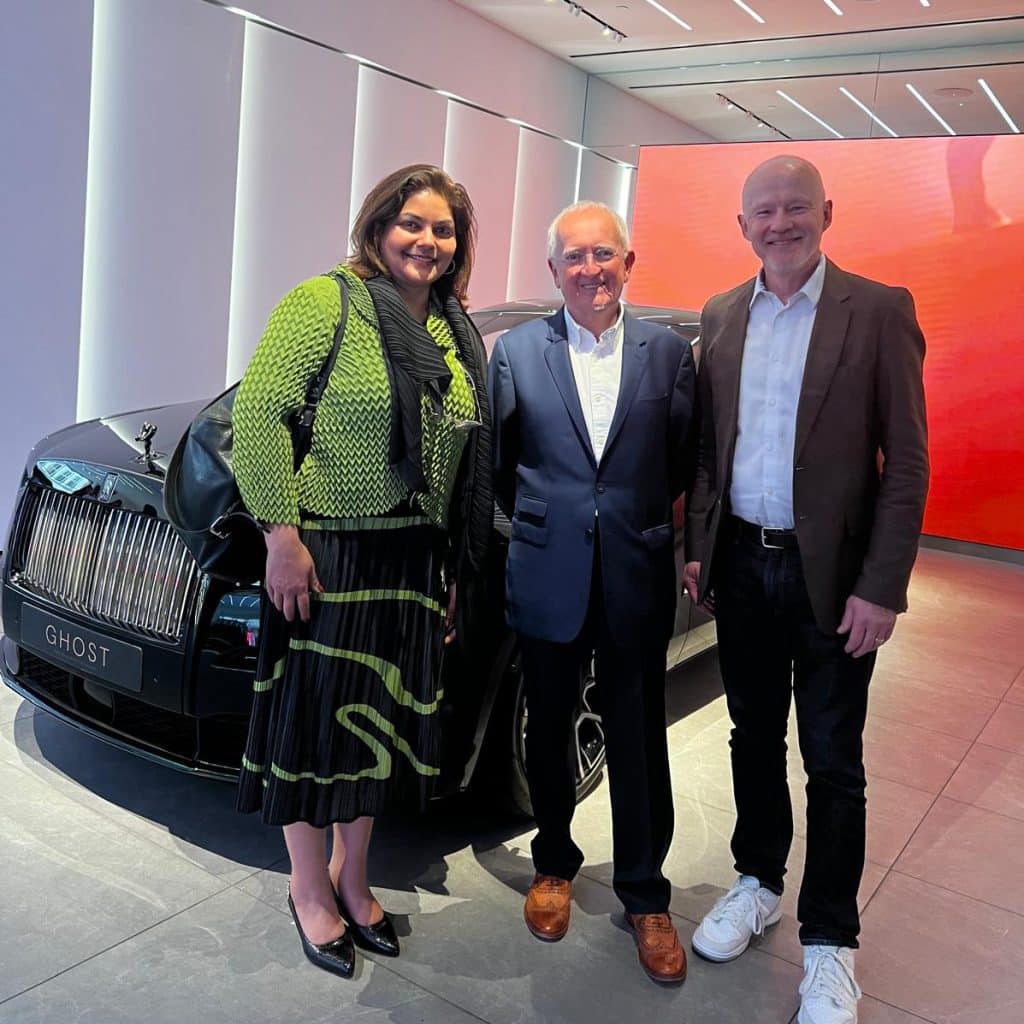
Residential weeks in Switzerland and the United Kingdom brought further insight. Visits to Rolls-Royce (see image above) and behind the scenes at Harrods, including time with the store’s Managing Director, Michael Ward, reinforced a central truth about what luxury really means.
“What stood out was that true luxury is not about product alone. It’s about how people feel, and how carefully that feeling is constructed.”
A word to future students
For those considering the Executive Master’s, Mamta’s message is simple.
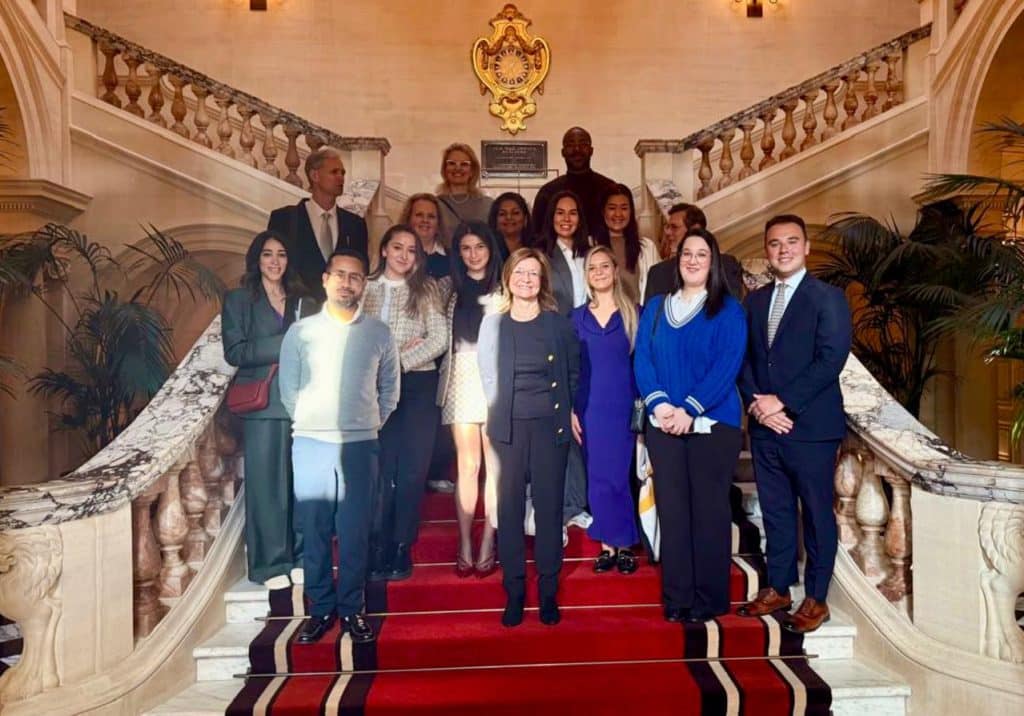
“One thing I would gently say to anyone starting the program: try not to let the assignments pile up. I know how easy it is to push things back when life is full, and for most of us on this kind of program, life is very full. But the structure is genuinely part of the value. When you treat each deadline the way you would a commitment to a client, something shifts.”
Care as strategy
For her Master’s thesis, Mamta returned to the theme of sustainability, this time from a human perspective.
Her research examined staff retention within Japan’s luxury restaurant sector, exploring how prestige and professional identity can act as both a motivator and a masking mechanism for deeper unmet needs.
“In hospitality, we rely entirely on people to deliver care. But if those people are overworked or depleted, that care becomes impossible to sustain. The guest experience is only ever as strong as the environment supporting the team behind it.”
The findings challenged a comfortable industry assumption: that prestige alone is sufficient motivation. In reality, she found, it can obscure genuine needs around rest, autonomy, and long-term well-being, with direct consequences for service quality and retention.
“If we want consistent, high-quality service, we have to look honestly at the system behind it. That’s not a soft consideration. It’s a strategic one.”
Looking ahead
As plant-based cuisine continues to develop in Japan, Mamta is extending her work well beyond the restaurant. Her catering offer now focuses on curated private dining experiences, bringing the Tudore Tranquility concept into homes, offices, and private venues, complete with the same standard of service and atmosphere.
She is also increasingly engaged in consulting and speaking, contributing to wider conversations about the future of plant-based hospitality and the design of genuinely sustainable working environments.
“My expertise is in small luxury restaurants. The challenge, and the opportunity, is to create something refined and genuinely memorable, while ensuring it is sustainable for everyone involved: guests, team, and the wider world.”
For Mamta, the Executive Master’s has marked not simply a qualification, but an inflection point in her career.
“It gave me clarity. Not just about what I do, but about why it matters, and where I want to contribute next. Graduating from Glion at this stage felt less like a starting point and more like an integration point – the moment where experience, theory, and values finally came together.”
• To discover more about Tudore Tranquility, visit the website
Build a leadership career in luxury
The Executive Master’s in Luxury Management and Guest Experience from Glion offers flexible, self-paced study that allows you to sharpen your luxury business knowledge without giving up your current role.