
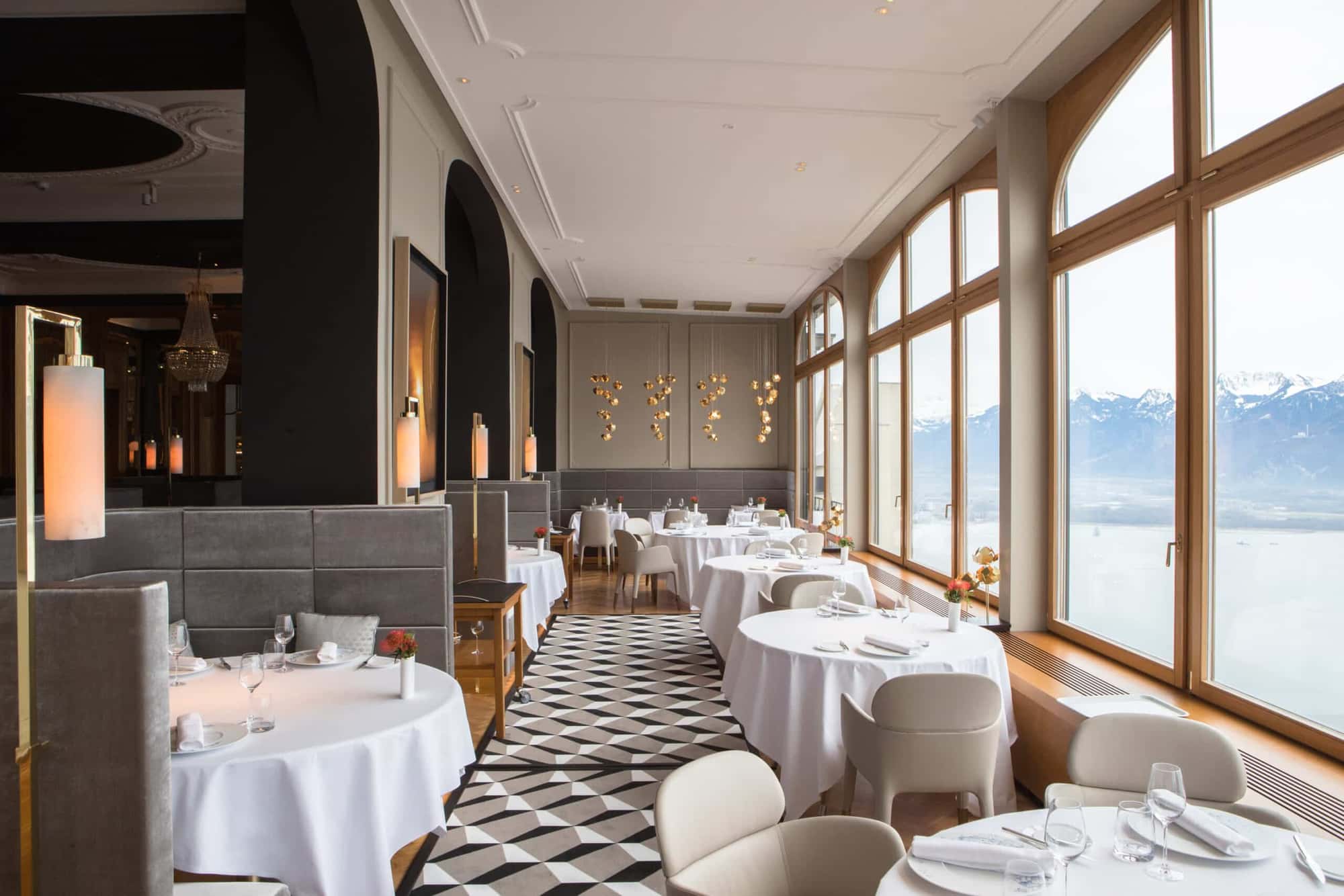
Learn about the extraordinary diverse range of career paths available to hospitality management graduates, together with tips and advice to keep your career journey successful and rewarding.

We do not have space to list every career avenue in the hospitality sector and beyond. Here, though, is a small representative sample, which is split functionally and by specialization.
A specialized program designed to equip you with the financial expertise and industry insights needed to excel in hotel real estate investment and development. Gain practical skills, connect with industry leaders, and open doors to exciting global opportunities.
Mastering the essential skills is paramount if you want a role in this field. From impeccable customer service to efficient management, these key competencies lay the foundation for great careers in this hospitality industry.
Here are some of the key attributes that will help you to build a successful career in the hospitality business.
If you are responsible for a team, it will function more effectively if you ensure the lines of communication are clear and that the messages you give are concise and engaging. The same is true of customer communications, which must be friendly and adopt a tone that is appropriate to your establishment’s brand values and positioning.
The hospitality industry is a very practical and operational environment, with many moving parts. The more experience you have of how those parts move, the more effective a leader you will be. Your hospitality business education should include practical hospitality plus a strong element of business and operational theory.
Great hospitality experiences are built on a mastery of the details, so your mindset should be that nothing is “too small” to make a difference. It is a similar story with financial performance – can you spot some detail in the numbers that could lead to a new service or innovation which will drive performance?
The hospitality sector is evolving rapidly, with new digital platforms revolutionizing the way brands can engage with – and expand – their customer base. Technology is also evolving the experience within the hotel, as well as in areas such as revenue management and sustainability/waste reduction.
Get Insights on the latest industry trends, career development advice, and program releases from one of the world’s leading hospitality schools.
The hospitality industry is known for its fast-paced and ever-changing environment. Being able to adapt to new situations, unexpected challenges, and shifting priorities is essential for success in this field.
Providing exceptional customer service is at the core of careers in hospitality management. Being able to anticipate and meet the needs of guests, resolve issues promptly and courteously, and create memorable experiences is crucial for building customer loyalty and satisfaction.
Hospitality professionals often juggle multiple tasks and responsibilities simultaneously. The ability to prioritize, organize, and manage time effectively is essential for handling the demands of a busy hospitality setting.
Unexpected problems and challenges can arise at any moment in any job in hospitality. Having strong problem-solving skills allows individuals to think quickly on their feet, find creative solutions, and maintain guest satisfaction.

Hospitality professionals often juggle multiple tasks and responsibilities simultaneously. The ability to prioritize, organize, and manage time effectively is essential for handling the demands of a busy hospitality setting.
Hospitality professionals often interact with guests and colleagues from diverse cultural backgrounds. Having cultural awareness and sensitivity allows individuals to navigate differences respectfully and create inclusive environments.
For individuals in managerial or supervisory roles, strong leadership skills are essential for guiding and motivating teams, making strategic decisions, and driving performance. Effective leadership fosters a positive work culture and contributes to organizational success.
Understanding and managing emotions is important in hospitality interactions. Having high emotional intelligence allows individuals to build rapport, resolve conflicts, and handle challenging situations with empathy and tact, when working with co-workers, staff, or customers.
Hospitality careers encompass a wide array of roles within an industry dedicated to providing exceptional experiences for guests. From managing hotel operations to overseeing food and beverage services, hospitality professionals play integral roles in ensuring the smooth functioning of various establishments.
Whether it’s managing a boutique hotel, coordinating events at a luxury resort, or overseeing guest services on a cruise ship, there are plenty of hospitality career pathways that you could consider in our list of careers in hospitality management:
General Manager
This role is vital for overseeing the overall operations and strategic direction of a hospitality establishment, ensuring efficient management of all departments and delivering exceptional guest experiences. General managers can expect to earn around $118,000.
Front Office Manager
Responsible for managing the front desk and guest services, the front office manager ensures smooth check-in/out processes, handles guest inquiries and concerns, and supervises front office staff to maintain high levels of customer satisfaction. The average salary for a front office manager is $70,151.
Food and Beverage Manager
This manager oversees the dining areas, bars, and culinary operations of a hospitality establishment. They manage menu planning, food quality, inventory, and staff training to deliver outstanding dining experiences. The average salary is $82,702.
Executive Chef
At this level, a chef is responsible for the overall culinary operations of a restaurant or hotel, including menu creation, food preparation, kitchen management, and maintaining quality standards. They lead kitchen staff and ensure the efficient operation of the kitchen. An executive chef can expect to earn around $95,054.
Sales and Marketing Manager
This manager is in charge of generating revenue and promoting the establishment. They develop sales strategies, identify target markets, build client relationships, and execute marketing campaigns to attract guests and increase bookings. The salary for a sales and marketing manager is around $137,124.
Housekeeping Manager
In charge of the cleanliness and maintenance of guest rooms and public areas, housekeeping managers are essential. They coordinate housekeeping staff, manage inventory, implement cleaning protocols, and ensure compliance with hygiene standards. You could expect an average salary of $62,601.
Human Resources Manager
Responsible for managing human resources functions, the HR manager handles recruitment, training, employee relations, and compliance with labor laws. They play a vital role in fostering a positive work environment and supporting staff development. HR managers earn an average of $119,700.
Revenue Manager
In this role, you analyze market trends, set pricing strategies, and optimize revenue streams to maximize profitability. They monitor demand, adjust room rates, and utilize data analytics to make informed decisions regarding pricing and inventory management. Revenue managers earn an average of $127,145.
Events Manager
This role is for someone who plans and coordinates various events, such as conferences, weddings, and corporate functions, from inception to execution. They liaise with clients, negotiate contracts, arrange logistics, and ensure events run smoothly and meet client expectations. Events managers can earn roughly $111,710.
Spa Manager
Responsible for the operation and profitability of the spa facility within a hospitality establishment, the spa manager oversees spa services, staff management, budgeting, and guest satisfaction. They create relaxing and rejuvenating experiences for guests while managing spa operations efficiently. Spa managers earn roughly $69,893.
Related
Five reasons why it makes perfect sense to study hospitality management
Revenue management has become a key responsibility, moving from a more fiscal, cost control discipline towards driving the top line revenue. The hotel asset manager has also become a pivotal figure.
Here are some of the finance roles that you might find in hospitality companies. In larger companies you will often find that they have multiple financial career options. Smaller companies might have several of these roles merged into one.
Financial analyst
Assessing the financial performance of companies or investments, financial analysts assess financial data, prepare reports, and offer insights to guide decision-making. Their work involves evaluating investment opportunities, monitoring market trends, and assisting in strategic planning processes. Financial analysts can expect to earn around $66,509.
Risk manager
Responsible for identifying, assessing, and mitigating potential risks, risk managers develop strategies and implement controls to safeguard an organization’s financial stability and operational efficiency. They play a crucial role in managing regulatory compliance and protecting assets from financial losses. Risk managers can get a salary of roughly $124,513.
Asset manager
Overseeing the management and performance of investment portfolios, asset managers develop investment strategies, monitor asset allocation, and analyze opportunities to optimize returns and minimize risks across various asset classes, such as stocks, bonds, or real estate. Asset managers earn roughly $128,206.
Revenue manager
Specializing in revenue optimization, revenue managers analyze revenue streams, devise pricing strategies, and manage room occupancy or inventory to maximize profitability. They utilize data analysis and forecasting techniques to set prices, control costs, and enhance revenue generation in sectors like hospitality, retail, or travel. Revenue managers get roughly $127,145.
Financial controller
Responsible for overseeing accounting and financial reporting functions, financial controllers ensure the accuracy and integrity of financial statements, budgets, and audits. They also oversee compliance with regulatory requirements and provide financial insights to support decision-making processes. A financial controller can earn around $252,865.
Treasury manager
Handling cash flow, liquidity, and financial assets, treasury managers optimize financial performance and mitigate risks. They oversee banking relationships, manage debt and investments, and develop strategies for cash management, foreign exchange, and capital structure. This role can earn roughly $132,186.
Credit analyst
Assessing the creditworthiness of individuals or businesses, credit analysts look at financial statements, evaluate credit risks, and make recommendations for loan approvals or terms. They play a vital role in managing credit portfolios and ensuring prudent lending practices. As a credit analyst, you could earn around $69,083.
Financial planner
Helping hospitality companies meet their financial goals, financial planners offer advice on budgeting, investing, cashflow, and how to ensure financial stability. Financial planners earn an average of $136,520.
The luxury sector operates to its own codes, and to enter this world it pays to learn some of those codes, ideally by studying a specialized Master’s degree or by making luxury the focus of your Bachelor’s specialization or ‘major’. Within luxury management, there are a lot of different roles you could look at.
Brand Manager
Leading the strategic direction of luxury brands, this role is where they develop and maintain brand identity, positioning, and messaging to ensure alignment with the target market’s preferences and aspirations. They oversee marketing campaigns, collaborate with creative teams, and analyze market trends to enhance brand equity and drive growth. Brand managers earn roughly $132,732.
Sales manager
In luxury management, sales managers oversee sales teams and develop strategies to drive revenue and increase market share for high-end products or services. They cultivate relationships with affluent clients, identify sales opportunities, and implement sales techniques to meet and exceed targets while maintaining brand exclusivity and prestige. Sales managers can expect to earn around $135,863.
Retail manager
Managing luxury retail operations, retail managers ensure exceptional customer experiences and uphold brand standards within exclusive boutiques or flagship stores. They oversee inventory management, merchandising strategies, and staff training to create an immersive and personalized shopping environment that resonates with affluent clientele. Retail managers earn roughly $78,938.
Public relations manager
Focused on enhancing the reputation and visibility of luxury brands, PR managers develop strategic campaigns, manage media relationships, and coordinate high-profile events to cultivate a positive brand image and generate buzz within elite circles. They leverage storytelling and media opportunities to position luxury brands as aspirational and desirable. PR managers can earn around $121,900.
Event planner
Specializing in luxury events, event planners conceptualize and execute exclusive gatherings, galas, and product launches tailored to affluent clientele. They coordinate every detail, from venue selection and vendor management to guest experiences, ensuring flawless execution and creating memorable moments that reflect the sophistication and elegance of luxury brands. The average salary for an event planner is $63,154.
E-commerce manager
Leading luxury e-commerce initiatives, e-commerce managers develop and execute digital strategies to drive online sales and enhance brand presence in the digital sphere. They oversee website development, optimize user experience, and execute targeted digital marketing campaigns to engage affluent consumers and elevate the online shopping experience for luxury products. As a rough guide, salaries for e-commerce managers are around $116,841.
Operations manager
Overseeing the operational aspects of luxury establishments, operations managers ensure seamless workflows, exceptional service delivery, and adherence to brand standards. They optimize processes, manage resources, and implement quality control measures to uphold the exclusivity and prestige associated with luxury management. The average salary is $120,917.
Luxury travel consultant
Catering to discerning travelers, consultants curate bespoke travel experiences, including private tours, luxury accommodations, and exclusive amenities tailored to individual preferences and desires. They leverage their expertise, industry connections, and attention to detail to create unforgettable journeys that epitomize luxury and sophistication. Luxury travel consultants earn roughly $42,848.
Customer relationship manager
Focused on fostering long-term relationships with high-net-worth clients, customer relationship managers provide personalized service, anticipate needs, and exceed expectations to enhance customer satisfaction and loyalty. They act as brand ambassadors, ensuring that every interaction reflects the values and ethos of luxury management while delivering unparalleled levels of service and exclusivity. Customer relationship managers have an average salary of $149,823.
Hospitality degrees provide strong foundations to aspiring entrepreneurs, with course content such as financial management & accounting, sales & marketing, plus softer skills such as communication, problem-solving and talent management. Entrepreneurs earn, on average, $76,037, but this is highly dependent on your sector, your business idea, and how successful you are. You could earn much more than this with hard work and dedication – there is no limit to how much an entrepreneur can earn.
Technology
This involves developing innovative software solutions, mobile applications, or digital platforms to enhance guest experiences and streamline operational processes within the hospitality industry. These ventures focus on leveraging technology to improve efficiency, increase customer satisfaction, and drive business growth.
E-commerce
This revolves around creating online platforms, marketplaces, or digital storefronts for booking accommodations, selling travel packages, or offering hospitality-related products and services. These ventures cater to the modern consumer’s preference for online booking and purchasing, providing convenient and accessible ways to access hospitality offerings.
Social impact
You can also focus on creating business plans that prioritize sustainability, community engagement, and ethical practices. These initiatives aim to make a positive difference by implementing eco-friendly practices, supporting local communities, and promoting responsible tourism.
Food and beverage
This usually entails establishing restaurants, cafes, bars, or specialty food and beverage businesses. These ventures focus on creating unique dining experiences, offering high-quality cuisine, and catering to specific tastes and preferences of consumers within the hospitality industry.
Fashion and design
There’s also scope for starting a business that focuses on providing stylish and aesthetically pleasing experiences within hospitality establishments. These ventures may include boutique hotels, themed restaurants, or luxury resorts that prioritize design elements and ambiance to enhance guest experiences.
Tourism and hospitality
Some people focus on creating ventures that cater to travelers’ needs and preferences. These ventures may include tour operators, travel agencies, or accommodation providers that offer unique and memorable experiences to tourists and travelers.
Education and training
This niche within hospitality involves establishing companies that provide educational programs, training courses, or consultancy services for individuals and businesses within the hospitality industry. These initiatives focus on developing skills, enhancing knowledge, and improving practices to meet the evolving needs of the industry.
Health and wellness
You could also focus on creating businesses that prioritize the well-being and relaxation of guests. These ventures may include spas, wellness retreats, or fitness centers within hospitality establishments, offering services and amenities designed to promote physical, mental, and emotional health.
The hospitality business is highly competitive, so all the most important hotels and hotel chains have dedicated sales & marketing teams to attract and retain both individual and corporate clients. There are plenty of roles to consider within sales and marketing.
Example careers in sales & marketing
Sales representative: Navigating client relationships and driving revenue, sales representatives play a pivotal role in the hospitality industry. They engage with potential clients, understand their needs, and articulate the value of hospitality offerings. Through effective communication and negotiation, they secure deals and contribute to the growth of the business. The average salary is around $37,522.
Marketing specialist
Crafting strategies to elevate brand visibility and attract customers, marketing specialists are essential in shaping the hospitality landscape. They conduct market research, identify target demographics, and develop tailored campaigns to engage audiences. Their creative approach and strategic insights drive brand recognition and customer acquisition. Marketing specialists earn roughly $78,609.
Advertising coordinator
Steering the course of promotional endeavors, advertising coordinators orchestrate compelling campaigns to capture audience attention. Collaborating with creative teams and media partners, they ensure that marketing messages are effectively conveyed across various platforms. Their meticulous planning and execution enhance brand awareness and drive engagement. You could expect a salary of around $62,830.
Digital marketing manager
Harnessing the digital realm to amplify brand presence, digital marketing managers lead online initiatives in the hospitality sector. They oversee website optimization, manage social media channels, and execute targeted advertising campaigns. By leveraging data-driven insights, they optimize digital strategies to enhance customer engagement and drive business growth. As a digital marketing manager, you could earn around $124,046.
Public relations manager
Crafting and maintaining a positive brand image, public relations managers are integral to shaping perceptions in the hospitality industry. They cultivate relationships with media outlets, coordinate press releases, and manage crisis communications. Through strategic storytelling and effective communication, they enhance brand reputation and foster trust among stakeholders. PR managers can earn around $121,900.
Sales manager
Guiding sales teams and driving revenue growth, sales managers provide leadership and direction within the hospitality sector. They set sales targets, develop sales strategies, and mentor sales representatives to achieve business objectives. Their strategic approach and motivational leadership drive performance and ensure success in competitive markets. Sales managers can earn around $135,863.
Content writer
Capturing the essence of hospitality experiences through compelling narratives, content writers shape brand storytelling in the industry. They craft engaging content for websites, blogs, and marketing materials to resonate with target audiences. Their creativity and ability to evoke emotion through words elevate brand storytelling and foster connection with customers. Content managers earn roughly $69,957.
Market research analyst
Uncovering insights and trends to inform strategic decisions, market research analysts provide invaluable intelligence within the hospitality sector. They conduct comprehensive research, analyze data, and generate reports to guide marketing and business strategies. Their analytical acumen and strategic thinking empower organizations to stay ahead of market dynamics. Analysts earn roughly $79,439.
Event coordinator
Masterminding memorable experiences and seamless events, event coordinators are instrumental in orchestrating hospitality gatherings. They manage logistics, coordinate vendors, and oversee event execution to ensure flawless operations. Their attention to detail and organizational prowess create immersive experiences that leave a lasting impression on attendees. Event coordinators can expect salaries of around $74,119.
Brand manager
Guardians of brand identity and reputation, brand managers cultivate and safeguard brand equity within the hospitality industry. They develop brand strategies, oversee marketing initiatives, and maintain brand consistency across all touchpoints. Through strategic positioning and brand stewardship, they foster loyalty and affinity among customers. Brand managers can earn around $132,732.
The hotel real estate investment market is huge, providing golden opportunities for individuals who can combine financial knowledge with an appreciation for how hospitality operations work from the inside.
One of the best avenues into the business is
earning a specialized Master’s degree.
The hospitality industry comprises various sectors that cater to different aspects of guest experiences and services. Some of the primary sectors include accommodation (hotels, resorts, hostels), food and beverage (restaurants, cafes, bars), travel and tourism (tour operators, airlines, travel agencies), event planning and management (venues, event agencies), and entertainment (theme parks, casinos, theaters). Each sector offers unique opportunities for employment and career growth within the broader hospitality industry.
Gaining practical experience is crucial for building a successful career in hospitality management. One way to gain experience is through internships. These provide hands-on training and exposure to various aspects of hospitality operations.
Many hospitality management programs offer internship opportunities with hotels, restaurants, event venues, and other hospitality establishments. Additionally, part-time or entry-level positions in hospitality can provide valuable on-the-job experience and insights into the industry. Networking with professionals in the field, attending industry events, and seeking mentorship opportunities are also effective ways to gain practical experience and build connections within the hospitality industry.
With a Masters in digital transformation can open up a wide range of career opportunities in various industries. The degree can be useful in any industry that is undergoing digital disruption and needs help navigating the changing landscape.
A good example is consulting firms that help businesses with strategy, operations, and other aspects of their operations. A Masters in digital transformation can be useful in helping these firms to advise clients on how to navigate the digital landscape.